Key Takeaways
Takeaway 1: Spotted lanternflies feed in large groups on the same tree simultaneously, creating concentrated feeding pressure that weakens even established hardwoods within a single season.
Takeaway 2: Manassas properties with tree of heaven on or near them face significantly higher infestation risk — this invasive tree is the lanternfly’s preferred host and a primary driver of local population growth.
Takeaway 3: Treatment timed to the early nymph stage in spring produces better season-long results than reactive treatment applied after adult populations peak in late summer.
Manassas homeowners have been dealing with spotted lanternfly pressure for several seasons now, and the problem isn’t plateauing — it’s expanding. Each fall, the adult population lays another generation of egg masses on trees, structures, and outdoor surfaces throughout Prince William County, and each spring those eggs hatch into a fresh wave of nymphs ready to begin feeding. If your trees looked worse this past season than the one before, that’s not coincidence. It’s the compounding effect of repeated infestation without adequate treatment.
Understanding what’s actually happening — which insects are involved, how they feed, and why they’re so difficult to control without professional help — is the first step toward protecting what you’ve invested in your property. A qualified spotted lanternfly exterminator Manassas residents can rely on is the second step. This article covers both.
The Role of Tree of Heaven in Manassas Infestations
If you want to understand why spotted lanternfly infestations are so persistent in certain Manassas neighborhoods, you need to understand tree of heaven. This invasive tree species — Ailanthus altissima — is the spotted lanternfly’s preferred host plant and a primary driver of population growth wherever it establishes itself. Tree of heaven is common throughout Prince William County, growing readily along roadsides, fence lines, utility corridors, and in wooded areas bordering residential properties.
Properties that border areas with established tree of heaven stands face significantly higher and more persistent spotted lanternfly pressure than those without it. The trees serve as feeding and breeding hubs that sustain large local populations season after season. Even if you don’t have tree of heaven on your own property, your neighbors may — or it may be growing in the common areas, utility easements, or wooded buffers adjacent to your neighborhood. Eliminating spotted lanternflies from your property is much harder when a high-density population source is within flight range.
How Spotted Lanternflies Feed and Why It’s So Damaging
Spotted lanternflies feed by inserting piercing mouthparts into plant tissue and extracting phloem sap — the nutrient-rich fluid that plants use to transport sugars produced by photosynthesis throughout the organism. This sap is the plant’s primary energy distribution system, and when lanternflies extract it in large quantities, the plant is effectively being drained of the energy it needs to sustain itself.
The damage is compounded by the fact that lanternflies feed in groups. A single tree can have dozens to hundreds of individuals feeding simultaneously, and they don’t restrict themselves to one area of the tree. They feed on trunks, branches, and new growth, which puts stress on multiple systems at once. Trees respond by allocating energy to defense and repair rather than normal growth, which is why heavily infested trees often show reduced canopy density, early leaf drop, and slowed growth even in the same season as the infestation. Repeated infestations without intervention cause cumulative decline that is very difficult to reverse.
Signs Your Manassas Trees Are Being Damaged by Spotted Lanternflies
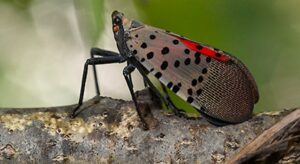
The most visible sign of spotted lanternfly activity is the insects themselves — the red-winged adults are distinctive and hard to miss when they’re present in numbers. But the damage signs that appear even when the insects aren’t immediately visible are equally important to recognize.
Honeydew accumulation on leaves, branches, and surfaces beneath the tree is a reliable indicator of active feeding. This sticky coating often appears before the insects themselves are noticed in large numbers. The subsequent development of sooty mold — a black, dusty-looking fungal growth — on leaves and bark follows shortly after honeydew accumulates. Wilting or yellowing leaves during a period of adequate rainfall suggests the tree’s vascular system is under stress. Any combination of these signs on a spotted lanternfly exterminator consultation call is worth describing in detail so the technician can assess the current stage of infestation and damage.
Why Manassas Homeowners Struggle to Control Spotted Lanternflies Alone
The mobility of spotted lanternflies is the central challenge for homeowners attempting to manage them without professional help. Adults can fly and walk significant distances, and populations on adjacent properties move freely into treated yards. This means that even a thorough DIY treatment on your own property can be completely undone within days by reinfestation from the surrounding area.
Consumer insecticide products also present challenges. Many of the most effective professional-grade materials are not available for retail purchase, and the application methods that produce reliable results — proper dilution, thorough coverage, appropriate timing relative to life stage — require both equipment and training that most homeowners don’t have access to. The result is treatments that produce temporary knockdown but leave the overall infestation intact, leading homeowners to conclude that nothing works when the actual problem is the tools and approach being used.
Professional Treatment for Spotted Lanternflies in Manassas
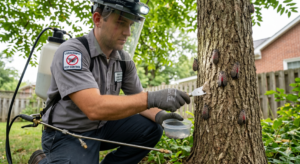
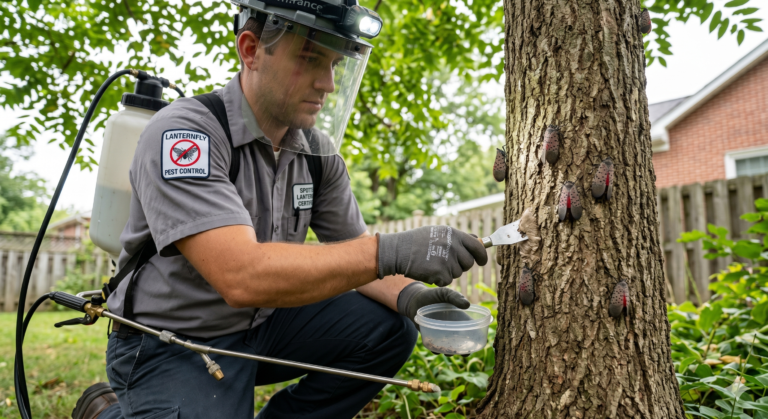
A professional spotted lanternfly exterminator near me working a Manassas property starts by evaluating the infestation’s scope — which trees are affected, where the highest concentrations are, whether egg masses are present, and which neighboring areas may be contributing to reinfestation pressure. This evaluation determines not just what products to use but where to focus treatment for maximum effect.
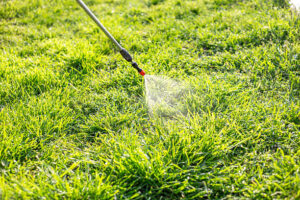
Treatments applied to the lower trunk of highly preferred host trees can be particularly effective because lanternflies aggregate in large numbers on these surfaces. Perimeter treatments reduce the active population moving through the property. In situations where egg masses are present and accessible, physical removal and destruction is incorporated into the service visit. For properties with ongoing high pressure, a seasonal treatment schedule — typically including at least one nymph-stage treatment in spring and one or two adult-stage treatments in late summer and fall — provides substantially better protection than a single annual visit.
Protecting Your Investment in Manassas Trees and Landscaping
Mature trees in Manassas represent years of growth and thousands of dollars in landscape value. Spotted lanternflies threaten that investment in ways that may not be immediately obvious but become increasingly serious with each season of untreated infestation. Protecting your trees isn’t just an aesthetic decision — it’s a financial one that affects your property value, your energy costs from lost shade coverage, and the long-term health of the broader landscape.
Bull Run Turf Care & Pest Control brings the local knowledge and species-specific treatment protocols that Manassas homeowners need to keep their properties protected through the spotted lanternfly season and beyond.
Frequently Asked Questions
Does spotted lanternfly damage permanently kill trees?
Established mature hardwoods rarely die from a single season of spotted lanternfly infestation, but they can sustain cumulative damage that progressively reduces their health and structural integrity over multiple seasons. Younger trees, ornamentals, and fruit trees are at higher risk of severe or fatal damage. Trees that are already stressed from drought, disease, or compacted soil are more vulnerable regardless of size.
Should I remove tree of heaven from my Manassas property?
Tree of heaven removal is generally recommended as part of a long-term spotted lanternfly management strategy, as it eliminates one of the primary host plants that sustains local populations. However, removal should be done carefully and at the right time of year, as improper cutting can cause the tree to resprout aggressively. Consult with a professional before attempting removal of established tree of heaven specimens.
How many treatments per year do I need for spotted lanternflies?
Most properties in active infestation areas benefit from at least two treatment visits per season — one targeting the nymph stage in spring and one targeting adults in late summer or early fall. Properties with heavy pressure, proximity to preferred host trees, or adjacent untreated land may benefit from a third visit during the peak adult feeding period in August and September.
Bull Run Turf Care & Pest Control
4229 Lafayette Center Dr STE 1825, Chantilly, VA 20151, United States
Phone: (571) 430-5697
Website: bullrunturf.com
Instagram: @bullruntrf
Facebook: web.facebook.com/bullrunturf