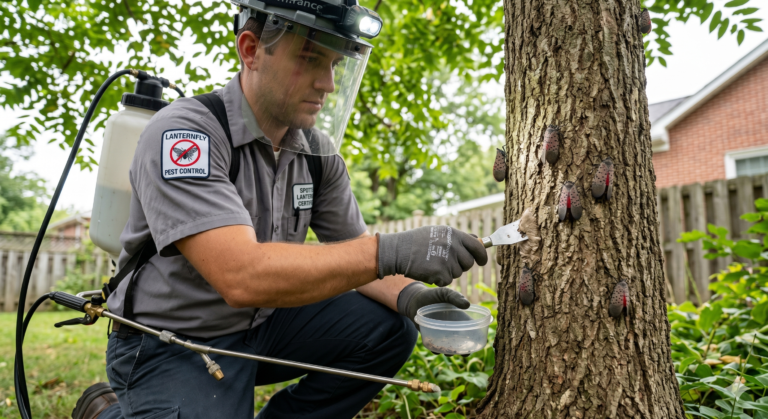
Key Takeaways
Takeaway 1: Spotted lanternflies have no natural predators in Virginia capable of controlling their populations, which means infestations do not decline without active intervention.
Takeaway 2: Gainesville’s rural-residential mix and proximity to forested land creates sustained spotted lanternfly pressure that is more persistent than in more densely developed communities.
Takeaway 3: Spring nymph treatment is the highest-leverage point in the spotted lanternfly season — disrupting the population early prevents the explosive late-summer growth that causes the most visible damage.
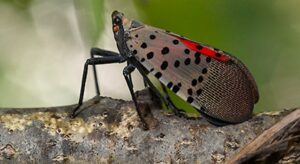
One of the most common misconceptions Gainesville homeowners have about spotted lanternflies is that they’ll move on eventually — that like some pest problems, this one will cycle through and resolve itself over time. It won’t. Spotted lanternflies are an established invasive species with no meaningful natural population controls in Virginia. There are no native predators hunting them in sufficient numbers to reduce infestations. There are no diseases keeping their populations in check. Without intervention, spotted lanternfly populations in a given area don’t decline — they stabilize at high levels or continue to grow as new egg masses are laid each fall.
For Gainesville homeowners, this means that the spotted lanternfly activity you saw last season is a baseline, not a peak. Without treatment, next season will be at least as bad and likely worse. Finding a spotted lanternfly exterminator Gainesville homeowners can count on isn’t a one-time fix — it’s the beginning of an annual management relationship that keeps the problem at controllable levels.
Why Gainesville Is a High-Pressure Environment for Spotted Lanternflies
Gainesville sits at the edge of Prince William County where residential development meets larger agricultural and forested land. This rural-residential interface is particularly challenging from a spotted lanternfly management perspective. Large areas of wooded and agricultural land adjacent to neighborhoods support substantial spotted lanternfly populations that are impossible to treat comprehensively, creating a constant source of reinfestation pressure on residential properties at the boundary.
Properties in Gainesville with tree of heaven nearby — whether on their own land, on neighboring properties, or in wooded common areas — face the most persistent pressure. Tree of heaven grows prolifically in disturbed soils along roads, fence lines, and property edges throughout this part of Prince William County, and wherever it’s established, spotted lanternfly populations tend to be highest. Even properties without tree of heaven on their own land are affected by nearby stands when adult insects disperse to seek additional feeding sites.
The Biology Behind Why They Don’t Just Disappear
To understand why spotted lanternflies don’t self-resolve, it helps to understand their reproductive efficiency. A single female spotted lanternfly produces one egg mass per season, containing 30 to 50 eggs. Those eggs have a survival rate through winter that is substantially higher than most native insect species in this climate. When temperatures warm in spring, the hatch rate of overwintered egg masses is high, and the nymphs that emerge are immediately capable of feeding and developing into the next generation of adults.
There is no winter die-off of the reproductive population the way there is with some invasive insects. The adult population dies with the first hard frost, but the eggs they laid survive. Each spring’s nymph population is derived entirely from the eggs laid the previous fall, meaning the population size entering each new season is directly tied to how many egg masses were successfully laid and survived winter on your property and in the surrounding area. Without egg mass removal and nymph-stage treatment, the cycle repeats at the same or greater scale each year.
The Cost of Waiting: What an Untreated Gainesville Property Looks Like
The first season of significant spotted lanternfly infestation on a Gainesville property typically produces visible but not catastrophic results. Trees drop leaves a bit earlier than usual. There’s a sticky residue on outdoor surfaces. Some ornamental plants look stressed. Homeowners often absorb this first season without treatment, assuming it won’t be as bad next year.
By the second season without treatment, the egg mass population has had a full year to build. The nymph hatch is larger. The adult population that emerges in summer is more numerous. Feeding pressure on host trees is more intense and sustained over a longer portion of the growing season. By the third season, homeowners are watching trees that were perfectly healthy three years ago show genuine structural decline — reduced canopy, increased dead wood, susceptibility to secondary infections that healthy trees would resist.
This trajectory isn’t inevitable. A spotted lanternfly exterminator service initiated before the second untreated season can interrupt the compounding cycle and put the property on a management track where infestation levels decline or stabilize rather than building year over year.
Spring Treatment: The Window Most Gainesville Homeowners Miss
The spotted lanternfly season has a treatment window in spring that is consistently underutilized by homeowners who tend to call for help only when the adults are visible and the damage is obvious. Nymphs hatch in late April through May and spend the first several weeks in small, concentrated groups close to their hatch sites. During this period, the population is at its most vulnerable and most treatable — the insects are small, not yet mobile over large distances, and present in the same locations where the egg masses that produced them were laid.
A professional treatment targeting the nymph population in this window can reduce the number of adults that emerge later in the season by a significant margin. Fewer adults means less feeding damage in late summer, fewer egg masses laid in fall, and a smaller population entering the following spring. The spring treatment window is not a replacement for late-summer adult treatment — both are valuable — but for homeowners in high-pressure areas like Gainesville, the spring visit is where the biggest impact on the full-season population is achieved.
What to Expect From Professional Spotted Lanternfly Treatment in Gainesville
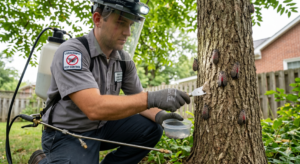
Bull Run Turf Care & Pest Control approaches Gainesville properties with an understanding of the rural-residential pressure dynamic that makes these neighborhoods particularly challenging. The assessment process identifies not just where the insects are currently active, but where the primary pressure sources are — whether that’s tree of heaven on adjacent land, a wooded buffer at the back of the property, or neighboring yards with established infestations.
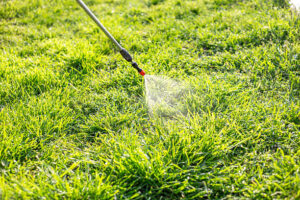
Treatment plans for Gainesville properties typically include at least two seasonal visits. The spring nymph treatment, timed to early to mid-May based on observed hatch activity in the area, disrupts the population at its most vulnerable point. The late-summer adult treatment, typically in August or September, addresses the peak feeding population and reduces the number of adults available to lay egg masses before the first frost. Egg mass inspection and removal is incorporated into fall service visits for properties with high pressure or multiple preferred host trees.
Frequently Asked Questions
Are spotted lanternflies present in Gainesville year-round?
Adult spotted lanternflies are present from roughly July through the first hard frost in fall, typically late October to early November in this part of Virginia. Nymphs are active from late April through June and July as they develop into adults. During winter and early spring, only the egg masses are present — the adult population from the previous season has died, but the next generation is already in place in egg form on trees, structures, and surfaces throughout the property.
What plants are most at risk on a typical Gainesville residential property?
Tree of heaven is the highest-risk host, but spotted lanternflies also feed heavily on maple, oak, walnut, black cherry, and willow trees. Fruit trees including apple, peach, and plum are at significant risk. Ornamental grapes and hops vines are also heavily targeted. During peak feeding periods, lanternflies will feed on a much wider range of plants including roses, lilacs, and many perennial garden species.
Can I treat spotted lanternflies myself if the infestation is small?
Small, early-season infestations may be partially managed through physical removal and consumer insecticide application, but the limitations of DIY treatment become significant as the population grows. The more important action for homeowners who discover a small infestation is to locate and destroy egg masses immediately and schedule a professional assessment before the nymph hatch in spring. Early professional involvement prevents small problems from becoming large ones far more effectively than reactive treatment after populations peak.
Bull Run Turf Care & Pest Control
4229 Lafayette Center Dr STE 1825, Chantilly, VA 20151, United States
Phone: (571) 430-5697
Website: bullrunturf.com
Instagram: @bullruntrf
Facebook: web.facebook.com/bullrunturf