Key Takeaways
Store-bought sprays often only kill the ants you can see. Without addressing the colony itself, new worker ants typically replace the ones eliminated within a short period of time. Different ant species require different treatment approaches. Odorous house ants and carpenter ants behave differently and pose different risks, making correct identification an important first step. Moisture and easy food access are the biggest draws for ants around a home. Addressing these underlying conditions makes treatment more effective and reduces the likelihood of future infestations.
Few pests are as persistent as ants, and many homeowners find themselves treating the same infestation repeatedly without lasting results. Understanding why ant colonies keep returning, and what separates an effective treatment from a temporary fix, is key to finally getting ahead of the problem.
The frustration many homeowners describe, seeing ants disappear for a few days only to return in the same spot, almost always traces back to the same root cause: treating the visible symptom while leaving the actual colony untouched and fully capable of rebuilding its worker population.
Why Ant Control Requires More Than Store-Bought Sprays
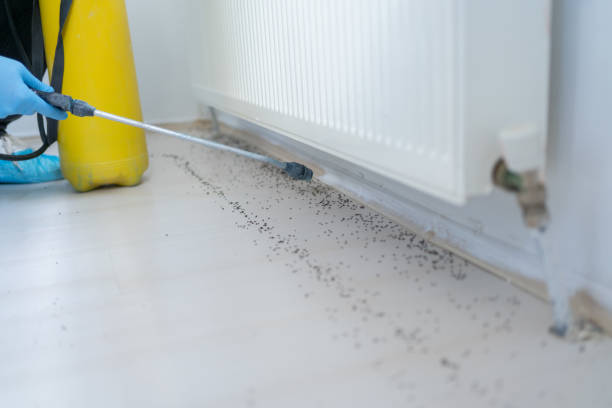
Ant control is one of the more deceptively difficult pest issues homeowners face, largely because visible ants represent only a small portion of a much larger colony. Spraying the ants seen crossing a kitchen counter or patio might eliminate that specific group, but the colony itself, often located outside or within a wall void, continues sending out new worker ants to replace them.
This is why many homeowners find themselves repeating the same treatment every few weeks without ever fully resolving the issue, since the underlying colony was never actually addressed. In some cases, spraying visible trails can even make the problem harder to solve, since it can cause a colony to split and relocate to a new, harder-to-find location nearby.
Common Ant Species Found Around Chantilly Homes
Not all ants behave the same way, and identifying the specific species present is an important part of building an effective treatment plan.
Odorous House Ants
Odorous house ants are among the most common ants found invading homes in this region, typically drawn indoors by food sources and moisture. They’re known for the distinct smell they release when crushed and tend to form large colonies that can be difficult to eliminate without targeted treatment. These colonies can also split into multiple smaller colonies when stressed, which is part of why DIY treatment sometimes seems to make an infestation spread rather than shrink.
Carpenter Ants and Structural Concerns
Carpenter ants are a more serious concern, since they excavate wood to build their nests, which can lead to structural damage over time if colonies go untreated. Unlike termites, carpenter ants don’t eat wood, but their tunneling can still weaken structural elements, particularly in areas with existing moisture damage. Finding carpenter ants indoors, especially in numbers, often indicates a nest has already established somewhere within the structure itself rather than simply foraging in from outside.
Why Ant Colonies Keep Returning
Ants are drawn to homes by consistent access to food, water, and shelter, and even a thorough cleanup of visible trails often doesn’t address the underlying reasons ants were attracted in the first place. Leaky pipes, unsealed entry points around foundations and windows, and easily accessible food sources all contribute to ongoing ant activity, meaning treatment without addressing these conditions tends to produce only temporary results.
Even something as small as a consistently damp spot under a sink or a gap around an exterior utility line can be enough to sustain a colony’s water needs, making these small environmental details worth checking alongside any pest treatment plan.
Searching for Ant Control Near Me
Homeowners searching for ant control near me are often dealing with a recurring problem that hasn’t responded well to DIY treatments. A professional approach typically starts with identifying the ant species present and locating the colony itself, rather than just treating visible trails, which allows treatment to target the source of the infestation directly.
Because different ant species respond to different treatment methods, correct identification early in the process makes a significant difference in how quickly and effectively the problem is resolved. A misidentified ant species can lead to a treatment plan that addresses the wrong colony behavior entirely, wasting both time and money.
What Professional Ant Control Looks Like in Chantilly
A thorough ant control Chantilly service typically includes an inspection of both the interior and exterior of the home to identify entry points, trails, and likely colony locations. Treatment is then applied in a way that targets the colony directly, often using bait systems that worker ants carry back to the nest, in addition to perimeter treatments that reduce the likelihood of new colonies establishing nearby.
Homeowners should also expect guidance on addressing conditions that attract ants in the first place, such as moisture issues or accessible food sources, since resolving these factors helps prevent the problem from returning.
When Ant Activity Signals a Larger Structural Issue
In some cases, persistent ant activity in the same area of a home points to an underlying structural or moisture issue that needs separate attention. Carpenter ants in particular are often found near areas with existing water damage, such as around leaking windows, roof flashing, or plumbing fixtures, since damp, softened wood is easier for them to excavate than dry, sound lumber.
When a pest technician identifies this kind of pattern during an inspection, addressing the ant colony alone typically isn’t enough to fully resolve the underlying problem. Homeowners in this situation are often better served by having the moisture issue evaluated and repaired alongside the pest treatment, since leaving it unaddressed makes the area vulnerable to a new colony moving in even after the current one has been eliminated.
Frequently Asked Questions
Why do ants keep coming back after I spray them myself? Store-bought sprays typically only kill the ants that are directly sprayed, leaving the colony itself, and the worker ants it continues to produce, unaffected. This is why infestations often appear to return quickly after DIY treatment.
Are carpenter ants as damaging as termites? Carpenter ants don’t consume wood the way termites do, but their tunneling to create nesting galleries can still cause structural damage over time, particularly in areas with existing moisture problems.
How long does it take to fully eliminate an ant colony? Depending on the treatment method and colony size, it can take one to several weeks to see a significant reduction in activity, since bait-based treatments rely on worker ants carrying products back to the nest over time.
Preventing Ants From Returning After Treatment
Once an active colony has been addressed, a few ongoing habits help prevent new colonies from establishing. Keeping counters and floors free of food debris, storing pantry items in sealed containers, and promptly repairing any leaks or condensation issues around sinks and appliances all remove the resources ants rely on. Sealing small cracks around the foundation and where utility lines enter the home further reduces the entry points available to any new colonies attempting to move in from outside.
What to Do If Ants Are Found Near Electrical Panels or Outlets
Ants, particularly certain species, are sometimes drawn to the warmth generated by electrical equipment, occasionally leading to activity near outlets, panels, or appliances. While this is less common than kitchen or bathroom activity, it’s worth mentioning to a pest technician if noticed, since treatment near electrical components requires extra care and may call for a slightly different approach than standard interior treatment.
Bull Run Turf Care & Pest Control 4229 Lafayette Center Dr STE 1825, Chantilly, VA 20151, United States