Key Takeaways
Not all weeds respond to the same treatment. Broadleaf weeds, grassy weeds, and sedges each need their own approach.
Figure out what you’ve got first. Knowing exactly which weeds are in your lawn is the key to picking a treatment that actually works.
A thick lawn is your best long-term defense. Healthy, dense grass leaves weeds very little room to move in.
Weeds have a real talent for finding the one thin spot in your lawn. A few dandelions turn into dozens, crabgrass creeps in along the driveway, and clover spreads across the backyard. Most people grab a bottle of weed killer and spray everything, then wonder why the weeds come back or why some of them didn’t even flinch. It’s because different weeds need different treatments. If you’re looking for weed control Chantilly homeowners can count on, the first step is knowing what you’re up against. We’re Bull Run Turf Care & Pest Control, and we take care of lawns all over our community. Here’s a look at the main types of weeds, how each one gets treated, and how to keep your lawn clean for the long haul.
Why One Treatment Doesn’t Fit All Weeds
Weed control products are made to target specific types of plants. Something made for broadleaf weeds like dandelions won’t do much to grassy weeds like crabgrass. And some weeds, like nutsedge, aren’t true grasses or broadleaf plants at all, so they need their own approach. Using the wrong product wastes time and money and leaves the real problem right where it was.
That’s why identifying your weeds is where good weed control starts.
Broadleaf Weeds
Broadleaf weeds have wide, flat leaves, often with visible veins, and a lot of them have noticeable flowers. They’re some of the most common weeds in Chantilly lawns.
Common Broadleaf Weeds
Dandelions are easy to spot with their yellow flowers and puffball seed heads. White clover spreads in low patches with little round white flowers. Plantain grows in flat rosettes of wide leaves. Henbit and purple deadnettle show up in early spring with purple flowers. Wild violets, ground ivy, and chickweed are common too.
How Broadleaf Weeds Are Treated
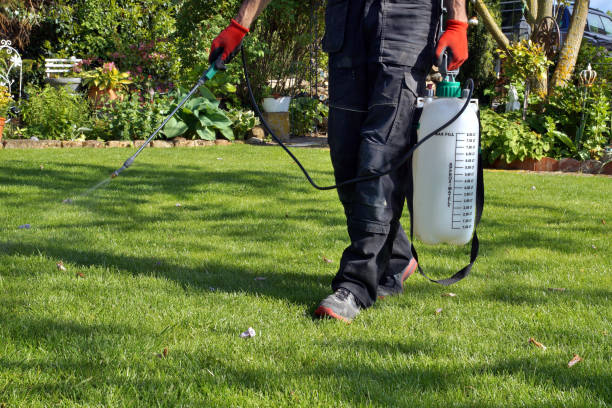
Broadleaf weeds are usually treated with selective post-emergent products that go after broadleaf plants without hurting your grass. They work best when the weeds are actively growing, usually in spring and fall. Some of the tougher ones, like wild violets and ground ivy, may need a few rounds.
Grassy Weeds
Grassy weeds look a lot like lawn grass, which makes them harder to spot and harder to get rid of. They often grow faster or have a different color or texture than the grass around them.
Common Grassy Weeds
Crabgrass is the best-known one. It grows in low, spreading clumps, loves hot weather, and tends to show up along driveways, sidewalks, and thin parts of the lawn. Annual bluegrass forms light green clumps that stand out in cool weather. Goosegrass and foxtail are other common ones.
How Grassy Weeds Are Treated
The best way to deal with annual grassy weeds like crabgrass is to stop them before they start. A pre-emergent in early spring keeps crabgrass seeds from developing. A fall pre-emergent helps stop winter grassy weeds like annual bluegrass. Grassy weeds that are already growing may need specific post-emergent products.
Sedges
Sedges look like grass but technically aren’t. Yellow nutsedge is the most common one in Northern Virginia lawns. It grows faster than your grass, has a lighter yellow-green color, and has triangular stems you can feel if you roll one between your fingers.
How Sedges Are Treated
Nutsedge spreads through little underground tubers, which makes it really hard to pull. Yank it out, and you usually leave tubers behind that just sprout again. It needs products made specifically for sedges, often applied more than once during the season. Nutsedge is also a sign of damp soil, so improving drainage can help.
Why Weeds Take Over Lawns
Weeds move in where a lawn gives them room. Thin grass, bare spots, compacted soil, poor drainage, and mowing too short all give weeds the upper hand. Lawns that aren’t fed well tend to thin out, and weeds fill in the gaps.
A Thick Lawn Is the Best Defense
The best long-term weed control is a healthy, dense lawn. Thick grass shades the soil, so weed seeds have a much harder time sprouting. Regular feeding, aeration, overseeding, and good mowing habits all help your grass get thick enough to crowd weeds out.
Mowing and Watering Habits That Keep Weeds Out
Treatments take care of the weeds you have, but your everyday habits decide how many new ones get in.
Mow High
Cutting too short is one of the most common reasons weeds take over. Short grass lets more sun hit the soil, which helps weed seeds sprout. Keeping tall fescue at a moderate to tall height shades the soil and gives your grass deeper roots. Try not to take off more than a third of the blade at once.
Water Deeply and Less Often
Light, frequent watering keeps the top of the soil damp, which is exactly what a lot of weed seeds want. It also keeps grass roots shallow. Watering deeply and less often, ideally early in the morning, pushes roots deeper and lets the surface dry out in between.
Keep Mower Blades Sharp
Dull blades tear grass instead of cutting it, leaving ragged tips that stress the plant and invite disease. Stressed lawns thin out, and thin lawns let weeds in. Sharpening your blades at least once a season keeps cuts clean.
Overseed Thin Areas
Bare and thin spots are basically an open invitation. Overseeding them in early fall fills them in before weeds can claim them, and doing it right after aeration gives the seed better contact with the soil.
Stay on Schedule
Weed control works best as a steady, year-round effort. Pair good mowing and watering habits with well-timed treatments, and your lawn gets thicker every year while the weeds get fewer chances.
How Bull Run Turf Care & Pest Control Handles Weed Control
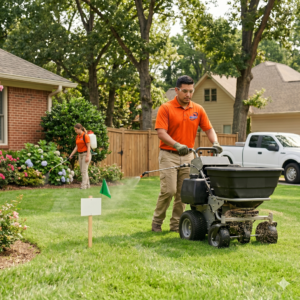
We start by looking at your lawn to figure out which weeds you’ve got and what’s helping them grow. Then we pick treatments that match, including pre-emergent in spring and fall and targeted post-emergent treatments for weeds that are already up.
We also work on building a thicker lawn through feeding and recommendations for aeration and overseeding, so weeds have less room to come back.
Our Gold Care lawn plan is $29.99 a month and includes 5 visits with 10 applications over the year, covering fertilization and weed control. If you’d like pest protection too, our Best of Both plan is $60.99 a month. Every visit is backed by our 100% satisfaction guarantee, and we’ll match a comparable quote and take 10% off.
Our owner, Paul Eden, is a Virginia Certified Horticulturist with more than 35 years of experience.
Serving Chantilly Neighborhoods
We take care of lawns all over Chantilly, including Sully Station, Brookfield, Greenbriar, Poplar Tree, and Chantilly Highlands, plus the rest of Fairfax and Loudoun Counties.
Finding Weed Control Near Me
When you search for weed control near me, look for a local team that can identify the weeds we see in Northern Virginia and knows when to treat them. Someone nearby can time treatments to the local weather and follow up if weeds hang on.
Good weed control means you’re not just spraying and hoping. You get treatments matched to the weeds that are actually in your yard.
Get Your Lawn Back
If weeds are taking over, we’re ready to help. Call us at 571-430-5697 between 9:00 AM and 5:00 PM to schedule your weed control service.
Frequently Asked Questions
Why do weeds keep coming back after I spray them?
Usually it’s because the wrong product was used, the timing was off, or the lawn is thin enough to let new weeds sprout. Matching the treatment to the weed and building a thicker lawn breaks that cycle.
Is it better to pull weeds or treat them?
Pulling is fine for a few weeds, but a lot of them grow right back from roots or tubers left in the ground. For bigger problems, targeted treatments usually work better.
When is the best time for weed control?
It depends on the weed. Pre-emergent works best in early spring and early fall, and post-emergent treatments for broadleaf weeds work well in spring and fall while the weeds are actively growing.
Bull Run Turf Care & Pest Control 4229 Lafayette Center Dr STE 1825, Chantilly, VA 20151, United States