Key Takeaways
Stink bugs head indoors when it cools off. In fall, they gather on sunny walls and look for any gap they can use to spend the winter inside your house.
Sealing up and treating the outside is your best defense. Once they’re tucked into walls and attics, they’re a lot harder to deal with.
Don’t squish them. Crushing a stink bug releases that smell, so removing them gently and keeping them out works much better.
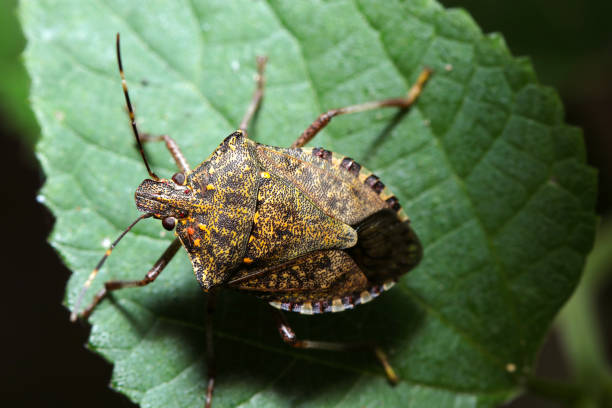
Every fall, homeowners all over Northern Virginia notice the same thing. Brown, shield-shaped bugs clustered on the sunny side of the house, crawling around window frames, and somehow showing up inside on curtains and lampshades. These are brown marmorated stink bugs, and they’re looking for a warm place to wait out the winter. If you’re searching for stink bug control northern Virginia homeowners can rely on, the best time to act is before they get inside. We’re Bull Run Turf Care & Pest Control, and we work in homes across Fairfax, Loudoun, Prince William, and Arlington Counties. Here’s why stink bugs move in, how they get inside, and how to keep them out.
Why Stink Bugs Invade Homes in Fall
The brown marmorated stink bug is an invasive insect that came over from Asia. In spring and summer, it lives outside and feeds on fruits, vegetables, and ornamental plants. As the days get shorter and colder, it goes looking for a protected place to spend the winter. In the wild, that might be under tree bark or in rock crevices. Around homes, it’s walls, attics, and window frames.
Stink bugs love warm, sunny surfaces. On cool fall days, they gather on south- and west-facing walls, then crawl into any gap they can find. Once they’re in, they settle into wall voids and attics and mostly sit still all winter.
Why They Show Up Indoors on Warm Days
On a warm winter or early spring day, stink bugs hiding in your walls can wake up and wander into your living space. That’s why you might still see them in February. They aren’t breeding in there. They’re just trying to get back outside as the weather warms up.
Why Stink Bugs Are a Problem
Stink bugs don’t bite, sting, or damage your home’s structure. But they’re a real nuisance. Big groups can gather on walls and windows, and they turn up inside on curtains, light fixtures, and furniture. And when you disturb or crush one, it releases a strong, unpleasant smell that likes to hang around.
Outside, they feed on lots of garden plants, fruits, and vegetables, which can be pretty frustrating if you like to garden.
How Stink Bugs Get Inside
Stink bugs are flat and can slip through surprisingly small openings. Common ways in include gaps around windows and doors, torn window screens, gaps around window AC units, spaces around utility lines and pipes, attic vents, gaps under siding, soffits and fascia boards, and cracks around chimneys.
Homes with lots of windows, older seals, or sunny walls facing open fields or woods usually see the most of them.
How to Keep Stink Bugs Out
The best stink bug control is all about keeping them out, not chasing them around inside.
Seal Entry Points
Sealing gaps around windows, doors, utility lines, and vents takes away the openings they use. Replace damaged window screens and add or replace weatherstripping and door sweeps where needed. Caulk cracks around window frames and along the siding.
Treat the Exterior Before They Arrive
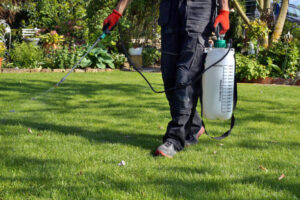
An exterior treatment around windows, doors, eaves, and other entry points in late summer and early fall helps cut down on how many make it inside. Timing matters, since treatment works best before they start gathering on the house in big numbers.
Remove Indoor Stink Bugs Carefully
If a few do get in, don’t crush them. Gently knock them into a cup of soapy water, or use a vacuum you keep just for this and empty it outside right away. That keeps the smell from spreading through the house.
Stink Bugs in the Garden
Stink bugs aren’t just a problem inside. During the growing season, they can really frustrate gardeners around here.
What They Feed On
They feed by piercing plants and sucking out the juices. They go after a wide range of fruits, vegetables, and ornamentals, including tomatoes, peppers, beans, sweet corn, apples, peaches, and berries, plus plenty of ornamental trees and shrubs. Their feeding leaves small discolored spots, and fruit can end up with dimpled, corky patches under the skin.
Protecting Fruits and Vegetables
Checking your plants regularly in summer helps you catch them early. Look under leaves for clusters of tiny, barrel-shaped eggs and for young nymphs, which are rounder and more colorful than adults. Picking off eggs and nymphs by hand can help in a small garden, and fine mesh row covers can protect your most important crops during peak feeding.
Keeping Plants Away From the House
Thick plantings right up against your house give stink bugs a staging area right next to your windows and siding. In fall, they can hop straight from those plants onto your walls looking for a way in. Keeping shrubs trimmed back from the foundation and avoiding heavy plantings along sunny walls cuts down on how many end up on your house.
A Year-Round View
The stink bugs eating your tomatoes in August are often the same ones trying to get into your house in October. Thinking of stink bug control as a year-round thing, both in the garden and around the house, gives you the best shot at keeping their numbers down.
Why DIY Methods Have Limits
Sealing gaps is something you can absolutely do yourself, but finding every single one takes time, especially on a two-story home with high windows, soffits, and attic vents. Store-bought sprays used indoors don’t stop new stink bugs from coming in, and a lot of them miss the places where the bugs hide.
A professional approach pairs exterior treatment with a careful look at entry points, so fewer stink bugs get inside to begin with.
How Bull Run Turf Care & Pest Control Handles Stink Bugs
We start by inspecting the outside of your home. We look at windows, doors, eaves, soffits, vents, and anywhere else stink bugs gather and get in. Then we treat the areas they target and point out gaps that should be sealed.
We can usually come out the same day you call, and every visit is backed by our 100% satisfaction guarantee. If stink bugs come back between visits, we’ll return within 48 hours. For year-round protection, our Perimeter Pest Control plan is $32.99 a month with four visits a year, so your home is protected before each seasonal wave of pests, including the fall stink bug rush.
Experienced Technicians
Our team includes Adam Pheister, an ACE-certified technician with 17 years of experience, and our owner, Paul Eden, who has more than 35 years in the field. We know when stink bugs start moving around here and where they’re most likely to get in.
Finding Stink Bug Control Near Me
When you search for stink bug control near me, look for a local team that knows the timing of stink bug season in Northern Virginia. A nearby provider can treat at the right moment and come back quickly if needed.
Good stink bug control helps keep your home comfortable and smell-free through fall and winter. We work all over Fairfax, Loudoun, Prince William, and Arlington Counties, including Chantilly, Centreville, Herndon, Fairfax, Ashburn, and Leesburg.
Keep Stink Bugs Outside This Fall
The sooner you protect your home, the fewer stink bugs you’ll be dealing with this winter. Call us at 571-430-5697 between 9:00 AM and 5:00 PM to schedule your stink bug treatment.
Frequently Asked Questions
Are stink bugs dangerous?
No. They don’t bite or sting, and they don’t damage your home’s structure. They’re mostly just a nuisance because there can be so many of them, plus the smell they give off when disturbed.
Do stink bugs breed inside homes?
No. The ones that get inside in fall mostly sit still all winter. They might wander into living spaces on warm days, but they don’t reproduce indoors.
When is the best time to treat for stink bugs?
Late summer and early fall, before they start gathering on homes in big numbers. Sealing up entry points at the same time helps keep them out.
Bull Run Turf Care & Pest Control 4229 Lafayette Center Dr STE 1825, Chantilly, VA 20151, United States