Key Takeaways
Every season has a job to do. Spring is for preventing weeds, summer is for managing stress, fall is for building roots, and winter is for resting and planning.
Fall matters most for Chantilly lawns. Cool-season grasses do their best growing and recovering once the weather cools off.
Consistency wins. A lawn that gets the right care at the right time every season just keeps getting thicker and healthier.
A great lawn doesn’t happen by accident. Those thick, green yards you see around Chantilly are the result of the right care at the right time, season after season. Mowing alone won’t get you there, and neither will one bag of fertilizer in April. If you’re looking for lawn care Chantilly homeowners can rely on, it helps to know what your lawn actually needs over the course of the year. We’re Bull Run Turf Care & Pest Control, and we take care of lawns across our community. Here’s a season-by-season plan for a healthier, greener yard.
Understanding Chantilly Lawns
Most Chantilly lawns are cool-season grasses, mainly tall fescue, sometimes mixed with Kentucky bluegrass or perennial ryegrass. These grasses grow best in spring and fall, when it’s mild out, and slow down in the summer heat.
Soil changes a lot from one Chantilly neighborhood to the next. Newer communities often sit on compacted clay from construction, while older areas near Rocky Run and Big Rocky Run tend to have more shade from big trees. Those differences affect how your grass grows and what it needs.
Spring: Prevent and Wake Up
Spring is when your lawn wakes up from winter, and it’s also when weeds make their move. This season is all about prevention and getting off to a gentle start.
Pre-Emergent Weed Control
Crabgrass and other summer weeds sprout as the soil warms up in spring. Getting a pre-emergent down before that happens keeps them from developing. Timing is everything here, since pre-emergent won’t do anything to weeds that have already come up.
Light Feeding and Broadleaf Control
A light spring feeding helps the grass green up after winter. Broadleaf weed treatment takes care of dandelions, clover, and other weeds that pop up as it warms. It’s best to skip heavy spring fertilizing, since it can push fast growth that struggles once summer heat arrives.
Mowing Height
Start the season mowing at a moderate height, and try not to cut off more than a third of the grass blade at a time. Sharp mower blades give you cleaner cuts that heal faster.
Summer: Manage Stress
Summer here means heat, humidity, and dry stretches that are tough on cool-season grass. The goal is simply to help your lawn get through it in good shape.
Mow Higher and Water Deeply
Raising your mowing height in summer helps the grass shade its own roots and hold onto moisture. When you water, water deeply and less often, ideally early in the morning, so the roots grow deeper.
Watch for Insects and Disease
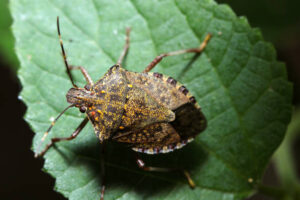
Grubs feed on grass roots in late summer and can cause patches of lawn to wilt and peel up like carpet. Lawn diseases like brown patch are more common when it’s hot and humid. Catching these early keeps the damage down.
Keep Feeding Light
Cool-season grass isn’t really growing in the peak of summer, so feeding stays light or gets skipped. The focus shifts to protecting what you’ve already got.
Fall: Build for Next Year
Fall is the most important season for Chantilly lawns. Cool air and warm soil make perfect conditions for root growth and recovery from summer.
Fertilization
Fall feeding helps grass grow deeper roots and store energy for winter. A late fall feeding helps your lawn green up faster in spring. For a lot of lawns, this is the single biggest step toward thicker grass.
Aeration and Overseeding
Core aeration loosens up compacted soil and lets air, water, and nutrients reach the roots. Overseeding right after fills in thin and bare areas with new grass. Fall is the perfect time for both, since the new grass has time to settle in before winter.
Fall Weed Control
Winter weeds like annual bluegrass, henbit, and chickweed sprout in the fall. A fall pre-emergent, coordinated with any overseeding, helps keep them out. Broadleaf weeds are also easier to knock out in fall as they pull energy down into their roots for winter.
Leaf Management
Raking or mulching leaves regularly keeps them from smothering the grass and blocking the sunlight it needs to store energy.
Winter: Rest and Plan
Grass mostly goes dormant in winter. Try to keep foot traffic off frozen or frosty grass, clear debris after storms, and keep heavy stuff off the lawn. Winter’s also a good time to plan for the coming season and get your mower serviced.
Common Lawn Care Mistakes Chantilly Homeowners Make
Even people who really care about their lawns can fall into habits that hold it back. Steering clear of these makes everything else you do work better.
Mowing Too Short
Scalping the lawn might seem like a way to mow less often, but it weakens the grass, exposes the soil to sun, and invites weeds. Keeping your grass at a moderate to tall height helps it grow deeper roots and stay greener through summer.
Watering Too Often
A little bit of water every day keeps roots shallow and the soil surface damp, which helps weeds and disease. Deep, less frequent watering in the early morning is much better for cool-season grass.
Fertilizing at the Wrong Time
Heavy feeding in late spring or summer pushes growth right when cool-season grass can least handle it. Shifting most of your feeding to fall gives the lawn nutrients when it can use them to build roots.
Skipping Fall Work
A lot of people put their lawn gear away once summer ends, but fall is when the most important work happens. Skipping fall aeration, overseeding, and feeding means missing the best window of the whole year to thicken up your lawn.
Letting Leaves Pile Up
A heavy layer of leaves sitting on the lawn for weeks blocks sunlight and traps moisture. Clearing them regularly in fall protects the grass when it should be storing up energy.
Treating Symptoms Instead of Causes
Spraying weeds or adding fertilizer won’t fix a lawn that’s struggling because of compacted soil, shade, or drainage. Looking at the whole picture is what gets you lasting results.
How Bull Run Turf Care & Pest Control Takes Care of Your Lawn
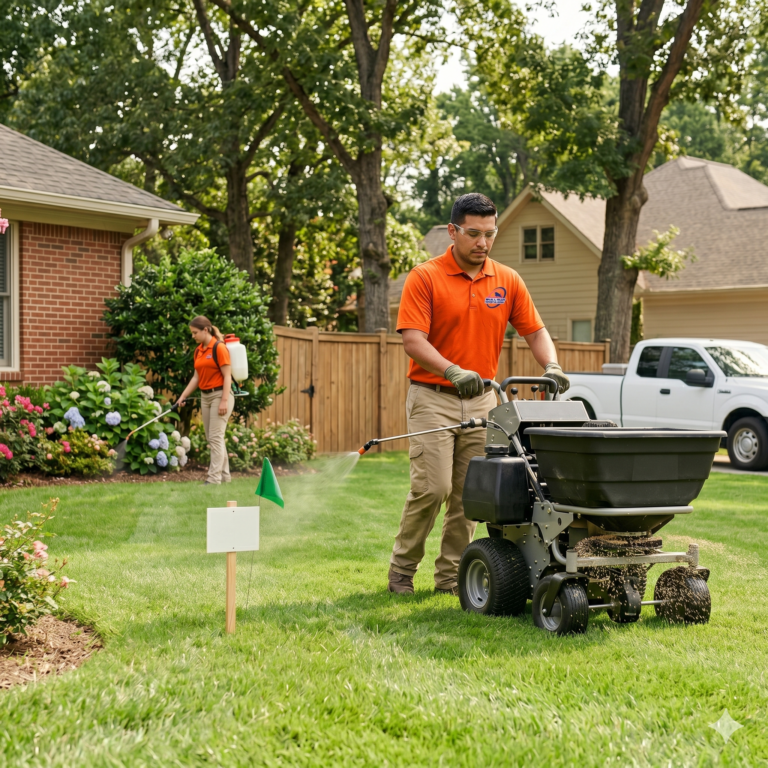
Our lawn programs follow the seasons. We look at your grass type, sun and shade, soil, and trouble spots, then time each visit to what your lawn needs at that point in the year. From weed prevention in spring to feeding in fall, every step has a reason.
Our Gold Care lawn plan is $29.99 a month and includes 5 visits with 10 applications over the year, covering fertilization and weed control. If you’d like pest protection too, our Best of Both plan covers lawn care and pest control for $60.99 a month. Every visit is backed by our 100% satisfaction guarantee, and we’ll match a comparable quote and take 10% off.
Our owner, Paul Eden, is a Virginia Certified Horticulturist with more than 35 years of experience, and our senior technicians bring decades of lawn care experience between them.
Serving Chantilly Neighborhoods
We take care of lawns all over Chantilly, including Sully Station, Brookfield, Greenbriar, Poplar Tree, Armfield Farm, and Chantilly Highlands, plus the rest of Fairfax and Loudoun Counties.
Finding Lawn Care Near Me
When you search for lawn care near me, pick a local team that knows our grass types, soils, and weather. Someone nearby can adjust timing when the seasons shift and spot problems early.
Good lawn care means you’re not wondering what to do or when. You get a plan that works with the seasons instead of against them.
Start Your Lawn Care Plan Today
Fall is the perfect time to start building next year’s lawn. Call us at 571-430-5697 between 9:00 AM and 5:00 PM to get started.
Frequently Asked Questions
What type of grass is best for Chantilly lawns?
Tall fescue is the most common grass here and a great fit for Chantilly and the rest of Northern Virginia. It handles heat better than a lot of cool-season grasses and holds up well to foot traffic. Shade-tolerant fescue blends work well under trees.
How high should I mow my lawn?
Most tall fescue lawns do best at a moderate to tall height, with a slightly higher cut in summer to ease stress. Try not to take off more than a third of the blade in one mowing.
When should I aerate my lawn?
For cool-season lawns in Chantilly, early fall is the best time. Pairing aeration with overseeding and feeding gives your lawn the strongest possible start for next year.
Bull Run Turf Care & Pest Control 4229 Lafayette Center Dr STE 1825, Chantilly, VA 20151, United States