Key Takeaways
Not every Herndon lawn needs the same feeding. Shady lawns under big trees and sunny lawns on newer lots need very different things.
Your soil decides how well fertilizer works. Compacted clay can limit what your grass actually takes in, so aeration and feeding work best together.
Fall is the key season for cool-season lawns. Feeding as the weather cools builds stronger roots and a thicker lawn next spring.
Herndon has a little bit of everything when it comes to lawns. Older neighborhoods near Historic Downtown and Monroe Manor have big shade trees that throw long shadows over the grass. Newer homes and townhouses often sit on open lots with full sun and soil that got packed down during construction. Each of those changes what your lawn needs. That’s why lawn fertilization works best when it’s matched to your yard instead of done the same way everywhere. We’re Bull Run Turf Care & Pest Control, and we take care of lawns across Fairfax County. Here’s how shade and soil affect feeding in Herndon, and how to give your lawn what it actually needs.
How Lawn Fertilization Works
Fertilizer gives your grass the nutrients it needs to grow. The big three are nitrogen, phosphorus, and potassium. Nitrogen drives leaf growth and green color. Phosphorus helps roots develop, especially in new grass. Potassium helps grass deal with stress from heat, drought, cold, and foot traffic.
Most Herndon lawns are cool-season grasses like tall fescue. They grow the most in spring and fall, and that’s when they make the best use of nutrients. Feeding at the right time with the right balance is what turns fertilizer into real results.
How Shade Changes Your Lawn’s Needs
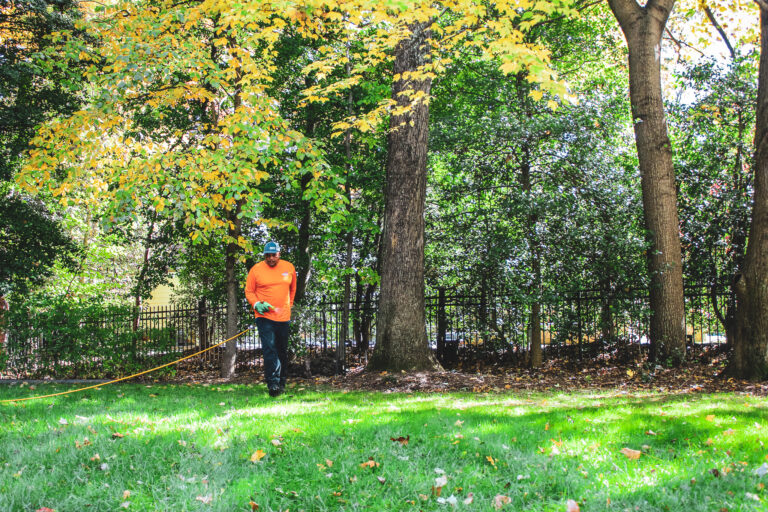
Herndon’s big trees are one of the best things about the area, but they make growing grass harder. Grass in the shade gets less sun, so it grows more slowly and uses fewer nutrients. Tree roots compete with it for water and food too.
Feeding Shaded Lawns
Shady lawns usually need less nitrogen than sunny ones. Too much nitrogen in the shade can push weak, thin growth that gets sick more easily. A lighter, well-timed feeding helps shady grass stay healthy without overdoing it. Using a shade-tolerant grass when you overseed helps those areas hold up too.
Leaf Cover in Fall
In fall, leaves from big trees can cover a lawn fast. A thick layer blocks sunlight and traps moisture, which can weaken the grass right when it should be storing energy for winter. Keeping leaves cleared lets the fertilizer do its job.
How Soil Affects Fertilization
Soil makes a big difference in how well grass uses nutrients. A lot of newer Herndon neighborhoods were built on soil that got graded and packed down during construction. Compacted soil makes it hard for roots to grow deep and limits how much water, air, and food reach them.
Aeration Helps Nutrients Reach the Roots
Core aeration pulls small plugs of soil out of the lawn and opens up space for air, water, and nutrients to get down to the roots. Feeding right after aeration helps nutrients get where they’re needed. For packed-down lawns, pairing the two makes a noticeable difference.
Sunny, Open Lawns
Lawns in full sun usually need more nitrogen than shady ones, since they’re growing more actively. They also take more of a beating from summer heat. Feeding more in fall and less in spring helps these lawns build strong roots without pushing too much growth right before summer.
The Best Times to Fertilize in Herndon
For cool-season lawns, fall is the most important time to feed. An early fall feeding helps grass bounce back from summer, and a late fall feeding gives roots one last boost before winter. That helps your lawn green up faster and stay thicker next spring.
Spring feeding should be lighter, just enough to help the grass green up without pushing a lot of growth before summer. Summer feeding is usually minimal, since cool-season grass slows down in the heat.
Signs Your Herndon Lawn Needs Better Feeding
A lawn that isn’t getting the right nutrients usually shows it. Pale or yellowish grass, thin areas, slow growth in spring and fall, and more weeds than usual can all point to a feeding issue. In shady spots, thin and weak grass might mean the lawn is getting the wrong balance for its conditions.
Some of those same signs can also come from compacted soil, drainage issues, pests, or disease. A trained eye can tell the difference and point you to the right fix.
Getting the Most From Every Application
A few simple habits help each feeding do its full job.
Water at the Right Time
Granular fertilizer usually needs water to move from the surface down into the soil. A light watering afterward, or a gentle rain, helps nutrients reach the roots. A heavy downpour right after feeding can wash it away, which is one reason timing around the weather matters.
Mow Thoughtfully
Mowing right before or after a feeding is generally fine, but try not to bag up clippings right after, since you might collect some of the granules with them. Keeping your mowing height moderate to tall also helps grass use nutrients better and shade out weeds.
Leave the Clippings
Grass clippings left on the lawn break down quickly and put nutrients back into the soil. As long as they’re not clumping on top of the grass, leaving them is an easy way to help your lawn between visits.
Keep Fertilizer Off Hard Surfaces
Granules that land on driveways, sidewalks, and patios can wash into storm drains. Sweeping them back onto the lawn keeps them working for your grass and helps protect local streams like Sugarland Run.
Stay Consistent
The biggest results come from steady, well-timed feeding over the year, not one big application. A consistent program builds a thicker, healthier lawn season after season.
How Bull Run Turf Care & Pest Control Approaches Lawn Fertilization
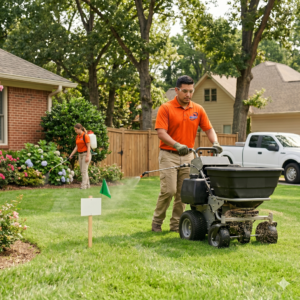
We start every lawn program by looking at your yard. We consider your grass type, sun and shade, soil, and any trouble spots before we put anything down. Then we time each application so your lawn gets nutrients when it can actually use them.
Our Gold Care lawn plan is $29.99 a month and includes 5 visits with 10 applications over the year, covering fertilization and weed control. For lawn and pest protection together, our Best of Both plan is $60.99 a month. Every visit is backed by our 100% satisfaction guarantee, and we’ll match a comparable quote and take 10% off.
Our owner, Paul Eden, is a Virginia Certified Horticulturist with more than 35 years of experience, and our team knows how Northern Virginia’s soil and shade affect lawn health.
Serving Herndon and Surrounding Areas
We take care of lawns all over Herndon, from neighborhoods near Historic Downtown and Runnymede Park to communities along the W&OD Trail and Sugarland Run, plus the rest of Fairfax and Loudoun Counties.
Finding Lawn Fertilization Near Me
When you search for lawn fertilization near me, look for a team that understands the difference between shady and sunny lawns and knows the soil around here. A local provider can adjust timing when the season shifts and catch problems early.
When it comes to lawn fertilization Herndon homeowners can trust, a plan built around your own yard is the way to a thicker, greener lawn.
Feed Your Lawn for the Year Ahead
Fall feeding sets up next year’s lawn. Call us at 571-430-5697 between 9:00 AM and 5:00 PM to get your lawn fertilization scheduled.
Frequently Asked Questions
Does my shaded lawn need fertilizer?
Yes, but usually less than a lawn in full sun. Shady grass grows more slowly and can actually be hurt by too much nitrogen. A lighter, well-timed program keeps shady areas healthy.
Should I aerate before fertilizing?
For compacted lawns, aerating first helps nutrients and water reach the roots. Fall is a great time to aerate, overseed, and fertilize all together.
How soon will I see results from fertilization?
You may see greener color within a few weeks, but the biggest payoff from fall feeding shows up the following spring, when your lawn greens up faster and comes in thicker.
Bull Run Turf Care & Pest Control 4229 Lafayette Center Dr STE 1825, Chantilly, VA 20151, United States