

5 Subtle Signs of a Rodent Infestation: How to Detect Early Rodent Activity for Effective Control
Early-stage rodent infestations rarely announce themselves with obvious gnawing or visible animals; instead, they begin with subtle evidence that, when recognized, prevents health risks and costly property damage. This article explains five less-obvious signs of rodent activity—droppings, nocturnal sounds, gnaw marks, pet agitation, and secondary clues like musky odors and nests—so homeowners can detect problems before they escalate. You will learn how to distinguish mouse droppings from rat droppings, what scratching in walls typically sounds like and when it matters, how to assess gnaw damage on wiring, how pet behavior can lead you to hidden nests, and when to escalate to professional rodent control. Bull Run Turf Care & Pest Control is a Northern Virginia pest control provider serving Fairfax, Loudoun, and Prince William counties with expert, responsive options, and eco-friendly treatments for rodent issues when professional service is required. Read on for practical inspection checks, quick evidence-collection tips to document findings, and clear thresholds for calling in a trained technician.
What Are the Most Common Rodent Droppings Signs to Look For?
Rodent droppings are one of the most reliable first-line indicators of infestation because they are direct biological evidence of activity, reveal species clues, and indicate recentness based on color and moisture. Fresh droppings are typically dark, glossy, and firm while older droppings dry to a duller, crumbly state; patterns in quantity and distribution help estimate population levels and preferred runways. Recognizing droppings supports targeted inspection of kitchens, pantries, attics, and garages where food and shelter intersect, and it helps prioritize sanitation and exclusion steps. The following comparison table highlights distinguishing features to help identify whether you’re dealing with mice or rats and offers quick interpretation cues for homeowners and professionals.
| Dropping Feature | Mouse Droppings | Rat Droppings |
|---|---|---|
| Size | About the length of a grain of rice (3–8 mm) | Larger, thicker — up to 12–20 mm or more |
| Shape | Thinner, tapered at ends, uniformly elongated | Chunkier, blunt-ended, more varied in shape |
| Typical Locations | Inside cabinets, behind appliances, in boxes | Basements, attics, along exterior foundations |
| Freshness Indicator | Shiny and slightly moist when fresh | Dark and glossy when fresh; more robust residue |
This table makes it easier to decide whether to monitor, bait, or call for professional inspection; if droppings are numerous, fresh, or accompanied by other signs, escalation is warranted. Next, learn where droppings most commonly appear inside and outside homes so you can check high-risk spots during a quick walkthrough.
Mouse vs rat droppings: size, shape, and context help determine control approach and urgency.
How to Differentiate Mouse Droppings from Rat Droppings
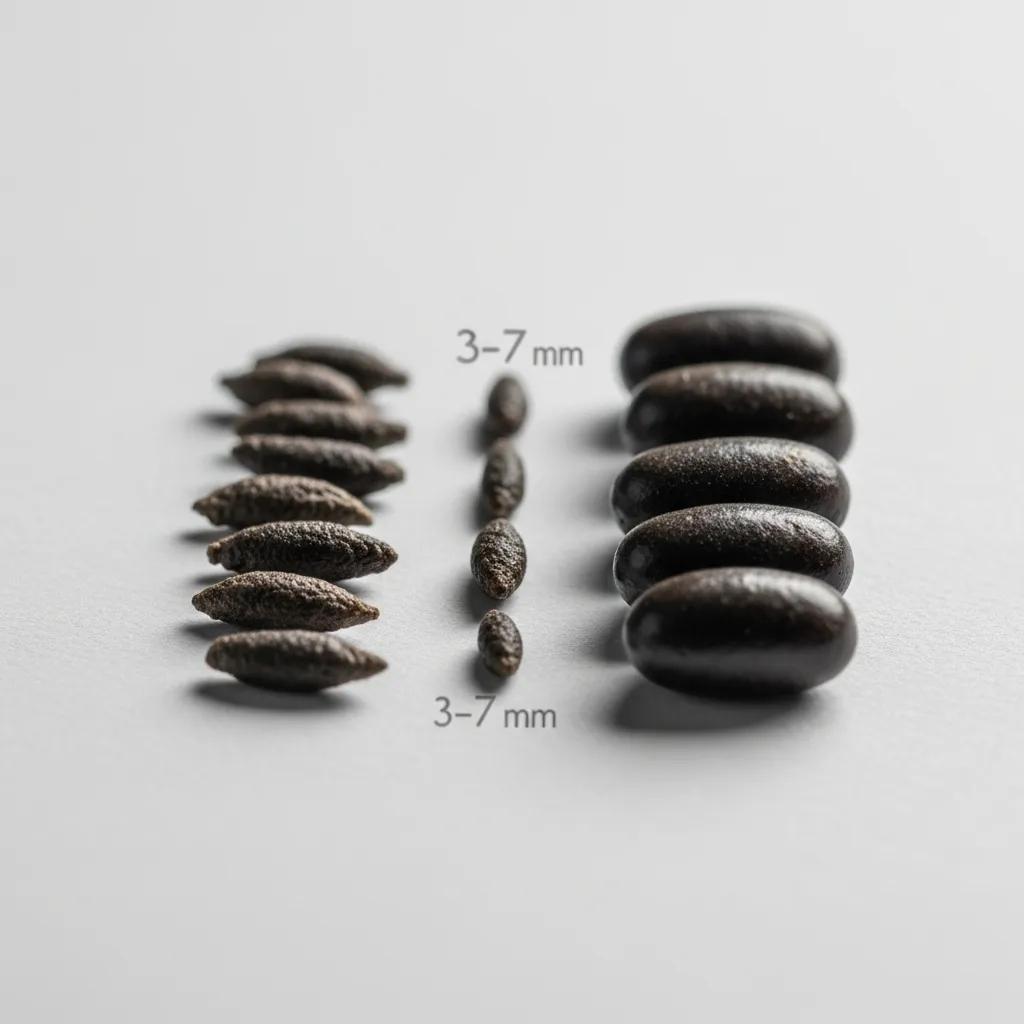
Mouse droppings differ from rat droppings mainly in size and shape, with mice producing many small, rice-grain-like pellets while rats leave larger, blunter droppings; color and sheen also indicate freshness. Measuring a pellet against a ruler or photographing it with a common item for scale helps pest professionals assess species and approximate population. Frequency matters: clusters of dozens of fresh mouse pellets near food sources suggest active foraging, whereas fewer but larger rat droppings near burrows or attic entries often indicate a smaller number of larger rodents. Carefully documenting these differences with photos (without touching droppings) provides useful evidence for any inspector you consult and helps determine whether interior exclusion or interior/exterior treatments are the correct next step.
Where Are Rodent Droppings Commonly Found in Homes?
Droppings collect where rodents travel, hide, and feed—common indoor locations include pantry shelves, behind and under appliances, inside stored cardboard boxes, and in attic insulation near soffits or vents. Outdoors or in transitional spaces, check along foundations, in garage corners, near compost bins, and inside sheds where clutter and food attract activity. Visual cues to pair with droppings include grease rub marks along baseboards, disturbed insulation, and concentrated trails of shredded paper or fabric that often lead to nests. During inspections, focus on dark, undisturbed areas and lift items carefully while wearing gloves and a mask; documenting locations helps trace runways and next directs sealing and sanitation efforts.
How Can Scratching Sounds in Walls Indicate a Rodent Problem?
Scratching and scurrying sounds inside walls, ceilings, or attics signal live rodent activity because these animals are often nocturnal and move while foraging or nesting; sound timing and quality help distinguish rodents from other causes. Typical rodent noises include light scratching, intermittent scurrying like tiny claws on wood, and occasional hollow thumping when larger rodents move; these noises are most audible at night when ambient household sounds decline. Listening at different times and locations in the home narrows down the likely nesting area, and documenting when and where you hear sounds supports targeted inspection and professional assessment. Before opening walls or ceilings, use safe observation steps such as listening sessions and exterior checks to reduce risk and prepare for the next investigative action.
Homeowner listening checks can confirm patterns without invasive measures and will inform the decision to monitor or call a pro.
- Listen quietly in rooms adjacent to attics and exterior walls during late evening hours when household noise is minimal.
- Note the timing and frequency of sounds and whether they coincide with nocturnal hours.
- Check attic vents, soffits, and interior ceilings for localized noise sources and visible entry points.
These simple checks reduce uncertainty and provide valuable context for professionals; if noises are regular and localized, it is likely the infestation is active and in need of intervention.
What Types of Noises Do Rodents Make and When Are They Most Audible?
Rodent noises span scratching, scurrying, gnawing, and thumping, each reflecting different behaviors: scratching generally points to nesting or movement in insulation, scurrying suggests foraging, gnawing indicates chewing on structural materials, and heavier thumping often involves larger rodents. These sounds are most audible during nighttime because rodents are primarily nocturnal and human activity diminishes, allowing subtle animal noises to stand out. Differentiating sounds helps prioritize inspections—repeated scratching in a single ceiling area suggests a nest overhead, while scattered scurrying hints at transient foraging paths. If noises become louder, more frequent, or shift closer to living spaces, document times and locations for a professional inspection to assess activity level and entry routes.
Why Are Nocturnal Scratching Noises a Key Early Warning Sign?
Nocturnal scratching is a reliable early indicator because rodents exploit darkness to move and feed, and persistent night sounds often correlate with nearby nests or active runways that can expand quickly if unchecked. The behavior reflects the animals’ biology—nocturnal foraging and nest maintenance—and indicates proximity to living spaces, increasing the chance of contamination and structural damage. Recording these noises with timestamps and location details helps technicians target baiting, exclusion, and sanitation measures during an inspection. Since opening wall cavities can aerosolize contaminated dust, homeowners should avoid invasive probing and instead document sounds and visible entry signs for professionals to investigate safely.
What Do Gnaw Marks on Wires and Other Materials Reveal About Rodent Infestations?
Gnaw marks are direct evidence of rodent presence and behavior, revealing species tendencies, the intensity of activity, and potential hazards when critical materials are targeted; fresh gnawing often coincides with active nests nearby. Rodents chew to maintain incisor length, access food, and create runways; when they target insulation, wood, or electrical wiring, the risk shifts from mere nuisance to fire and system-failure hazards that demand urgent attention. Visual inspection for fresh wood fibers, clean-cut edges, and nearby droppings indicates recent activity and increases the need for professional intervention. The table below summarizes common materials affected and associated risk levels to help homeowners prioritize immediate actions.
| Material Affected | Typical Rodent Behavior | Risk Level / Notes |
|---|---|---|
| Electrical Wiring | Chewing insulation to access cavity spaces | High risk; exposed wiring can ignite and cause failure |
| Wood Framing & Trim | Gnawing for nesting or access | Medium risk; structural damage over time |
| Insulation & Ducts | Nesting material removal and dirt transfer | Medium risk; reduces energy efficiency and spreads contaminants |
| HVAC Components | Gnawing on plastic or foam parts | Medium risk; can cause system malfunctions and contamination |
This table clarifies why certain gnaw marks trigger immediate remedial steps and reinforces when to stop DIY probing and seek professional help. Next, learn visual cues to distinguish fresh chewing from old damage so you can assess activity level accurately.
How to Identify Fresh vs. Old Gnaw Marks
Fresh gnaw marks present as clean, bright edges with visible wood fibers, loose shavings, and often fresh droppings nearby, whereas older damage weathers, darkens, and accumulates dust and cobwebs. Testing for activity can include nighttime observation, placing non-invasive flour or talcum along suspected runways to detect fresh tracks, and photographing suspect areas for a technician. Fresh gnawing on wiring or near structural elements should prompt immediate precautions, such as minimizing use of affected circuits and securing pets and children away from those zones. If fresh signs are present, arrange an inspection with a qualified pest control professional to both remove rodents and coordinate electrical safety repairs.
What Are the Risks of Rodent Gnawing on Electrical Wiring?
Gnawing on electrical wiring elevates the risk of shorts, arcing, and ultimately fire because rodents can expose conductors and create gaps that overheat under normal load; even small bites can compromise system integrity. Industry guidance emphasizes that chewed insulation is a legitimate fire hazard and may require electricians to evaluate and repair affected circuits after rodents are removed. Immediate recommended steps include avoiding use of compromised outlets or circuits if visible damage is present, documenting the locations of exposed wiring, and scheduling coordinated pest control and electrical inspections. Addressing wiring damage quickly protects property and reduces long-term repair costs that often accompany unchecked infestations.
How Does Unexplained Pet Agitation Signal the Presence of Rodents?
Pets—especially dogs and cats—frequently detect rodents before humans due to acute smell and hearing, and unexplained agitation such as focused sniffing, repeated pawing at a wall, or sudden alertness can point to hidden activity. Observing where pets concentrate their attention narrows potential nesting areas and runways, since animals often investigate consistent locations where scent or sounds originate. Pet behavior offers a safe, non-invasive lead for inspection if owners document the behavior and check the indicated area carefully for droppings, rub marks, or entry points. When pets repeatedly return to the same spot, avoid confronting nests directly and instead record evidence and contact a professional to reduce disease exposure risk.
Use pet-driven clues as part of your investigative toolkit, and treat repeated or intense agitation as a higher-probability indicator of active infestation.
- Note the exact location where pets repeatedly focus their attention.
- Observe the time of day pets show agitation to see if it aligns with nocturnal rodent activity.
- Photograph or video the behavior to show pest professionals during an inspection.
These steps transform anecdotal pet behavior into actionable information for technicians and help prioritize safe follow-up inspections.
What Pet Behaviors Suggest Rodent Activity Nearby?
Common pet behaviors that suggest rodent presence include persistent sniffing at baseboards, sudden concentrated scratching or pawing at a particular spot, vocal alerting when placed near walls or in attics, and repeated revisits to the same hidden corner. Dogs may dig or paw at floor edges while cats will peer into voids and concentrate on vents or ceiling access points; both behaviors often precede human-visible signs like droppings or disturbed insulation. Recording the duration and frequency of these behaviors, and checking those locations after sunset, increases the odds of finding corroborating evidence. If pets become ill or show symptoms after contact with droppings or nests, seek veterinary advice and notify your pest control professional.
How Can Pets Help Detect Hidden Rodent Nests?
Pets that repeatedly return to a small area often indicate a nest or nesting material concealed within wall voids, insulation, or cluttered storage; following their cues carefully can reveal where to inspect. Rather than rummaging through nests, homeowners should photograph the area, note smells and nearby droppings, and avoid direct contact due to disease risk; this documentation aids a professional’s assessment and helps them prepare appropriate PPE and cleanup plans. Trained technicians rely on such pet-guided leads to locate nests quickly and design targeted exclusion and sanitation measures. When evidence suggests a nest, professional removal and safe decontamination protect household health and prevent reinfestation.
What Are Additional Subtle Signs Like Musky Odors, Nests, and Rub Marks?
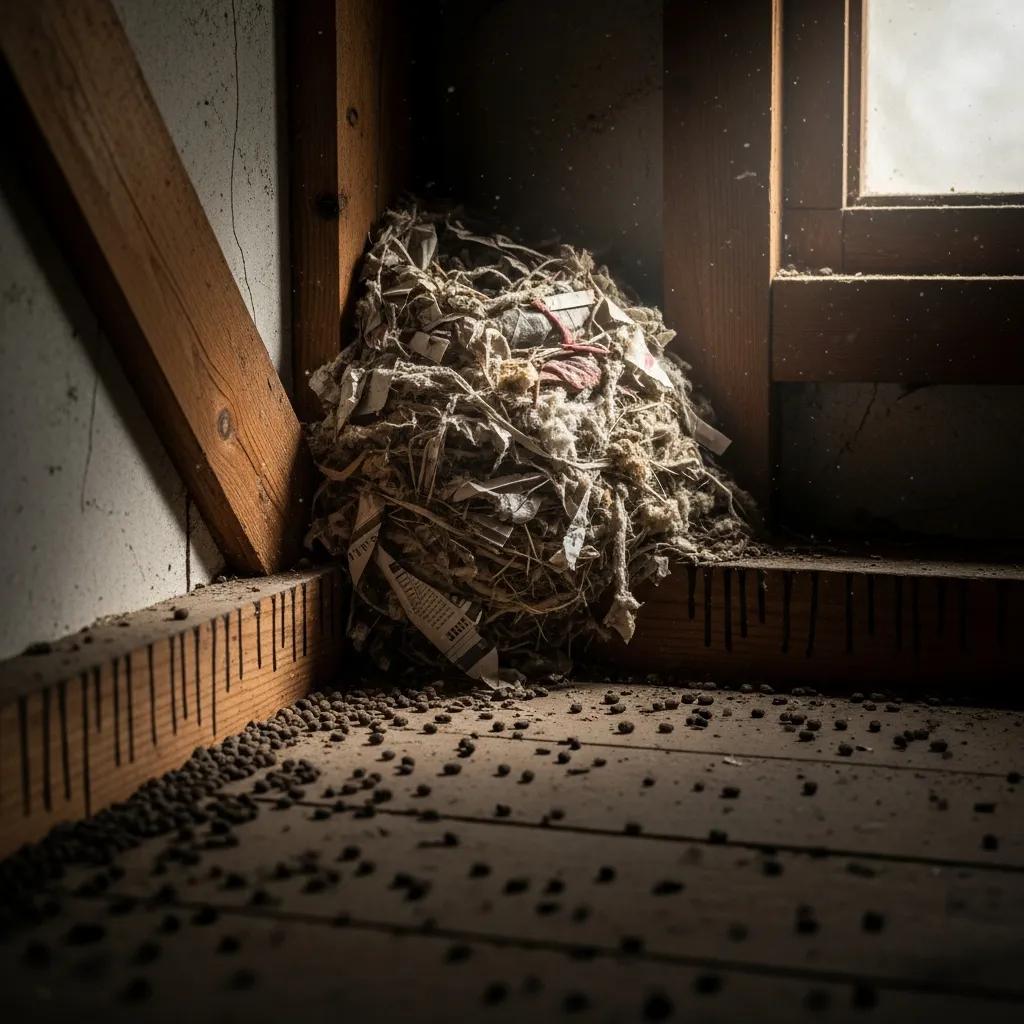
Secondary signs—musky urine odors, visible nests, and rub marks along runways—often signal established infestations because they result from territory marking, long-term nesting, and repeated use of the same pathways. A persistent, sweet-musky odor in enclosed spaces such as attics or behind cabinets typically indicates urine buildup and calls for careful investigation and professional cleanup, since disturbing nests can aerosolize contaminants. Rub marks appear as greasy, darkened streaks along baseboards or beams where rodents repeatedly brush against surfaces; these are reliable indicators of regular travel routes and potential entry points. Recognizing these subtle cues enables homeowners to combine evidence types and determine infestation severity before choosing control measures.
Before attempting cleanup, document odors and visible nests and follow safe handling advice to minimize exposure when professionals are scheduled.
| Evidence Type | Typical Source | What It Indicates |
|---|---|---|
| Musky Odor | Urine accumulation in enclosed spaces | Persistent infestation with multiple animals |
| Nest Materials | Shredded insulation, paper, fabric | On-site reproduction and sheltering |
| Rub Marks / Runways | Grease and fur deposition on repeated paths | Established travel corridors and entry points |
| Tracks & Footprints | Dust, flour-imprinted paths in low-traffic areas | Recent activity and movement patterns |
This table helps homeowners interpret secondary signs and prioritize response steps such as exclusion, sanitation, and professional remediation. Next, learn how to identify nests and what the presence of a musky odor specifically signals about infestation scale and risks.
How to Recognize Rodent Nests and Nesting Materials in Your Home
Rodent nests commonly use soft materials—shredded insulation, paper, fabric, and dried plant matter—assembled into compact, insulated chambers hidden in wall voids, attics, or behind stored boxes. Nests are often tucked into quiet, undisturbed areas away from light and human traffic, and they may contain hair, droppings, or concentrated food debris that signal breeding activity. When you find a nest, do not handle it directly; instead photograph the site, note access points, and share findings with a pest professional who can remove and disinfect safely. Recognizing these materials and locations helps technicians plan complete removal and remediation to prevent disease spread and recurring infestations.
What Does a Musky Odor Indicate About Rodent Presence?
A musky, ammonia-like odor typically arises from accumulated urine and droppings and correlates with infestation density and duration; the stronger and more pervasive the smell, the greater the likelihood of a sizable, long-standing population. Odor intensity helps prioritize action: faint, localized smells may respond to sanitation and exclusion, while widespread, strong odors suggest nests and contamination requiring professional cleanup and containment. Disturbing odor sources without protective gear can aerosolize pathogens, so ventilate areas if safe and avoid stirring insulation or nest material prior to professional removal. Addressing odor through professional remediation reduces health risks and the chance of reinfestation when combined with exclusion and habitat modification.
When Should You Contact Rodent Control Experts in Northern Virginia?
You should contact professional rodent control when multiple corroborating signs appear—such as fresh droppings, persistent nocturnal noises, gnawing on wiring, visible nests, or when pets show concentrated agitation—because these thresholds indicate active infestation and potential health or property hazards. Professionals provide systematic inspection, interior and exterior treatment plans, targeted exclusion work to seal access points, and remediation of contaminated materials, which together reduce recurrence. Bull Run Turf Care & Pest Control offers responsive rodent control services in Northern Virginia, including eco-friendly options, same day or next day interior and exterior treatments, and a satisfaction-backed approach for homeowners in Fairfax, Loudoun, and Prince William counties. Contacting a qualified service helps protect your family and property while ensuring repairs and sanitation follow integrated pest management practices.
Below are clear decision thresholds to guide whether to monitor or call a professional.
- Call a professional if you find fresh droppings in multiple rooms or near food storage.
- Call a professional if you hear regular nocturnal scratching localized to walls or attics.
- Call a professional immediately if you observe gnawing on electrical wiring or find visible nests.
These thresholds clarify actionable triggers and help homeowners prioritize safety and remediation steps; when in doubt, professional inspection prevents escalation and hidden damage.
Why Early Detection Matters for Health and Property Safety
Early detection reduces the risk of disease transmission from rodent-borne pathogens, lowers allergen exposure from dander and droppings, and prevents progressive structural damage such as chewed wiring and compromised insulation. Health agencies and pest management professionals emphasize that prompt removal and cleanup cut contamination spread, minimize repair costs, and reduce the window for reproduction that leads to larger infestations. Documenting early signs and arranging timely professional assessment protect indoor air quality and electrical safety while simplifying remediation. If you suspect contamination or see multiple indicators, arrange an inspection—professional intervention mitigates both health and property risks more effectively than delayed DIY attempts.
For urgent or complex cases, seeking professional inspection is the safest step because trained technicians combine exclusion, sanitation, and targeted treatments to address root causes and reduce recurrence.
How Bull Run Turf Care & Pest Control Provides Eco-Friendly, Same Day Rodent Control Services
Bull Run Turf Care & Pest Control serves Northern Virginia homeowners with a local, expert approach that emphasizes rapid response and environmentally conscious options; their service palette includes thorough inspections, interior and exterior treatments, exclusion recommendations, and prevention guidance. The company highlights same day or next day availability for urgent interior/exterior pest control needs and offers green, eco-friendly options for customers seeking lower-toxicity treatments. They also promote customer confidence through a satisfaction guarantee that supports follow-up visits and tailored prevention plans for Fairfax, Loudoun, and Prince William county properties. If professional inspection is recommended, their technicians can document findings, prioritize electrical or structural concerns, and advise on integrated steps to protect health and property while minimizing environmental impact.
This local expertise and responsiveness helps homeowners move from detection to resolution efficiently, limiting health risks and property damage with professional oversight and eco-conscious choices.