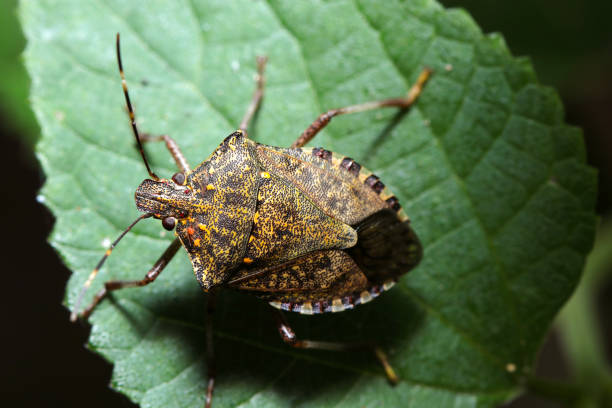
Key Takeaways
Stink bugs seek shelter indoors as temperatures drop. Fall is when homeowners typically notice the largest influx, as the insects search for warm places to overwinter. Sealing entry points is one of the most effective prevention strategies. Small gaps around windows, doors, and siding are the primary way stink bugs make their way inside. Once indoors, stink bugs can be difficult to remove without professional treatment. Their tendency to cluster in wall voids and attics makes DIY methods only partially effective.
Few pests are as recognizable, or as persistent, as the stink bug once fall arrives across Northern Virginia. Homeowners often notice a sudden increase in activity as these insects search for warm places to spend the winter, and understanding how they get inside is the first step toward keeping them out.
For many homeowners, the first sign is finding a handful of stink bugs on a sunny exterior wall on a warm fall afternoon, a pattern that tends to repeat and grow over the following weeks as the insects continue searching for a way inside.
Why Stink Bug Control Becomes a Priority Every Fall
Stink bug control typically becomes a pressing concern as temperatures begin to drop and these insects instinctively search for shelter to survive the winter months. Unlike pests that are active primarily in summer, stink bugs are most noticeable in fall as they cluster on exterior walls, particularly on the sunny side of a home, before working their way inside through small gaps and openings.
Once indoors, stink bugs don’t reproduce or cause structural damage the way some pests do, but their presence, and the odor they release when disturbed or crushed, makes them a significant nuisance for homeowners. Some homeowners report finding dozens of stink bugs in a single attic space by the time winter fully sets in, particularly in homes with older construction and more gaps around the roofline.
How Stink Bugs Find Their Way Indoors
Understanding the specific entry points stink bugs use is key to preventing them from getting inside in the first place.
Common Entry Points Around Windows and Siding
Stink bugs are skilled at finding even small gaps around window frames, door thresholds, siding seams, and utility penetrations where pipes or wires enter the home. These openings, often too small to notice without a close inspection, provide direct access to wall voids and attic spaces where stink bugs prefer to overwinter. A thorough exterior inspection often reveals several of these small gaps that a homeowner would never have noticed on their own.
Why They Cluster in Large Numbers
Stink bugs release pheromones that attract other stink bugs to the same overwintering site, which is why homeowners often find large clusters in one particular area of the home rather than a scattered few insects throughout. This clustering behavior can make an infestation feel far more overwhelming than the actual entry points might suggest, since a single small gap can end up funneling dozens of insects into the same section of an attic or wall void.
Stink Bug Pressure Across Northern Virginia Homes
Stink bug control Northern Virginia homeowners search for tends to spike during the fall transition period, though the underlying entry points that allow stink bugs inside are often present year-round without being noticed. Homes near wooded areas or agricultural fields, both common throughout the region, tend to see higher stink bug activity due to the insect’s preference for feeding on a wide variety of crops and plants before seeking shelter.
DIY Prevention vs. Professional Treatment
Homeowners often try sealing visible gaps and using vacuum removal for stink bugs that have already made it inside, and while these steps can help reduce numbers, they rarely address every entry point across a home’s exterior. Professional treatment typically includes a full exterior inspection to identify and seal less obvious entry points, along with perimeter treatments timed to intercept stink bugs before they make it inside in the first place.
Finding Stink Bug Control Near Me
When searching for stink bug control near me, homeowners should look for a provider that offers both exterior perimeter treatment and guidance on sealing entry points, since prevention tends to be more effective long-term than only addressing stink bugs after they’ve already entered the home. Timing matters as well, since treatment applied before the fall migration begins is generally more effective than waiting until large numbers are already clustering on exterior walls.
Why Older Homes Tend to See More Stink Bug Activity
Homes built before more modern sealing and insulation standards became common tend to have more small gaps and openings around windows, siding, and rooflines, all of which give stink bugs easier access. Settling over time can also widen small cracks that weren’t originally a concern when the home was first built, creating new entry points that homeowners may not be aware of.
A thorough exterior inspection on an older home often turns up several potential entry points a newer home simply wouldn’t have, which is part of why treatment plans for older properties sometimes involve more extensive sealing work in addition to standard perimeter pest treatment.
Frequently Asked Questions
Do stink bugs cause damage inside a home? Stink bugs don’t damage structures or reproduce indoors, but their presence and the odor released when they’re disturbed or crushed make them a significant nuisance during fall and winter months.
What time of year are stink bugs most active around homes? Stink bug activity typically increases in early to mid-fall as temperatures begin to drop and the insects search for overwintering sites, tapering off once cold weather fully sets in.
Can sealing gaps alone prevent a stink bug infestation? Sealing visible gaps helps, but stink bugs are skilled at finding small openings that are easy to miss, which is why a professional inspection combined with sealing often produces better results than sealing alone.
What Happens to Stink Bugs Indoors Over Winter
Once inside, stink bugs typically remain dormant in wall voids, attics, or other undisturbed spaces through the coldest months of winter. As temperatures rise briefly during a warm spell, or once indoor heating creates a consistently warm environment, stink bugs can become active again and start appearing inside living spaces, which is often when homeowners notice the problem most directly. This delayed emergence is part of why fall prevention, rather than winter reaction, tends to produce the best results.
Why Attic Inspections Matter Even Without Visible Activity
Because stink bugs often gather in attic spaces without homeowners noticing right away, a proactive attic inspection, even on a property with no obvious signs of activity, can catch a developing problem early. This is particularly useful heading into fall, before the insects have had a chance to fully establish in a wall void or attic space for the winter.
Bull Run Turf Care & Pest Control 4229 Lafayette Center Dr STE 1825, Chantilly, VA 20151, United States