Key Takeaways
- Spotted lanternflies can severely stress or kill trees and vines by feeding on sap and excreting honeydew that leads to sooty mold growth.
- Acting quickly after spotting an infestation limits the population before it spreads to neighboring trees and properties.
- A professional spotted lanternfly exterminator Chantilly targets every life stage, not just the visible adults, for longer-lasting control.
The Spotted Lanternfly Problem in Chantilly
The spotted lanternfly has become one of the most talked-about pest issues in Northern Virginia over the past several years, and Chantilly properties with mature trees, ornamental plants, or grapevines are especially at risk. Unlike many pests that primarily cause a nuisance, spotted lanternflies can genuinely damage or kill trees and other plants over time through the sheer volume of sap they extract.
How to Identify a Spotted Lanternfly
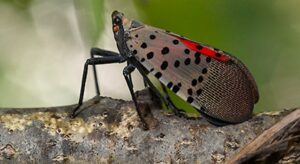
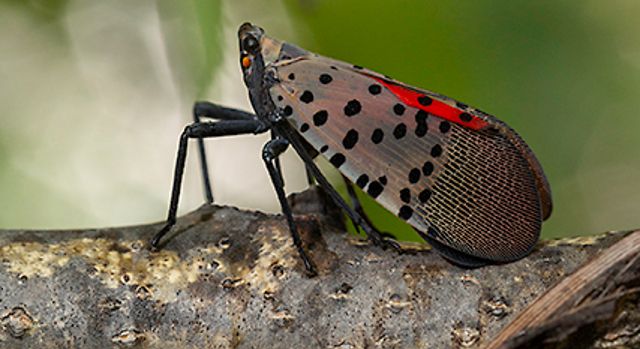
Adult spotted lanternflies are hard to miss once you know what to look for, with gray forewings dotted in black spots and bright red hindwings that show when they fly or jump. Younger nymphs look completely different, starting out black with white spots before developing red coloring as they mature. Egg masses, which are laid in fall and overwinter on tree bark, fences, and outdoor furniture, look like a grayish-brown smear rather than anything resembling an insect.
Why This Invasive Pest Spreads So Quickly
Spotted lanternflies are strong jumpers and can also travel long distances by laying eggs on vehicles, outdoor equipment, and other surfaces that get moved between properties. Because they have no natural predators in this region, populations can grow quickly once they establish on a property, especially near preferred host trees like tree-of-heaven.
What to Do the Moment You Spot an Infestation
If you spot adult lanternflies or egg masses on your property, the most useful immediate step is documenting where you’re seeing them and how many, since this helps a professional assess the scope of the infestation. Scraping visible egg masses into a bag of rubbing alcohol can reduce the population before it hatches, but this alone rarely solves an established infestation. Avoid using random over-the-counter insecticides without guidance, since improper application can be ineffective against lanternflies and potentially harmful to beneficial insects and pollinators.
Why Trees and Plants Are at Risk
Spotted lanternflies feed by piercing plant tissue and extracting sap in large volumes, which weakens trees and vines over time, particularly with repeated feeding across a season. As they feed, they excrete a sugary substance called honeydew, which coats leaves, branches, and anything beneath the tree, leading to the growth of black sooty mold. This mold can further block sunlight from reaching leaves, compounding the stress on an already weakened plant. Grapevines, maples, and black walnut trees are particularly vulnerable, though lanternflies will feed on a wide range of plant species.
How Professional Treatment Differs From DIY Methods
Professional treatment addresses the full life cycle rather than reacting to whichever stage happens to be visible at the moment. This typically means combining egg mass removal during dormant months with targeted treatments during the nymph and adult stages when the insects are most active and vulnerable to treatment. DIY approaches tend to focus only on visible adults, which does little to stop the next generation from hatching the following spring. A professional approach also considers which trees on a property are most at risk and prioritizes treatment accordingly, rather than treating the entire property uniformly.
Protecting Your Property Through the Season
Spotted lanternfly control isn’t a single treatment and done, it’s a seasonal commitment that tracks the pest through egg, nymph, and adult stages. Early fall and winter inspections focused on egg mass removal set the stage for lower populations the following year. Spring and summer monitoring catches nymphs and new adults before they can reproduce and spread further.
Given how quickly a small lanternfly population can grow into a serious infestation, many Chantilly homeowners search for a spotted lanternfly exterminator as soon as they notice the first signs on their property. If you’re trying to find help quickly, looking for a spotted lanternfly exterminator near me is usually the fastest way to get someone out to assess the extent of the problem.
FAQs
Can I get rid of spotted lanternflies myself? Basic steps like scraping egg masses can help, but a full infestation typically requires professional treatment that addresses multiple life stages across the season.
What time of year is spotted lanternfly treatment most effective? Treatment is most effective when it targets multiple stages, including egg mass removal in fall and winter, and treatment of nymphs and adults during spring through fall.
Are spotted lanternflies harmful to people or pets? Spotted lanternflies don’t bite or sting and aren’t considered a direct health risk to people or pets, but their feeding can seriously damage trees, plants, and outdoor surfaces coated in honeydew and sooty mold.
Bull Run Turf Care & Pest Control 4229 Lafayette Center Dr STE 1825, Chantilly, VA 20151, United States