Key Takeaways
Fall is when next year gets decided. The adults you’re seeing right now are busy laying eggs, and every egg mass left on a tree or fence this fall hatches into a fresh batch of lanternflies next spring.
Sticky bands and sprays only go so far. They knock down some adults, but they don’t touch the egg masses, and sticky bands have a bad habit of catching birds too.
Local, targeted treatment is what actually works. A team that knows Chantilly’s trees can find where lanternflies are feeding, treat at the right time, and get rid of the egg masses most people never spot.
If you’ve walked out onto your deck lately and found a line of gray, spotted bugs marching up your maple, you’re not imagining things. A lot of Chantilly homeowners are seeing the same thing this fall, and plenty of them are looking for a spotted lanternfly exterminator Chantilly residents can count on. Here’s why the timing matters so much. Those adults aren’t just feeding. They’re laying eggs on bark, fences, patio chairs, and pretty much anything that holds still, and each of those egg masses turns into a new wave of lanternflies come spring. We’re Bull Run Turf Care & Pest Control, a local team based right here in Chantilly, and we deal with these insects in our own neighborhoods every year. Let’s talk about what they are, why fall is your best shot at them, and what actually gets rid of them.
Why Spotted Lanternflies Are a Growing Problem in Chantilly
The spotted lanternfly is an invasive planthopper that came over from Asia. It feeds by poking into trees and plants and drinking the sap. One or two wouldn’t matter much, but they never show up in ones or twos. They gather by the dozens, and that kind of feeding stresses trees, weakens ornamental plants, and leaves a real mess behind.
That mess is honeydew. As lanternflies feed, they give off a sticky, sugary liquid that drips onto whatever is underneath them. Decks, patios, cars, grills, outdoor furniture, you name it. After a while, a black sooty mold starts growing on that honeydew, coating bark, leaves, and hard surfaces. It’s ugly, it’s sticky, and if you like spending fall evenings outside, it gets old fast.
The Trees and Plants They Target Most
Lanternflies have a clear favorite, and it’s the tree of heaven. It’s an invasive tree that pops up along roadsides, fence lines, and the edges of wooded lots, and if there’s one on or near your property, that’s probably where the lanternflies are gathering first.
They’ll happily feed on other trees too, including maples, black walnut, willows, and grapevines, all of which you’ll find in plenty of Chantilly yards. Homes near green spaces like Rocky Run Stream Valley Park and Ellanor C. Lawrence Park tend to see more of them, since wooded areas give them lots to eat and lots of places to hide. And when one tree runs dry, they just hop to the next one, which is how one infested yard ends up becoming the whole street’s problem.
Signs You Have a Spotted Lanternfly Infestation
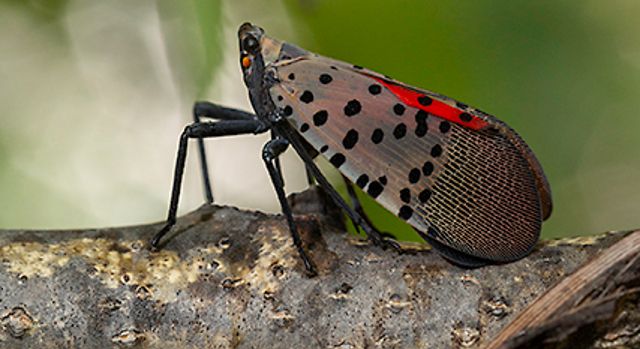
The easiest sign is the bugs themselves. Adults are about an inch long, with grayish wings covered in black spots, and when they jump or fly, you’ll see a flash of bright red underneath. In the fall, they like to line up along tree trunks in big groups.
Next, check the surfaces under your trees. If your deck rail feels tacky or your car looks oddly shiny, that’s honeydew. Black mold on bark, leaves, or the ground nearby points the same way. You might also notice more wasps, hornets, and bees buzzing around than usual. They love honeydew, and honestly, that extra stinging-insect traffic is what finally pushes a lot of people to pick up the phone.
Why Fall Is the Most Important Time to Act
Lanternflies only live for one season. They show up as adults in summer, eat as much as they can, and then spend late summer into early winter laying eggs. Once the cold really sets in, the adults die off. The eggs don’t. They sit tight through winter and hatch into nymphs in the spring.
Each egg mass looks a bit like a smear of gray mud or dried putty, and one mass can hold dozens of eggs. So every mass you leave behind this fall is basically a small army waiting for May. Knocking down adults now means fewer eggs get laid, and scraping off the masses that are already there cuts next year’s numbers before they even get started. Wait until you see nymphs in spring, and you’re playing catch-up on a problem that could’ve been a lot smaller.
Where Egg Masses Hide Around Your Home
Lanternflies aren’t fussy about where they lay eggs. Tree bark is the most common spot, but you’ll also find masses on stones, fences, sheds, patio furniture, grills, play sets, firewood, and even cars that stay parked outside. They like the undersides of branches and little crevices where they’re hard to see.
That’s the tricky part. Fresh egg masses look gray and a little glossy, then dry out and crack until they look like old mud. They blend right into bark and weathered wood, so most people walk past them without a second look. Finding them takes a trained eye and a slow, careful walk around the property.
Why DIY Methods Often Fall Short
Most folks try handling lanternflies on their own first, and that makes sense. Sticky bands around tree trunks are popular, but they only catch some of the bugs, and they can trap birds, small animals, and helpful insects by accident. Store-bought sprays kill the adults they hit, but they don’t do a thing about the egg masses that matter most for next year. Stomping and swatting feels good, but it barely makes a dent.
The real issue is timing and aim. A good spotted lanternfly exterminator knows which trees are drawing them in, which life stage to go after at each point in the season, and how to scrape and destroy egg masses so they can’t hatch. Put those together, and you’re not just fighting the same battle every fall. You’re actually shrinking the problem year over year.
How Bull Run Turf Care & Pest Control Treats Spotted Lanternflies
We always start by walking your property. We look for host trees, figure out where the adults are hanging out, and check bark, fences, furniture, and anything else that might be hiding egg masses. That first look tells us where the pressure is coming from and how to plan around it.
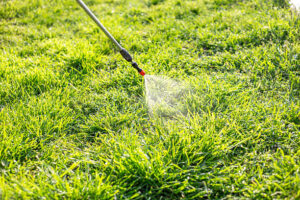
Then we treat, and we time it to where the lanternflies are in their life cycle, focusing on the trees and spots where they feed and gather. In the fall, finding and removing egg masses is a big part of the job, since every one we destroy is one less batch hatching in spring. Before we leave, we’ll tell you what we found and what we did, so you’re not left guessing.
We can usually get out to you the same day you call. Every visit comes with our 100% satisfaction guarantee, and if the bugs come back between visits, we’ll return within 48 hours to take care of it. If you’d like steady, ongoing protection, our Perimeter Pest Control plan runs $32.99 a month and includes four visits a year, so you’re covered as the seasons change.
Serving Chantilly Neighborhoods and Beyond
Our office is right here in Chantilly, and we work in neighborhoods like Sully Station, Brookfield, Greenbriar, Chantilly Highlands, and Poplar Tree all the time. We also cover the rest of Fairfax and Loudoun Counties, so if your neighbors are fighting the same bugs, we can help them too.
Finding a Spotted Lanternfly Exterminator Near Me
When you type spotted lanternfly exterminator near me into your phone, you want more than a random name on a list. A local company can get to you faster, often that same day. A local crew also knows Chantilly’s trees and how the seasons play out here, which shapes when and where treatment does the most good. And if lanternflies drift back in from next door, someone close by can swing back quickly instead of squeezing you into a schedule that covers half the state.
There’s something to be said for hiring people who live and work in the same community you do. We care how the neighborhood looks because it’s our neighborhood too.
Get Ahead of Next Spring’s Lanternflies Today
The egg masses going onto Chantilly trees and fences right now will decide how many lanternflies you’re dealing with next year. Getting an inspection on the calendar this fall is the easiest way to break that cycle. Give us a call at 571-430-5697. We’re in the office from 9:00 AM to 5:00 PM, and we’d be glad to come take a look.
Frequently Asked Questions
Are spotted lanternflies harmful to people or pets?
No, they don’t bite or sting, and they aren’t known to be dangerous to people or pets. The damage is to your trees and plants, plus the sticky honeydew and black mold they leave on decks, patios, and furniture. The wasps and bees that show up for the honeydew can make your yard a lot less pleasant, though.
Can I just scrape off the egg masses myself?
You can, and it does help. Scrape them into a bag or container with rubbing alcohol or hand sanitizer to kill the eggs. The hard part is finding all of them, since they blend in with bark and often sit high up on branches or tucked under limbs. A professional inspection catches the ones you’d likely miss.
How long does spotted lanternfly treatment take?
For most Chantilly homes, the inspection and treatment get done in a single visit. Because lanternflies can wander over from neighboring yards, a lot of homeowners stick with ongoing visits through our Perimeter Pest Control plan to keep them in check as the seasons change.
Bull Run Turf Care & Pest Control 4229 Lafayette Center Dr STE 1825, Chantilly, VA 20151, United States