
Key Takeaways
Tick exposure is closely tied to specific yard conditions. Tall grass, leaf litter, and wooded edges create the environment ticks need to come into contact with people and pets. Different tick species carry different health risks. Understanding which ticks are common in the region helps inform both prevention and what to watch for after potential exposure. Professional treatment combined with yard maintenance offers the most reliable protection. Neither approach alone tends to be as effective as using both together.
Tick-borne illness is a genuine health concern for families throughout Leesburg, particularly in yards bordering wooded areas or open space where ticks are more likely to establish. Reducing exposure starts with understanding where ticks live in a yard and what steps actually reduce the risk of contact.
Why Tick Control Is a Health Priority in Leesburg
Tick control Leesburg homeowners prioritize often stems from direct concern about tick-borne illness, since ticks in this region can carry pathogens that pose real health risks to both people and pets. Because ticks are most active in areas with tall grass, leaf litter, and brush, yards bordering wooded lots or open space, common throughout much of Leesburg, tend to see higher tick activity than more open, well-maintained properties.
Addressing tick populations directly in the yard is an important complement to personal prevention measures like tick checks after outdoor activity, since reducing the number of ticks present in the first place lowers the odds of any single outdoor excursion resulting in a bite.
Understanding Tick-Borne Illness Risk in Virginia
Knowing which ticks are common in the region, and when they’re most active, helps homeowners understand what they’re protecting against.
Common Tick Species in the Region
Several tick species are found throughout Northern Virginia, each associated with different potential health risks. Because tick identification can be difficult without close inspection, professional yard treatment that reduces overall tick populations tends to be more practical than trying to identify and avoid specific species individually, particularly for families with young children or pets that spend significant time outdoors.
Peak Activity Seasons
While many people associate ticks primarily with summer, some species remain active into fall and even during mild winter periods, meaning exposure risk isn’t limited to just the warmest months of the year. This extended activity window is part of why season-long prevention tends to be more effective than treatment concentrated only during peak summer, particularly given how variable winter temperatures have become in recent years.
How Professional Tick Control Reduces Exposure
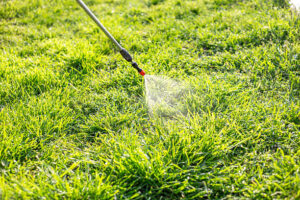
A professional tick control treatment typically targets the specific areas of a yard where ticks are most likely to be present, including grassy edges, wooded borders, and areas with leaf litter or brush. By reducing the overall tick population in these zones, treatment lowers the likelihood of contact during normal yard use, complementing personal prevention measures rather than replacing them entirely.
Simple Yard Habits That Support Treatment
Keeping grass mowed, clearing leaf litter and brush, and creating a clear buffer zone between wooded areas and frequently used parts of the yard all help reduce the habitat ticks rely on. These habits work alongside professional treatment to further reduce exposure risk, particularly in yards that border natural areas where a fully tick-free environment isn’t realistic.
Finding Tick Control Near Me
Homeowners searching for tick control near me should look for a provider that treats the yard’s high-risk zones specifically, rather than applying a single generic treatment across the entire property. Asking how often treatment is reapplied throughout the season, and whether the plan accounts for tick activity outside of peak summer months, can help homeowners gauge how comprehensive the protection will actually be.
Why Yard Layout Influences Tick Risk
The specific layout of a yard plays a significant role in how much tick exposure a family actually experiences day to day. A yard with a clearly defined lawn area separated from wooded or overgrown sections by a mulch or gravel border tends to see less tick migration into frequently used space compared to a yard where lawn blends gradually into taller vegetation. This kind of border, sometimes just a few feet wide, creates a dry, sun-exposed buffer that ticks generally avoid crossing, making it a useful complement to professional treatment for properties bordering natural areas.
Frequently Asked Questions
What should I do if I find a tick on myself or a family member? Remove the tick promptly using fine-tipped tweezers, grasping it as close to the skin as possible, and monitor the area for any signs of rash or illness in the following weeks, consulting a doctor if symptoms develop.
How close to wooded areas does tick treatment need to reach? Treatment typically focuses on the transition zone between maintained yard space and wooded or overgrown areas, since this is where ticks are most likely to come into contact with people and pets moving through the property.
Does tick control treatment affect other beneficial insects? Products used in tick control are generally targeted at ground-level pest activity in specific zones, though homeowners with concerns about pollinators or other beneficial insects should discuss specific product details with their provider.
Educating Family Members on Tick Prevention Habits
Alongside professional yard treatment, teaching family members, particularly children, simple prevention habits adds another layer of protection. Wearing long pants tucked into socks when walking through tall grass or wooded edges, showering soon after outdoor activity, and doing a quick visual check after time spent in high-risk areas all reduce the chances of an unnoticed tick attaching for an extended period, which is generally when the risk of disease transmission increases most significantly.
When to Involve a Doctor After a Tick Bite
While most tick bites don’t lead to illness, certain symptoms warrant medical attention, including a rash, particularly one that expands over several days, along with fever, fatigue, or joint pain appearing in the weeks following a bite. Keeping a general note of when and where a bite occurred can be useful information to share with a doctor if symptoms do develop, since it helps establish a timeline for any necessary follow-up care.
Bull Run Turf Care & Pest Control 4229 Lafayette Center Dr STE 1825, Chantilly, VA 20151, United States