Key Takeaways
- Ashburn properties with mature trees, vines, or ornamental plants face significant risk from spotted lanternfly feeding damage.
- Recognizing honeydew and sooty mold on trees and outdoor surfaces is often the first sign of an active infestation.
- A trained spotted lanternfly exterminator targets the pest across its full life cycle rather than reacting only to visible adults.
The Spotted Lanternfly Threat in Ashburn
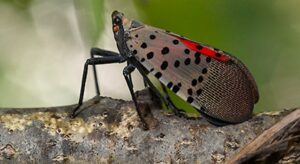
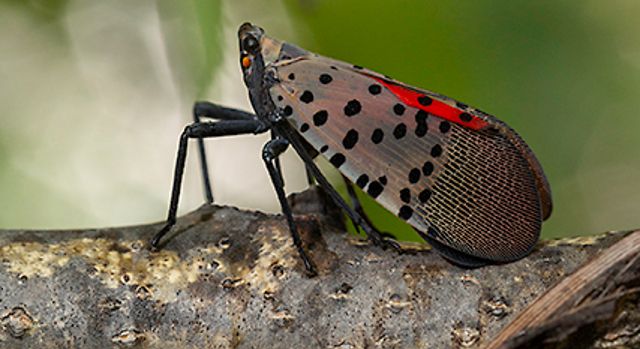
Ashburn has seen growing spotted lanternfly activity in recent years, consistent with the broader spread of this invasive species across Northern Virginia. Properties with mature landscaping, particularly those with tree-of-heaven, maples, or grapevines, tend to see the highest concentration of activity, since these plants are preferred feeding sources for the pest.
Identifying an Infestation on Your Property
Spotting an infestation early gives homeowners a much better chance of controlling the population before it spreads across the property or into neighboring yards.
Trees and Plants Most Commonly Targeted
Tree-of-heaven is the spotted lanternfly’s preferred host and often serves as the initial point of infestation on a property, though the pest will readily feed on a wide range of other trees and plants once established. Grapevines are particularly vulnerable, since heavy feeding can significantly weaken or kill the vine over successive seasons.
Signs of Sooty Mold and Honeydew Damage
As spotted lanternflies feed, they excrete a sugary substance called honeydew, which coats leaves, branches, outdoor furniture, and anything positioned beneath an infested tree. Over time, this honeydew promotes the growth of black sooty mold, which can be one of the more visible early indicators of an infestation even before the insects themselves are easily spotted.
What to Do Before Professional Treatment Arrives
Documenting where lanternflies are most concentrated on the property helps a professional prioritize treatment efficiently. Scraping and destroying any visible egg masses reduces the population that would otherwise hatch the following spring. Avoiding random pesticide applications without guidance is important, since improper treatment can be ineffective and potentially harmful to pollinators and other beneficial insects in the area.
How Professional Extermination Works
Professional treatment for spotted lanternflies typically combines several approaches depending on the season and life stage present. During dormant months, this means locating and treating egg masses before they hatch. During the growing season, treatment shifts to targeting nymphs and adults directly, often prioritizing the specific trees and plants that are showing the heaviest feeding activity. This layered, season-aware approach tends to produce more lasting control than a single treatment focused only on whatever life stage happens to be visible at the time of the visit.
Preventing Reinfestation Season After Season
Because spotted lanternflies can migrate in from neighboring properties, even a well-treated yard can see new activity the following season if surrounding areas remain untreated. Ongoing monitoring, particularly around preferred host trees, helps catch new activity early before it has a chance to establish into a larger population.
Ashburn homeowners dealing with visible lanternfly activity often search for a spotted lanternfly exterminator ashburn provider who understands the seasonal treatment approach this pest requires. If you’re trying to get help quickly, searching spotted lanternfly exterminator near me is typically the fastest way to reach a local provider who can assess the property.
FAQs
How quickly can a spotted lanternfly infestation spread on my property? Populations can grow quickly within a single season, particularly if preferred host trees like tree-of-heaven are present, which makes early treatment important.
Will treating my trees harm other plants or pollinators nearby? Professional treatment is applied with consideration for surrounding vegetation and pollinators, which is one of the key reasons professional guidance is preferable to unguided pesticide use.
Do I need treatment if I don’t see adult lanternflies yet? Yes, since egg masses and nymphs may already be present even before adults become visible, and treating earlier stages tends to be more effective than waiting for adults to appear.
Bull Run Turf Care & Pest Control 4229 Lafayette Center Dr STE 1825, Chantilly, VA 20151, United States