Key Takeaways
Not all spotted lanternfly treatments produce the same results. Timing, application method, and whether egg masses are addressed all significantly affect how well a treatment works. A season-long approach outperforms a single treatment. Because spotted lanternflies move through multiple life stages, ongoing treatment tends to be far more effective than a one-time application. Chantilly’s specific tree cover shapes the right control strategy. Identifying which host trees are present on a property helps determine where treatment should be focused.
Homeowners across Chantilly have tried a wide range of approaches to control spotted lanternflies, with mixed results. Understanding what actually works, and why some methods underperform, can save time and prevent an infestation from returning season after season. The gap between a treatment that produces lasting results and one that offers only temporary relief often comes down to a handful of specific factors that aren’t always obvious without professional guidance.
The State of Spotted Lanternfly Control in Chantilly
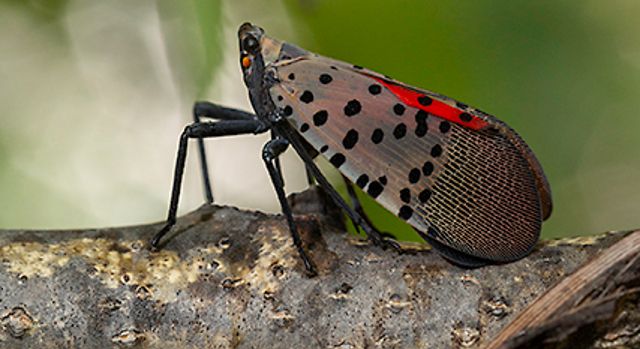
Spotted lanternfly control Chantilly properties need has evolved significantly as the pest has become more established throughout the region. Early on, many homeowners relied on simple methods like sticky bands or manual squashing, which can reduce numbers temporarily but rarely address the full scope of an infestation, particularly once egg masses have already been laid across multiple trees or structures.
As the pest’s presence has grown, more homeowners are turning to structured, professional treatment plans that address the problem across its full life cycle rather than reacting to visible adults alone. This shift reflects a broader understanding that spotted lanternfly control is less about a single decisive action and more about an ongoing management process spread across the calendar year.
Why Some Treatments Underperform
Understanding where common approaches fall short helps explain why a more structured strategy tends to produce better results.
Timing Mistakes Homeowners Make
Treating spotted lanternflies only when adults become visible in late summer means missing the earlier window when nymphs are more vulnerable and egg masses from the previous fall haven’t yet hatched. This reactive approach often results in dealing with the same population issue again the following year, since the eggs that will produce next season’s insects are never addressed. Homeowners who wait until the problem is fully visible are, in effect, always one step behind the pest’s actual life cycle.
Treating Symptoms Instead of the Source
Focusing solely on visible insects on siding or patios, rather than the host trees where the population is actually breeding, tends to produce short-term relief without addressing the underlying source. Trees like Tree of Heaven often serve as the anchor point for a larger infestation, and treatment that ignores these host plants tends to see populations rebound quickly, sometimes within just a few weeks of an initial treatment that seemed successful at first.
Treatment Options That Actually Work
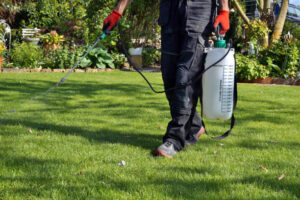
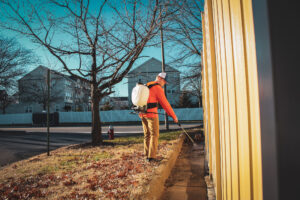
Effective spotted lanternfly control typically combines several methods rather than relying on a single approach. Systemic tree treatments, which trees absorb and distribute internally, can address feeding insects directly at the source, while trunk banding helps intercept nymphs climbing up from the ground. Manual removal and treatment of egg masses during fall and winter further reduces the population before it has a chance to hatch the following spring.
Combining these methods rather than choosing just one tends to produce noticeably more durable results, since each approach addresses a different stage or behavior in the insect’s overall life cycle.
What an Effective Season-Long Control Plan Looks Like
Rather than a single visit, a season-long plan typically includes an initial assessment to identify host trees and existing egg masses, followed by treatments timed to intercept nymphs in spring, address adult feeding activity through summer, and remove or treat egg masses in fall before winter sets in. This kind of ongoing approach accounts for the pest’s full life cycle rather than only responding when populations are most visible.
Finding Spotted Lanternfly Control Near Me
When searching for spotted lanternfly control near me, homeowners should ask specifically about a provider’s approach across the full season, not just during peak visible infestation months. A provider who addresses egg masses and early nymph stages, in addition to visible adults, is generally better positioned to produce lasting results rather than a temporary reduction in numbers.
Why Some Properties See Faster Results Than Others
Not every property responds to spotted lanternfly control at the same rate, and understanding why can help set realistic expectations. Properties with fewer host trees, better isolation from wooded or undeveloped land, and earlier intervention before the population became fully established tend to see faster, more complete reductions in activity. Properties bordering heavily infested wooded areas or agricultural land, on the other hand, often continue to see some level of reinfestation regardless of how thoroughly the property itself is treated, simply due to the insect’s mobility.
Recognizing this distinction helps homeowners evaluate their own results more fairly, since a property near a major host tree population may still be considered a treatment success even if some ongoing activity remains, as long as the overall population trend is clearly declining season over season.
Frequently Asked Questions
Is manual removal of spotted lanternflies effective on its own? Manual removal can help reduce visible numbers temporarily, but it doesn’t address egg masses or insects in less accessible areas, making it most effective when combined with broader treatment methods.
How long does it take to see a reduction in spotted lanternfly activity after treatment? Some reduction can be noticeable within days of treatment, though fully controlling a population, particularly one that’s been established for multiple seasons, often takes an ongoing plan spanning the full year.
Do all trees on a property need to be treated? Not necessarily, but identifying which trees are serving as active host or feeding sites is important, since treating only some trees while leaving preferred host species untreated can allow the population to persist.
Evaluating Results After the First Season of Treatment
Homeowners completing their first full season of structured spotted lanternfly control should expect a noticeable but not necessarily complete reduction in activity. Because reinfestation from untreated neighboring properties remains a realistic factor, the first season is often best understood as establishing a strong baseline rather than a permanent solution. Reviewing what worked well, and where activity persisted despite treatment, helps refine the plan for the following year and often leads to a lighter, more targeted maintenance schedule going forward.
What to Do if Reinfestation Occurs After Treatment
Even with a thorough treatment plan, some level of reinfestation from nearby untreated properties is a realistic possibility given how easily spotted lanternflies travel. Homeowners noticing renewed activity after a previously successful treatment season shouldn’t view this as a failure of the original plan, but rather as an expected part of managing a regional pest. Reporting new activity promptly allows a provider to address it while the population is still small, rather than waiting until it has a chance to fully re-establish.
Bull Run Turf Care & Pest Control 4229 Lafayette Center Dr STE 1825, Chantilly, VA 20151, United States