
Key Takeaways
Rodents often go unnoticed until an infestation is already established. Small signs like droppings or gnaw marks are frequently the first clue, well before rodents are seen directly. Sealing entry points is essential for long-term control. Without addressing how rodents are getting in, trapping alone tends to provide only temporary relief. Rodent activity tends to increase in fall and winter. As temperatures drop, mice and rats actively seek warm, sheltered spaces indoors, making this a particularly important season for prevention.
Rodents are among the most common, and most easily overlooked, pests homeowners deal with. Because mice and rats are naturally cautious and tend to be active at night, many homeowners don’t realize they have a problem until they notice droppings, gnaw marks, or sounds coming from walls or the attic, often well after the rodents have already settled into a comfortable nesting area.
Why Rodent Control Is a Year-Round Concern in Chantilly
Rodent control Chantilly homeowners need often becomes most urgent in fall and winter, as mice and rats actively search for warm, sheltered spaces to survive the colder months. However, rodent activity isn’t strictly seasonal, and properties with easy access points or attractive food sources can experience issues at any time of year, making ongoing awareness important rather than only addressing the problem when it becomes obvious.
Chantilly’s mix of wooded areas and residential development gives rodents ample opportunity to move between outdoor habitats and nearby homes, particularly as temperatures begin to drop and outdoor food sources become scarcer heading into winter.
Early Signs Mice or Rats Have Moved In
Recognizing the early indicators of rodent activity can help homeowners address a problem before it becomes a larger infestation.
Droppings, Gnaw Marks, and Nesting Material
Small, dark droppings near food storage areas, along the edges of rooms, or in attics and basements are often the first sign of rodent activity. Gnaw marks on wood, wiring, or packaging, along with shredded paper or fabric used for nesting material, are additional indicators that rodents have established a presence somewhere in the home. Chewed wiring in particular is worth taking seriously, since it can create a fire hazard in addition to the direct pest concern.
Sounds in Walls, Attics, and Crawl Spaces
Scratching, scurrying, or gnawing sounds coming from walls, ceilings, or crawl spaces, particularly at night when rodents are most active, are a common way homeowners first realize they have a problem, even before finding any visible physical evidence. These sounds tend to be most noticeable in quiet rooms at night, which is often when homeowners first suspect something is amiss.
How Professional Rodent Control Differs From DIY Traps
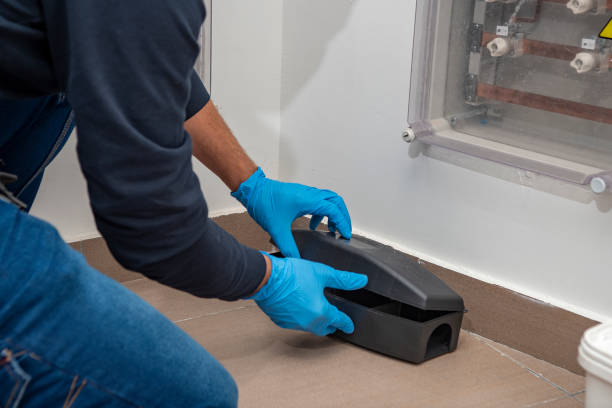
Homeowners often start with store-bought traps or bait stations, and while these can catch individual rodents, they rarely address the full scope of an infestation or the entry points allowing new rodents to continue getting inside. A professional rodent control approach typically includes a thorough inspection to identify entry points, nesting areas, and the extent of activity, followed by a treatment plan that addresses both existing rodents and the conditions allowing them access in the first place.
Sealing Entry Points to Prevent Future Infestations
Because mice can fit through openings as small as a quarter inch, and rats through openings slightly larger, sealing potential entry points is one of the most important steps in preventing rodents from returning after initial treatment. Common access points include gaps around utility lines, foundation cracks, vents, and areas where the roofline meets exterior walls, all of which should be inspected and addressed as part of a complete rodent control plan.
Finding Rodent Control Near Me
Homeowners searching for rodent control near me should look for a provider that addresses both current activity and long-term prevention, rather than simply setting traps without identifying how rodents are gaining access. Asking whether entry point sealing is included as part of the service can help homeowners understand whether the plan addresses the root cause or only the immediate symptoms.
Why Fall Inspections Are Worth Scheduling in Advance
Because rodent activity increases sharply as temperatures drop, scheduling an inspection before the fall rush, rather than waiting until signs of activity appear, gives homeowners a meaningful head start. An inspection conducted in late summer or early fall can identify and seal vulnerable entry points before rodents begin actively searching for winter shelter, often preventing a problem from developing in the first place rather than addressing it after rodents have already moved in.
This kind of proactive scheduling also tends to be less disruptive than emergency service once an infestation is already underway, since it allows time for a more thorough, unhurried inspection rather than a rushed response to an active problem.
Frequently Asked Questions
How can I tell if I have mice or rats? Droppings size and shape can help differentiate the two, with mouse droppings being smaller and more pointed, while rat droppings are larger and more rounded. A professional inspection can confirm which rodent is present based on droppings, gnaw marks, and entry point size.
Why do rodents seem to be more active in fall and winter? As outdoor temperatures drop, rodents instinctively seek warm, sheltered environments to survive the colder months, making homes and other structures particularly attractive during this time of year.
Is it enough to just set traps without sealing entry points? Traps can help address rodents that are already inside, but without sealing the openings that allowed access in the first place, new rodents are likely to continue entering the home over time.
Why Garages and Storage Areas Deserve Extra Attention
Garages, sheds, and storage areas often receive less regular attention than main living spaces, making them attractive, low-disturbance environments for rodents to nest undetected. Stored boxes, seasonal decorations, and clutter provide both shelter and nesting material, while these spaces frequently have more gaps and less sealed construction than the main house. Including these areas in a rodent inspection, rather than focusing exclusively on the home’s interior living spaces, often reveals activity that would otherwise go unnoticed for months.
Coordinating Rodent Control With Seasonal Home Maintenance
Rodent prevention tends to work best when it’s coordinated with other seasonal home maintenance tasks, such as gutter cleaning, roof inspections, and exterior caulking. Many of the same small gaps and openings that lead to water intrusion or energy loss also serve as rodent entry points, meaning addressing these issues together, rather than as separate projects, often closes multiple vulnerabilities at once.
Bull Run Turf Care & Pest Control 4229 Lafayette Center Dr STE 1825, Chantilly, VA 20151, United States