Key Takeaways:
- Pre-emergent should be applied based on soil temperature, not a fixed calendar date, typically in early spring and again in early fall.
- Missing the application window by even a couple of weeks can significantly reduce its effectiveness against weeds like crabgrass.
- Professional timing and application produce more consistent results than guessing based on the season alone.
Pre-emergent weed control is one of the most effective tools for keeping a lawn weed-free, but only if it’s applied at the right time. Apply it too early, and the product can break down before weeds even begin to germinate. Apply it too late, and weeds may have already sprouted, making the treatment essentially useless for that season. Unlike many lawn care tasks, pre-emergent timing isn’t about the calendar date so much as it is about soil conditions, which makes it one of the trickiest treatments for homeowners to get right on their own.
This article breaks down exactly when pre-emergent should be applied, what determines the right timing, and why professional application tends to produce far more reliable results.
What Is Pre-Emergent and How Does It Work?
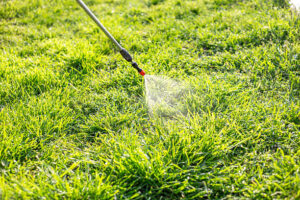
Pre-emergent herbicide works by creating a chemical barrier in the top layer of soil that prevents weed seeds from successfully germinating. Unlike post-emergent treatments, which kill weeds that are already visible and growing, pre-emergent products work proactively, stopping the problem before it ever breaks the surface.
Because of how it works, pre-emergent is only effective if it’s applied before weed seeds germinate. Once weeds have already sprouted, the barrier created by pre-emergent products no longer has any effect on them, which is why timing is the single most important factor in whether this treatment actually works.
Why Soil Temperature Matters More Than Calendar Dates
Weed seeds, particularly crabgrass, germinate based on soil temperature rather than a specific date on the calendar. This means the ideal application window can shift slightly from year to year depending on weather patterns, which is why relying on “last year’s date” or a generic nationwide guideline often leads to mistimed applications.
When Should Pre-Emergent Be Applied?
For most lawns in this region, pre-emergent is typically applied twice a year: once in early spring before soil temperatures rise enough for weed seeds to germinate, and again in early fall to prevent cool-season weeds from establishing before winter.
The spring application window generally falls before soil temperatures sustain levels that trigger crabgrass germination, which often means application needs to happen earlier than many homeowners expect, sometimes before the lawn even shows obvious signs of spring growth. Waiting until you see weeds, or even until the grass starts actively growing, often means the window has already closed.
Common Timing Mistakes Homeowners Make
One of the most common mistakes is applying pre-emergent based on visible lawn green-up rather than soil temperature. By the time grass is visibly growing and the weather feels consistently warm, weed seeds may have already begun germinating, which significantly reduces the treatment’s effectiveness. Another common mistake is skipping the fall application altogether, which leaves the lawn vulnerable to cool-season weeds that establish through winter and become a bigger problem by spring.
What Happens If Pre-Emergent Is Applied at the Wrong Time?
Mistimed pre-emergent applications are one of the most common reasons homeowners feel like weed control “doesn’t work,” when in reality, the product simply wasn’t applied during its effective window.
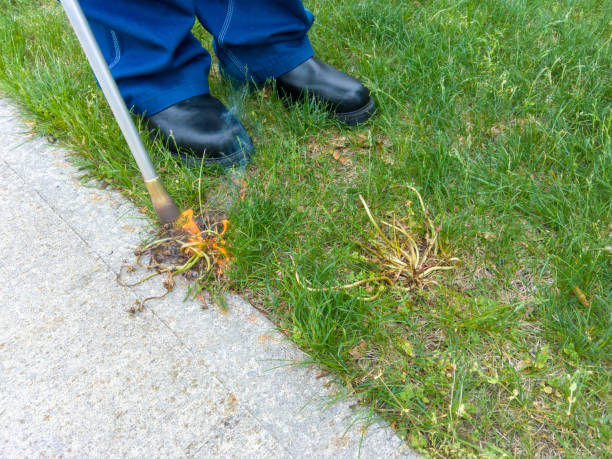
If applied too early, the herbicide barrier can begin breaking down in the soil before weed seeds are ready to germinate, leaving the lawn unprotected by the time conditions are actually right for weeds to sprout. If applied too late, after weeds have already started growing, pre-emergent has no effect on existing weeds at all, meaning a separate post-emergent treatment becomes necessary to address what’s already there.
Why a Single Missed Window Can Affect the Whole Season
Because pre-emergent is typically only applied once or twice per year, missing the correct window doesn’t just delay treatment, it can mean an entire season of vulnerability to weed growth. This is part of why precise timing matters so much more for pre-emergent compared to other lawn treatments that can be reapplied more frequently throughout the year.
Why Professional Application Produces Better Results
Professional lawn care providers track regional soil temperature data and local weather patterns to determine the optimal application window each year, rather than relying on a fixed date. This level of precision is difficult to replicate without specialized monitoring, which is one of the main reasons professional pre-emergent weed control tends to outperform DIY timing guesses.
Professional application also ensures the product is applied at the correct rate and evenly across the lawn, both of which significantly affect how well the treatment performs. Uneven application can leave gaps in coverage, giving weeds an opportunity to establish in untreated areas even when the timing was otherwise correct.
What’s Included in a Professional Pre-Emergent Service
A typical professional pre-emergent treatment plan includes:
- Soil temperature monitoring to determine optimal application timing
- Calibrated, even application across the entire lawn
- Spring and fall treatments aligned with regional weed germination cycles
- Coordination with post-emergent treatments for any existing weeds
- Follow-up monitoring throughout the season
Getting the Timing Right for Your Chantilly Lawn
Soil temperature patterns and common weed pressures vary by region, which means pre-emergent weed control Chantilly homeowners need is best handled by a provider familiar with local seasonal conditions rather than generic, nationwide timing guidelines. A local provider can track conditions specific to the area and apply treatment during the exact window when it will be most effective.
Schedule Your Pre-Emergent Treatment
If you’re unsure whether your lawn’s pre-emergent window has already passed, or you want to make sure next season’s application is timed correctly, the best step is scheduling an assessment with a provider who tracks local soil conditions rather than relying on guesswork.
For homeowners searching for pre-emergent weed control near me, reaching out ahead of the spring or fall application window ensures your lawn gets protected before weed seeds have a chance to germinate.
Frequently Asked Questions
How do I know when to apply pre-emergent?
Pre-emergent should be applied based on soil temperature, typically in early spring before soil sustains temperatures that trigger weed germination, and again in early fall for cool-season weeds.
What happens if I apply pre-emergent too late?
If weeds have already germinated, pre-emergent will have no effect on them, and a post-emergent treatment will be needed instead to address existing weed growth.
Do I need both spring and fall pre-emergent applications?
Yes, most lawns benefit from both. Spring applications target warm-season weeds like crabgrass, while fall applications help prevent cool-season weeds from establishing before winter.
Bull Run Turf Care & Pest Control
4229 Lafayette Center Dr STE 1825, Chantilly, VA 20151, United States