Key Takeaways:
- Perimeter pest control creates a treated barrier around your home’s foundation, stopping pests before they ever get inside.
- A thorough service includes inspection, foundation treatment, and landscaping treatment, not just a single exterior spray.
- Recurring quarterly treatments are necessary to maintain protection as seasonal pest activity changes throughout the year.
When most homeowners think about pest control, they picture treating bugs after spotting them indoors. Perimeter pest control flips that approach, focusing on prevention by treating the exterior of your home before pests ever have the chance to enter. But what does that actually involve in practice? It’s more than a quick spray around the foundation. A thorough perimeter service includes several coordinated steps designed to identify entry points, treat common pest pathways, and maintain protection across changing seasons.
This article breaks down exactly what’s typically included in a professional perimeter pest control service and why it’s considered one of the most effective long-term strategies for keeping pests out of your home.
What Is Perimeter Pest Control?
Perimeter pest control refers to treatments applied specifically around a home’s exterior, targeting the foundation, entry points, and the immediate landscaping surrounding the structure. Rather than waiting for pests to show up indoors and treating the problem reactively, this approach creates a protective zone that pests must cross before reaching your living space, significantly reducing the likelihood of indoor infestations.
This method is particularly effective against common pests like ants, spiders, and other crawling insects, which typically gain entry through small cracks, gaps around utility lines, and openings near doors and windows.
Why a Proactive Approach Works Better
Treating pests only after they’ve made it indoors addresses the symptom, not the source. Without identifying and treating the entry points pests are using, new pests will likely continue finding their way in even after an indoor treatment. Perimeter pest control addresses the issue further upstream, preventing the problem before it ever becomes a visible, indoor concern.
What’s Included in a Professional Perimeter Service
A comprehensive perimeter pest control service typically involves multiple coordinated steps rather than a single treatment pass.
Foundation and entry point inspection is the starting point. A technician identifies cracks, gaps, and vulnerable areas around the home’s exterior, since treatment is far more effective when guided by an actual assessment rather than applied uniformly without inspection.
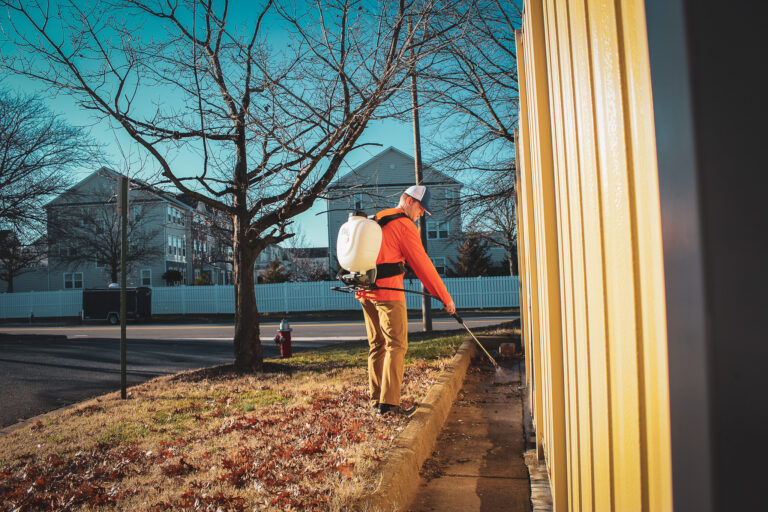
Exterior barrier treatment follows, with targeted application around the foundation, doorways, window frames, and other common pest entry pathways. This creates a treated zone that discourages pests from approaching or crossing into the home.
Landscaping treatment is also typically included, since mulch beds, ground cover, and vegetation close to the home’s exterior often serve as staging areas where pests gather before attempting entry. Addressing these zones helps reduce overall pest activity in the areas immediately surrounding the structure.
Why Reapplication Schedules Matter
Perimeter treatment isn’t a one-time fix. Most professional plans involve recurring service, typically quarterly, to maintain the protective barrier as weather conditions, seasons, and pest pressures shift throughout the year. Without reapplication, the treated barrier gradually breaks down, allowing pest activity to increase again over time.
Why DIY Perimeter Treatments Often Fall Short
Store-bought perimeter sprays can offer some temporary reduction in pest activity, but they typically lack the targeted application and product strength used in professional perimeter pest control services. DIY products are also often applied without a full inspection, which means entry points may go untreated entirely while other, less critical areas receive unnecessary product.
Timing and consistency are also common DIY shortcomings. Without a recurring treatment schedule, the protective barrier created by a single application breaks down well before the next pest season begins, leaving gaps in protection during peak activity periods.
The Value of Professional Assessment
A licensed technician brings the experience to identify entry points that aren’t always obvious to an untrained eye, such as small gaps around utility penetrations or settling cracks in foundation walls. This level of inspection is difficult to replicate with a generic, store-bought approach, and it significantly affects how well the treatment performs over time.
Signs Your Home May Need Perimeter Pest Control
A few common indicators suggest perimeter treatment could benefit your property:
- Recurring ant trails or spider activity near doors and windows
- Visible cracks or gaps around the foundation or window frames
- Seasonal spikes in indoor pest sightings
- Mulch beds or dense vegetation directly bordering the home’s exterior
- A property located near wooded areas, open fields, or dense landscaping
If several of these sound familiar, scheduling a perimeter assessment is a worthwhile next step.
Perimeter Pest Control for Chantilly Homes
Local seasonal pest activity and proximity to wooded or landscaped areas significantly affect how much perimeter pest control a property typically needs throughout the year. A provider familiar with regional pest pressures can build a treatment plan tailored to the specific risks common to homes in this area, rather than relying on generic, nationwide guidelines.
Schedule Your Perimeter Pest Control Assessment
If you’re noticing recurring pest activity near entry points, or simply want to proactively protect your home before pest season ramps up, a professional assessment is the best place to start. A trained technician can identify the specific entry points and risk areas unique to your property.
For homeowners searching for perimeter pest control near me, scheduling service ahead of peak pest season ensures your home’s protective barrier is in place before activity increases.
Frequently Asked Questions
What’s included in a typical perimeter pest control service?
A standard service includes a foundation and entry point inspection, exterior barrier treatment around the home, and treatment of nearby landscaping where pests commonly gather before attempting entry.
How often does perimeter pest control need to be reapplied?
Most plans involve quarterly reapplication to maintain an effective protective barrier as seasonal pest activity and weather conditions change throughout the year.
Can perimeter pest control completely prevent pests from entering my home?
While no treatment offers absolute prevention, a well-maintained perimeter barrier significantly reduces the likelihood of pests entering compared to homes with no proactive exterior treatment in place.
Bull Run Turf Care & Pest Control
4229 Lafayette Center Dr STE 1825, Chantilly, VA 20151, United States