Key Takeaways:
- A few scattered ants are usually manageable, but recurring trails or multiple nest locations signal it’s time for professional treatment.
- DIY ant treatments often only kill visible ants while leaving the colony and queen untouched, causing the problem to return.
- Professional ant control identifies the species and colony location, allowing for targeted treatment that addresses the root of the infestation.
Spotting a few ants in the kitchen doesn’t necessarily mean you need to call an exterminator right away. But knowing where that line is, between a minor, manageable nuisance and a larger infestation that needs professional attention, can save you a lot of frustration and repeated DIY treatments that don’t actually solve the problem. Ants are persistent, and what looks like a small issue on the surface is often connected to a much larger colony working just out of sight.
This article covers the key signs that indicate it’s time to call a professional ant exterminator, why DIY treatments often fall short, and what to expect from a professional ant control service.
Common Signs You Need Professional Ant Control
A handful of warning signs typically separate a minor ant sighting from a situation that calls for professional intervention.
Recurring ant trails, especially ones that reappear in the same area despite cleaning or using store-bought sprays, often indicate an established colony nearby rather than a one-off, isolated incident. Ants leave pheromone trails that guide other workers back to food sources, so a consistent trail usually means a larger, organized colony is actively foraging from your home.
Multiple nest locations are another strong indicator. If you’re noticing ant activity in several different areas of your home, like the kitchen, bathroom, and near windows, it may suggest more than one colony or a particularly large, well-established nest with multiple foraging routes.
Ants appearing after rain can also signal a problem, since certain ant species move indoors seeking dry shelter during wet weather, often indicating a nest located close to your home’s foundation.
When a Few Ants Don’t Require Professional Help
Occasional, isolated ant sightings, especially during warmer months when ants are naturally more active outdoors, often don’t require professional treatment. Cleaning up food sources, sealing visible entry points, and monitoring activity for a few days is usually sufficient for minor, infrequent sightings that don’t return after basic cleanup.
Why DIY Ant Treatments Often Don’t Work
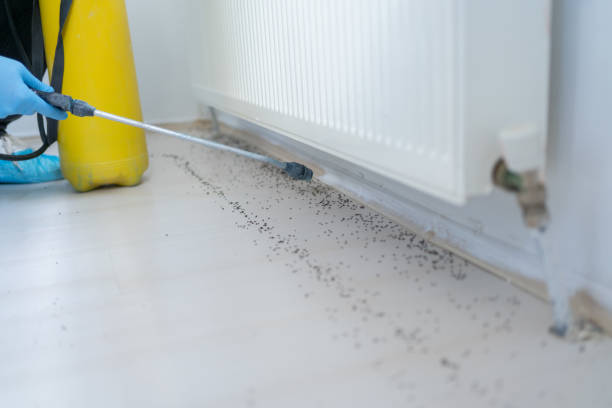
Store-bought ant sprays and baits can offer short-term relief by killing visible worker ants, but they frequently fail to address the underlying colony, including the queen, which means the problem often returns within days or weeks.
Many DIY sprays actually make the problem worse by disrupting pheromone trails, causing the colony to scatter and establish new foraging routes or even split into multiple smaller colonies. This is a particularly common issue with certain species, where improper treatment can inadvertently multiply the number of active colonies on a property rather than eliminating the original one.
Why Identifying the Ant Species Matters
Different ant species require different treatment approaches. Some respond well to bait-based treatments that worker ants carry back to the colony, while others require different methods entirely. Without correctly identifying the species involved, DIY treatment often targets the wrong vulnerability, reducing effectiveness significantly.
What Professional Ant Control Actually Does Differently
Professional ant control starts with identifying the specific ant species present, since this determines the most effective treatment approach. From there, technicians work to locate the colony itself, not just the visible foraging trails, allowing treatment to target the source of the infestation rather than just the ants you can see.
This targeted approach, often using bait formulations that worker ants carry back to the nest, is designed to eliminate the colony at its source, including the queen, which is the only way to permanently resolve most ant infestations rather than just temporarily reducing visible activity.
What to Expect From a Professional Inspection
A professional ant inspection typically involves identifying entry points, locating likely nesting areas both indoors and around the home’s exterior, and assessing conditions that may be attracting ants in the first place, such as moisture issues or accessible food sources. This information shapes a treatment plan tailored to your specific infestation rather than a generic, one-size-fits-all approach.
How to Prevent Ants From Returning
After treatment, a few preventative steps help reduce the likelihood of future ant problems:
- Seal visible cracks and gaps around the home’s exterior
- Store food in airtight containers and clean up spills promptly
- Address moisture issues, including leaky pipes or standing water
- Trim vegetation and mulch away from direct contact with the foundation
Combining these preventative measures with professional perimeter treatment offers the most reliable long-term protection against recurring ant activity.
Ant Control for Chantilly Homes
Local climate conditions and common ant species in this region affect how ant control Chantilly treatment plans are typically structured. A provider familiar with regional ant pressure can identify the specific species commonly found in the area and apply treatment methods proven effective against them, rather than relying on generic, nationwide approaches.
Schedule an Ant Control Inspection
If you’re noticing recurring ant trails, multiple active areas in your home, or DIY treatments that haven’t produced lasting results, it’s likely time to bring in a professional. A trained technician can identify the species involved and locate the colony driving the infestation.
For homeowners searching for ant control near me, scheduling an inspection is the most reliable way to get a permanent solution rather than a temporary fix.
Frequently Asked Questions
How do I know if I need professional ant control?
Recurring ant trails, multiple nest locations, or ants that return despite DIY treatment are strong signs that professional intervention is needed to address the underlying colony.
Why do DIY ant treatments often fail?
Most DIY products only kill visible worker ants while leaving the colony and queen unaffected, and improper application can sometimes cause colonies to scatter and multiply rather than be eliminated.
How does professional ant control eliminate the colony?
Professional treatment typically uses targeted bait formulations that worker ants carry back to the nest, eliminating the colony at its source, including the queen, rather than just treating visible activity.
Bull Run Turf Care & Pest Control
4229 Lafayette Center Dr STE 1825, Chantilly, VA 20151, United States