Key Takeaways
- Pre-emergent treatments work by preventing weed seeds from germinating, which means timing the application before weeds sprout is essential to its effectiveness.
- Missing the application window, even by a couple of weeks, can significantly reduce how well a pre-emergent product performs.
- A season-based pre-emergent weed control plan addresses both spring and fall germinating weeds rather than covering only part of the year.
What Pre-Emergent Weed Control Actually Does
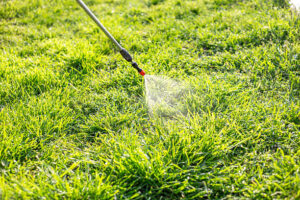
Pre-emergent herbicides work differently than the post-emergent products most homeowners are familiar with. Rather than killing weeds that are already visible, pre-emergents create a barrier in the soil that prevents weed seeds from successfully germinating in the first place. This makes timing far more important than with post-emergent treatments, since a pre-emergent applied even a few weeks too late may already be facing weeds that have started to sprout, at which point it offers little benefit.
The Best Application Window for Northern Virginia Lawns
Spring Application Timing
Spring pre-emergent applications are timed to soil temperature rather than a fixed calendar date, generally applied once soil temperatures approach the range where crabgrass and other warm-season weeds begin germinating. In Northern Virginia, this typically falls in early to mid-spring, though year-to-year weather variation can shift the ideal window slightly.
Fall Application Timing
A second pre-emergent application in early fall targets cool-season weeds like chickweed and henbit, which germinate as temperatures drop rather than rise. Many homeowners focus only on spring treatment and miss this fall window entirely, which leaves the lawn exposed to an entirely separate category of weeds that germinate later in the year.
Common Weeds Pre-Emergents Help Prevent
Crabgrass is the weed most commonly associated with pre-emergent treatment, since it’s one of the most persistent summer nuisances in Chantilly lawns. Beyond crabgrass, pre-emergents also help prevent foxtail, spurge, and certain broadleaf weeds from establishing, depending on the specific product and its labeled application timing.
Why Timing Mistakes Reduce Effectiveness
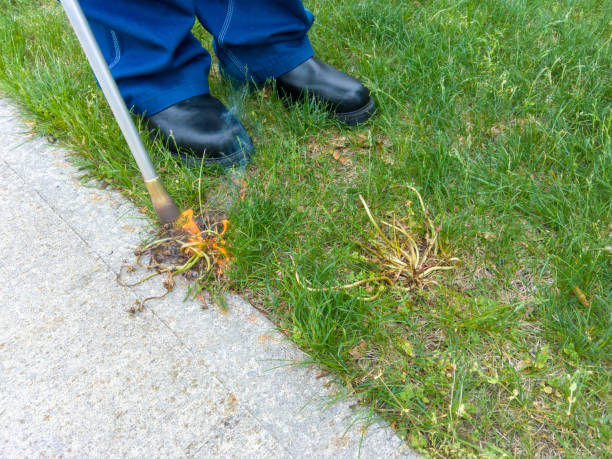
Because pre-emergent herbicides work by preventing germination rather than killing established plants, a late application essentially wastes the treatment’s core mechanism. If weeds have already sprouted by the time a pre-emergent is applied, the lawn is left needing a separate post-emergent treatment to address what’s already growing. This is one of the most common reasons DIY pre-emergent applications underperform compared to professionally timed treatments, since store-bought products are often applied based on convenience rather than actual soil temperature and germination timing.
Building Pre-Emergent Treatment Into a Full Lawn Care Plan
Pre-emergent weed control works best as one part of a broader lawn care plan rather than a standalone treatment. Pairing pre-emergent applications with proper mowing height, consistent fertilization, and periodic aeration creates a lawn that’s naturally more resistant to weed establishment even in the gaps between treatments. A thin, stressed lawn gives weed seeds far more opportunity to take hold than a dense, healthy one, regardless of how well-timed the pre-emergent application was.
Homeowners looking to get ahead of seasonal weed pressure often search pre-emergent weed control near me before spring or fall germination windows arrive. A properly timed pre-emergent weed control Chantilly program tracks local soil temperature trends to apply treatment at the point where it will be most effective.
FAQs
How do I know when it’s time for a spring pre-emergent application? Timing is based on soil temperature rather than the calendar, so a provider tracking local conditions can apply treatment at the right point before crabgrass and similar weeds begin to germinate.
Can I still use post-emergent weed control if I missed the pre-emergent window? Yes, post-emergent treatments can address weeds that have already sprouted, though at that point the lawn has already lost the head start that pre-emergent treatment would have provided.
Does pre-emergent weed control affect grass seed I want to plant? Pre-emergents prevent germination broadly, which means they can also interfere with grass seed, so timing overseeding around pre-emergent applications needs to be carefully coordinated.
Bull Run Turf Care & Pest Control 4229 Lafayette Center Dr STE 1825, Chantilly, VA 20151, United States