Key Takeaways
- Most household pest problems in Chantilly follow seasonal patterns, which makes prevention timing just as important as the treatment itself.
- A single treatment rarely solves an ongoing pest problem, since new pests can continue entering through the same access points.
- Knowing when to call a professional versus handling an issue yourself can save both time and money in the long run.
The Most Common Household Pests in Chantilly
Chantilly homeowners deal with a fairly predictable set of pests throughout the year, shaped largely by the region’s humid summers and cooler winters. Understanding which pests are common, and when they tend to show up, makes it easier to catch problems early rather than after they’ve already become established indoors.
Ants, Spiders, and Seasonal Invaders
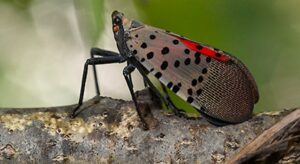
Ants are among the most frequent complaints, particularly in spring and summer when colonies become more active in search of food and water. Spiders tend to show up wherever insects are already present, since they’re following a food source rather than invading independently. Stink bugs and boxelder bugs are seasonal invaders that become a nuisance in fall as they look for warm places to overwinter, often entering through small gaps around windows and doors.
Rodents and Other Nuisance Pests
Mice and rats become more of a concern as temperatures drop in fall and winter, when they seek out warm indoor spaces with access to food. Beyond the immediate nuisance, rodents can chew through wiring and insulation, creating both a safety hazard and a costly repair issue if left unaddressed. Other nuisance pests, like centipedes and silverfish, tend to show up in damp areas such as basements and bathrooms.
Why Pest Problems Return Without Ongoing Treatment
A single treatment can knock down an existing pest population, but it doesn’t close off the entry points that let new pests in over time. Homes have countless small gaps around utility lines, foundation cracks, and window seals that pests can exploit, and these openings don’t disappear after one visit. This is why homeowners often see pests return within a few months of a one-time treatment, even when the original infestation was fully addressed.
What to Expect From a Professional Pest Control Visit
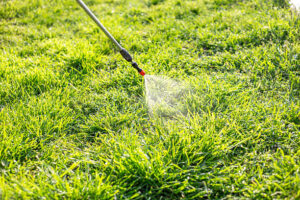
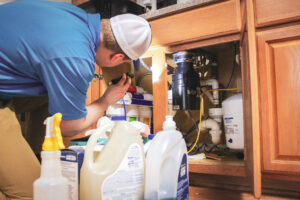
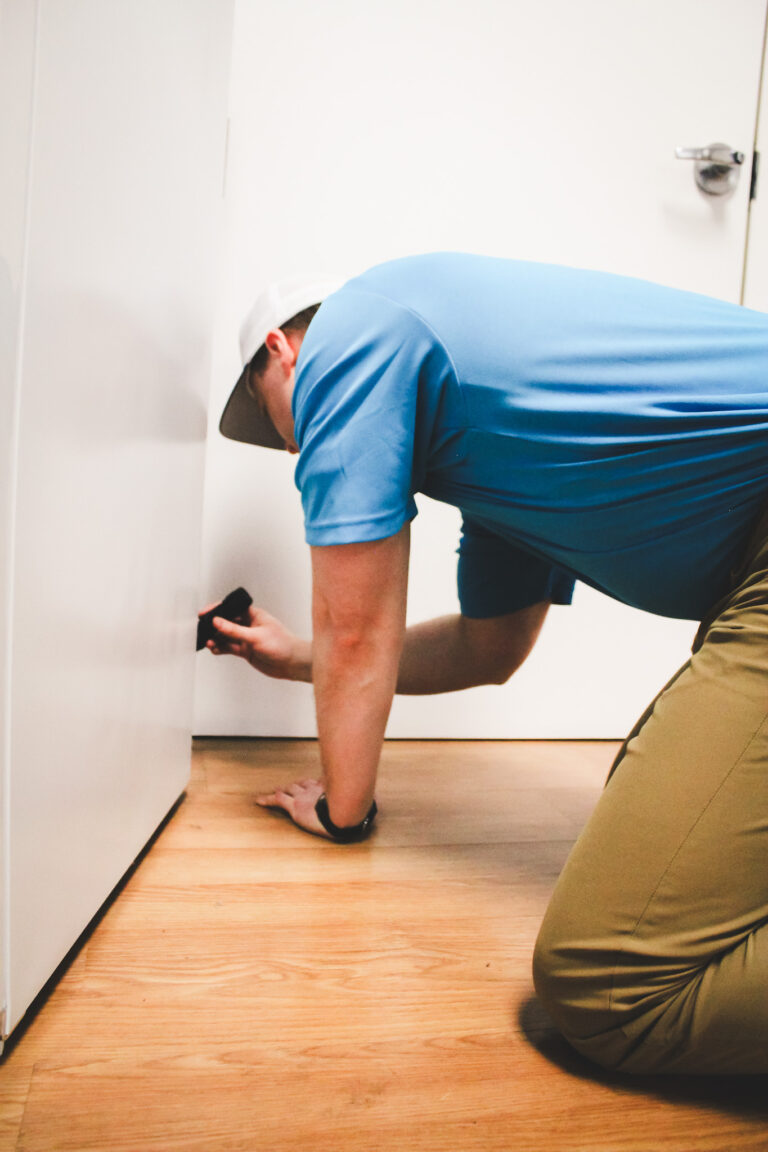
A professional visit typically starts with an inspection to identify both the current pest activity and the conditions that are allowing it, such as entry points, moisture issues, or food sources. Treatment is then applied both inside and around the perimeter of the home, targeting current pests while also creating a barrier against new ones. Many providers include a follow-up component, either through scheduled recurring visits or a guarantee that covers additional treatment if pests return between visits.
Preventing Pests Between Treatments
Sealing obvious gaps around doors, windows, and utility entry points goes a long way toward reducing how many pests find their way inside between scheduled treatments. Keeping food stored in sealed containers and promptly cleaning up spills removes one of the main attractions for ants and rodents alike. Reducing excess moisture, whether from a leaky pipe or poor drainage near the foundation, also removes conditions that many pests rely on to survive indoors.
When to Call a Professional vs. Handling It Yourself
An occasional single ant or spider is rarely cause for concern and can usually be handled without professional help. However, if you’re seeing pests repeatedly despite cleaning and basic prevention, noticing signs of rodent activity, or dealing with a pest that’s difficult to identify, it’s typically more effective to bring in a professional. DIY treatments purchased off the shelf often only address the pests you can see, without resolving the entry points or nesting areas that are allowing the problem to continue.
For homeowners dealing with recurring issues, pest control chantilly services that combine inspection, treatment, and prevention tend to offer more lasting results than a single spray-and-go visit. General pest control programs are designed to address the full range of common household pests rather than treating each one as a separate, isolated problem. If you’re ready to get a professional assessment, searching pest control near me is typically the fastest way to schedule an initial inspection.
FAQs
How often should I have my home treated for pests? Many homeowners schedule quarterly treatments to stay ahead of seasonal pest activity, though the right frequency depends on your specific pest pressure and property.
Are professional pest control treatments safe for pets and children? Professional treatments are applied according to label instructions that specify safe re-entry times, and providers can walk you through any specific precautions for your household.
What’s the difference between a one-time treatment and an ongoing pest control plan? A one-time treatment addresses current pest activity but doesn’t prevent new pests from entering later, while an ongoing plan includes regular visits designed to catch and prevent issues before they become noticeable.
Bull Run Turf Care & Pest Control 4229 Lafayette Center Dr STE 1825, Chantilly, VA 20151, United States