Key Takeaways
- Most household pests enter through small, often overlooked gaps around a home’s foundation, utility lines, and rooflines.
- A perimeter treatment creates a protective barrier around the home’s exterior, reducing how many pests make it inside in the first place.
- Regularly scheduled perimeter pest control tends to be more effective long-term than treating pests only after they’ve already entered the home.
What Perimeter Pest Control Is and How It Works
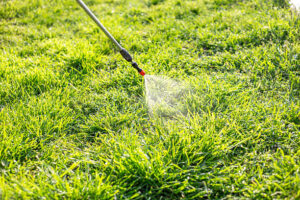
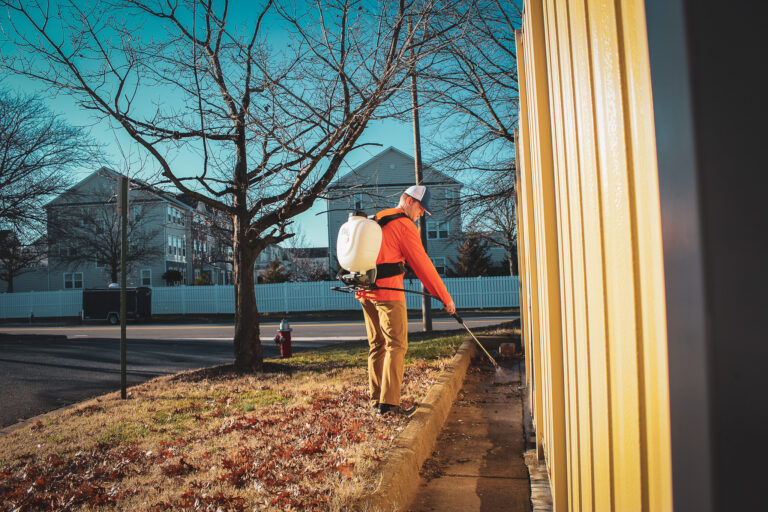
Perimeter pest control focuses on treating the outside of a home rather than waiting to react to pests that have already made it indoors. By applying targeted treatment around the foundation, entry points, and other vulnerable areas, this approach creates a barrier that reduces the number of pests attempting to enter in the first place. It’s a proactive strategy rather than a reactive one, which tends to reduce how often homeowners deal with pests appearing inside living spaces.
Common Entry Points Pests Use Around Chantilly Homes
Foundation Gaps and Utility Lines
Small cracks and gaps around a home’s foundation, along with openings where utility lines, pipes, and cables enter the house, are common access points for ants, spiders, and even small rodents. These gaps are often too small to notice during a casual walk around the property but are more than large enough for many common pests to exploit.
Windows, Doors, and Rooflines
Worn weatherstripping around windows and doors, along with gaps near the roofline or soffits, give pests additional access points, particularly for seasonal invaders like stink bugs and boxelder bugs that are searching for a way indoors as temperatures drop in fall.
What’s Included in a Perimeter Treatment Visit
A thorough perimeter treatment typically starts with an inspection to identify specific vulnerable points around the home’s exterior, followed by targeted application around the foundation, entry points, and other areas where pest activity is most likely. Depending on the provider and property, this may also include addressing any visible nests or activity near the exterior, such as spider webs around entryways or ant trails leading toward the foundation.
How Often Perimeter Treatments Should Be Scheduled
Because pest pressure shifts throughout the year, with different pests becoming more active in spring, summer, and fall, perimeter treatments are generally most effective when scheduled on a recurring basis rather than as a single annual visit. A quarterly treatment schedule is common, allowing the barrier to be refreshed as weather conditions and specific pest activity change across the seasons.
Keeping Pests Out Long-Term
Perimeter treatment works best as an ongoing practice rather than a one-time fix, since environmental factors like rain, mowing, and seasonal changes can reduce the effectiveness of a treatment over time. Pairing perimeter pest control with basic exterior maintenance, like sealing obvious gaps and trimming vegetation away from the foundation, further reduces how many opportunities pests have to find their way inside.
Homeowners dealing with recurring pest problems near their home’s exterior often search perimeter pest control near me to find a local provider who can assess the property’s specific vulnerable points. A recurring perimeter pest control Chantilly plan keeps that protective barrier refreshed throughout the year rather than letting it lapse between isolated treatments.
FAQs
How is perimeter pest control different from general indoor pest treatment? Perimeter treatment focuses specifically on preventing pests from entering the home by treating the exterior, while indoor treatment addresses pests that have already made it inside.
How often should perimeter pest control be applied? Quarterly treatment is common, since this allows the protective barrier to be refreshed as seasonal pest activity shifts throughout the year.
Is perimeter pest control safe for pets that spend time in the yard? Professional treatments are applied according to label guidelines that specify safe re-entry times for both people and pets, and a provider can walk you through any specific precautions for your yard.
Bull Run Turf Care & Pest Control 4229 Lafayette Center Dr STE 1825, Chantilly, VA 20151, United States