Key Takeaways
Perimeter treatment creates a preventive barrier rather than reacting to pests already inside. This proactive approach is generally more effective than treating individual infestations as they appear. Reapplication timing matters for maintaining protection. Weather and seasonal pest pressure both affect how often perimeter treatments need to be refreshed. Ashburn’s mix of newer developments and wooded areas creates varied pest pressure. Properties near wooded lots or open space tend to see higher pest activity requiring more consistent perimeter protection.
Rather than waiting for pests to make their way inside a home, perimeter pest control focuses on creating a protective barrier around the exterior, addressing the problem before it ever becomes an indoor issue. For Ashburn homeowners dealing with consistent pest pressure, this proactive approach often produces more reliable, longer-lasting results than reactive treatment applied only after pests are already spotted indoors.
What Perimeter Pest Control Actually Does
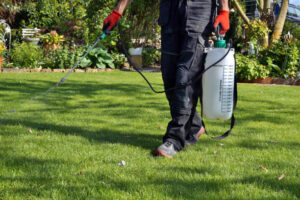
Perimeter pest control is built around the idea that most pest problems start outside a home before working their way in through foundation gaps, utility penetrations, or other small openings. Rather than waiting for ants, spiders, or other common invaders to show up indoors, perimeter treatment targets the exterior of the home, including the foundation, entry points, and surrounding landscaping, to intercept pests before they cross the threshold.
This approach tends to reduce the frequency of indoor pest sightings significantly, since it addresses the problem at the source rather than responding after pests have already found their way inside. Homeowners who switch from purely reactive indoor treatment to a proactive perimeter program often describe a noticeable drop in how often they encounter pests indoors within the first few months.
How a Perimeter Treatment Barrier Works
Understanding the mechanics of a perimeter treatment helps explain why consistent application matters for long-term effectiveness.
Foundation, Entry Points, and Eaves
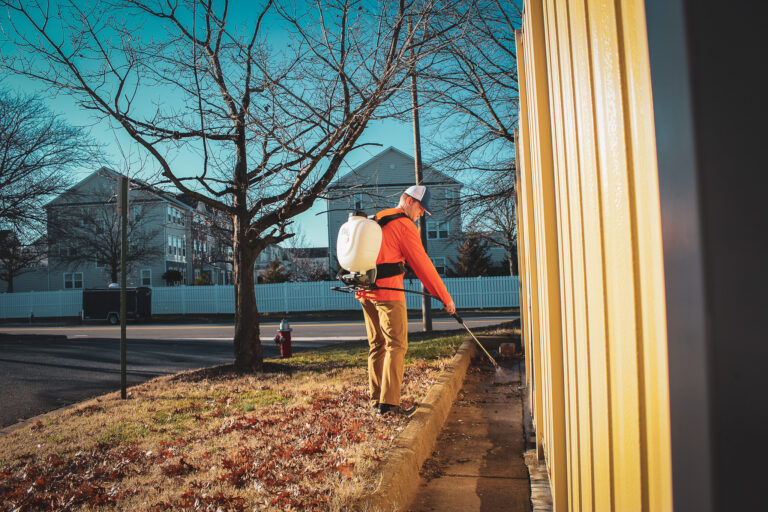
Treatment is typically applied around the foundation, window and door frames, and eaves, areas where pests commonly attempt entry. This creates a treated zone that pests encounter before reaching the interior of the home, reducing the likelihood of infestation without requiring treatment inside living spaces. Technicians often pay particular attention to areas where different building materials meet, since these transition points are common weak spots for both pest entry and treatment coverage.
Seasonal Reapplication and Weather Factors
Weather conditions, particularly heavy rain, can reduce the effectiveness of perimeter treatments over time, which is why reapplication on a regular schedule is important for maintaining consistent protection. Seasonal pest pressure also shifts throughout the year, meaning treatment timing often needs to account for periods when certain pests are most active, such as ants in spring or stink bugs and rodents in fall.
Why Ashburn Homes Benefit From Perimeter Treatment
Perimeter pest control Ashburn homeowners rely on is particularly valuable given the area’s mix of newer developments bordering wooded lots and open space, both of which tend to increase pest pressure compared to more urban or fully developed areas. Properties near these natural buffers often see higher activity from ants, spiders, and seasonal invaders like stink bugs, making a consistent perimeter barrier especially useful for keeping pests from establishing a foothold.
What’s Included in a Recurring Perimeter Program
A typical recurring program includes scheduled visits throughout the year, with treatment reapplied around the home’s exterior at intervals designed to maintain consistent protection despite weather and seasonal pest activity changes. Technicians often also inspect for new entry points or conditions that could allow pests inside, adjusting the treatment plan as needed based on what’s observed during each visit.
Finding Perimeter Pest Control Near Me
Homeowners searching for perimeter pest control near me should look for a provider offering a recurring, scheduled program rather than a one-time application, since ongoing protection depends on consistent treatment throughout the year. Asking about reapplication frequency and what’s included in each visit helps homeowners understand how the program will actually function over time.
What to Expect During the First Perimeter Treatment Visit
Homeowners starting a perimeter pest control program for the first time can expect an initial visit that’s more thorough than the recurring visits that follow. The technician typically walks the entire exterior of the home, noting existing entry points, vegetation touching the structure, and any visible pest activity before beginning treatment. This baseline assessment helps establish what normal conditions look like for that specific property, making it easier to spot changes or new problem areas during future visits.
Because this first visit often reveals conditions the homeowner wasn’t previously aware of, such as a gap around a utility line or a section of siding pulling away from the foundation, it’s common for the technician to flag a few maintenance items alongside the pest treatment itself, giving the homeowner a fuller picture of what’s contributing to pest pressure beyond what treatment alone can resolve.
Frequently Asked Questions
How often does perimeter pest control need to be reapplied? Reapplication frequency varies based on weather, pest pressure, and the specific products used, though many programs schedule treatments quarterly or seasonally to maintain consistent protection throughout the year.
Does perimeter treatment eliminate the need for indoor pest control? Perimeter treatment significantly reduces the likelihood of pests entering a home, but some indoor treatment may still be needed if pests are already present indoors before the perimeter program begins.
Is perimeter pest control safe for pets and gardens? Products used in perimeter treatment are typically labeled for residential exterior use, though homeowners with specific concerns about pets or edible gardens should discuss product details directly with their provider before treatment.
Combining Perimeter Treatment With Landscaping Adjustments
Perimeter pest control tends to work best alongside a few landscaping habits that reduce the conditions pests are drawn to in the first place. Keeping mulch beds pulled back from the foundation, trimming shrubs so they don’t touch exterior walls, and eliminating standing water near the home’s perimeter all reduce the bridges and hiding spots pests use to approach the treated zone. Homeowners who make these small adjustments alongside a professional perimeter program often see even more consistent results than treatment alone would provide.
How Perimeter Treatment Complements Indoor Pest Management
For homes that already have some level of indoor pest activity, perimeter treatment works best as part of a broader plan that also addresses the interior directly. Treating only the perimeter on a home with an existing indoor infestation may reduce new entries without resolving pests already established inside, which is why a thorough initial assessment typically considers both the exterior barrier and any interior conditions that need separate attention.
Bull Run Turf Care & Pest Control 4229 Lafayette Center Dr STE 1825, Chantilly, VA 20151, United States