Key Takeaways
A healthy lawn depends on consistent care throughout the year, not seasonal fixes. Skipping treatments during off-peak months often leads to setbacks that show up later in the growing season. Chantilly’s clay soil and humid summers create specific challenges. A maintenance plan built for this region needs to account for both compaction and heat stress. Basic mowing alone isn’t enough to build a thick, resilient lawn. Fertilization, weed control, and aeration all play a role in long-term turf health.
Building a genuinely healthy lawn in Chantilly requires more than mowing on a regular schedule. Between clay-heavy soil, humid summers, and seasonal weed and pest pressure, a year-round maintenance plan that accounts for these specific conditions tends to produce far better results than reactive, as-needed care that only responds once problems are already visible.
What a Year-Round Lawn Care Plan Looks Like in Chantilly
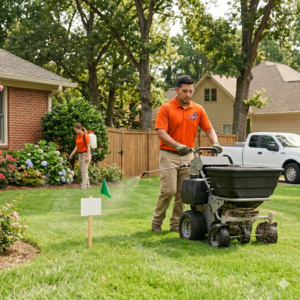
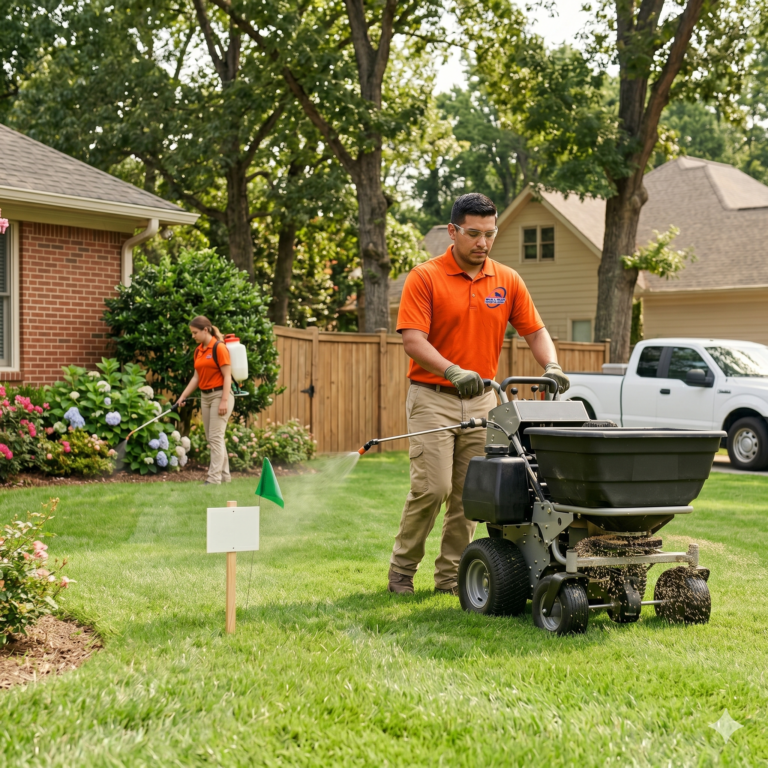
Lawn care Chantilly homeowners rely on works best when it follows a consistent, seasonal structure rather than only addressing problems as they become visible. Because grass in this region goes through distinct growth phases throughout the year, from active spring and fall growth to summer heat stress, a maintenance plan needs to adjust its focus accordingly rather than applying the same treatments regardless of season.
This kind of consistency helps prevent the kind of setbacks that come from reactive care, where problems are only addressed after they’ve already visibly affected the lawn’s appearance and health, often requiring more extensive and costly correction than ongoing prevention would have needed.
Seasonal Priorities Throughout the Year
Understanding what a lawn needs at different points in the year is central to building an effective long-term plan.
Spring Green-Up and Weed Prevention
Spring is when lawns transition out of winter dormancy, making it an important time for fertilization to support new growth alongside pre-emergent weed control to prevent crabgrass and other summer annuals from establishing before they germinate. This is also a good window for addressing any winter damage, such as areas affected by salt runoff near driveways and walkways.
Summer Stress and Fall Recovery
As summer heat and humidity set in, cool-season grass common to this region naturally slows its growth, requiring a lighter touch with fertilization and closer attention to mowing height to avoid additional stress. Fall then becomes the season for more significant intervention, including aeration, overseeding, and fertilization aimed at rebuilding root strength before winter.
Core Services Every Lawn Care Program Should Include
A complete lawn care program typically combines regular mowing and edging with seasonal fertilization, weed control timed to address both annual and perennial weeds, and periodic aeration to manage soil compaction. Given the clay-heavy soil common throughout Chantilly, aeration in particular plays an outsized role in supporting healthy root development that might otherwise be restricted by compacted soil.
Signs Your Lawn Needs More Than Basic Mowing
A lawn that looks thin despite regular mowing, struggles to recover after summer heat, or consistently develops weed problems each season is often signaling that basic maintenance alone isn’t addressing an underlying issue, whether that’s soil compaction, nutrient deficiency, or inconsistent treatment timing. In these cases, a more structured, seasonal approach tends to produce noticeably better results over time.
Finding Lawn Care Near Me
Homeowners searching for lawn care near me should look for a provider that structures its services around the local growing season rather than offering a generic, one-size-fits-all package. Asking how a provider’s plan changes throughout the year, and what specific services are included at each stage, can help homeowners understand whether the approach genuinely fits their lawn’s needs.
Why Consistency With One Provider Tends to Pay Off
Switching lawn care providers frequently can disrupt the kind of long-term pattern recognition that makes a seasonal program most effective. A provider who has serviced a property across several seasons develops a clearer sense of how that specific lawn responds to treatment, which areas tend to struggle first under stress, and how quickly it typically recovers after aeration or overseeding. This institutional knowledge, built up over repeated visits, often leads to more precise adjustments than a new provider starting from scratch each season would be able to make.
Homeowners who’ve stayed with the same provider for multiple years often describe a noticeably smoother, more predictable improvement in their lawn’s condition compared to years spent switching between different companies with different approaches.
Frequently Asked Questions
How long does it take to see a noticeable difference after starting a lawn care program? Some improvements, like weed reduction, can appear within a few weeks, but building overall lawn density and root strength typically takes a full growing season, particularly for lawns that were significantly stressed beforehand.
Is aeration really necessary every year? Given the clay-heavy soil common throughout the region, most lawns benefit from annual aeration to relieve compaction, though the ideal frequency can vary based on soil type and foot traffic.
What’s the biggest mistake homeowners make with lawn care? Treating lawn care reactively, only addressing issues once they’re visible, tends to produce weaker results than following a consistent, seasonal plan that supports the lawn’s health throughout the entire year.
Tracking Progress From Season to Season
Because meaningful lawn improvement happens gradually, it helps to track a property’s progress from one season to the next rather than judging results based on a single visit. Photos taken at the same time each season can reveal density and color improvements that are easy to overlook day to day, while also helping a provider identify which areas of the lawn are responding well to treatment and which may need an adjusted approach going into the next season.
Setting a Realistic Long-Term Timeline
Homeowners new to a structured lawn care program should understand that meaningful, lasting improvement typically unfolds over multiple seasons rather than a single year. The first season often focuses on correcting underlying issues like compaction or nutrient deficiency, while the following seasons build on that foundation to achieve the thick, healthy appearance most homeowners are ultimately working toward. Setting this expectation from the start helps avoid the frustration of judging a multi-season program by its results after just a few months.
Bull Run Turf Care & Pest Control 4229 Lafayette Center Dr STE 1825, Chantilly, VA 20151, United States