Key Takeaways
Lawn and pest issues are usually connected. Weak, overgrown, or poorly drained turf creates the exact conditions insects and rodents look for, which is why treating both together produces better results than treating them separately. Bundled service saves time and money. Scheduling one provider for both lawn care and pest control cuts down on coordination, duplicate site visits, and gaps where problems go unnoticed between two separate companies. Local knowledge changes outcomes. Chantilly’s soil, seasonal pest pressure, and climate patterns are different from other parts of Northern Virginia, so a provider familiar with the area can plan treatments around what actually happens here.
Homeowners across Chantilly search for lawn and pest control near me for a simple reason: managing a healthy yard and keeping pests out of the house are rarely separate problems. A struggling lawn attracts insects, a pest infestation can damage turf and landscaping, and trying to solve one issue without the other often means the underlying cause never gets addressed. Understanding how these two services work together, and what to look for before hiring anyone, can save homeowners from repeat problems and wasted money.
This is especially true in a region like Chantilly, where clay soil, humid summers, and a mix of wooded and open lots create year-round conditions for both lawn stress and pest activity. A homeowner who only treats the lawn, or only treats visible pests, is often addressing a symptom rather than the root cause, which is part of why so many searches for combined service start after a homeowner has already tried one approach without lasting success.
How Lawn Problems and Pest Problems Are Connected
It’s easy to think of lawn care and pest control as two unrelated services, but the reality is that most pest activity around a home starts in the yard. Insects, rodents, and even some fungal issues thrive in specific lawn conditions, and once those conditions are in place, pest pressure tends to build quickly.
Overgrown Turf and Excess Thatch
Grass that’s allowed to grow too long, or that has a heavy thatch layer built up at the soil line, creates a shaded, moist environment that many common pests prefer. Chinch bugs, grubs, and ticks all favor this kind of cover, and a thick thatch layer also blocks water and nutrients from reaching the roots, weakening the grass further and making it even more vulnerable. Left unaddressed over multiple seasons, this cycle tends to compound, since weaker turf provides even less resistance to the pests it’s attracting.
Standing Water and Poor Drainage
Low spots in a yard that collect water after rain are one of the most common triggers for mosquito activity, since it only takes a small amount of standing water for eggs to hatch. Poor drainage also stresses turf roots, leading to thin, patchy areas where weeds and pests can move in more easily than they would in dense, healthy grass. In many Chantilly yards, this drainage issue traces back to the area’s clay-heavy soil, which doesn’t absorb water as readily as looser soil types found elsewhere in the region.
The Advantages of Bundling Lawn and Pest Control
Hiring separate companies for lawn care and pest control often means each provider only sees part of the picture. A lawn technician might notice thinning turf without connecting it to a grub problem underneath, while a pest technician might treat visible ants without addressing the moisture issue drawing them in.
A provider that offers lawn and pest control as a combined service can catch these connections early. Technicians visiting for one purpose are trained to flag warning signs for the other, which means problems get identified and addressed before they turn into larger infestations or costly turf damage. Scheduling is simpler too, since homeowners aren’t juggling two separate appointment calendars, invoices, and points of contact.
Beyond convenience, bundling also tends to be more cost-effective over time. A single provider familiar with the whole property can adjust treatment plans based on what they’re already observing during routine visits, rather than requiring an entirely separate diagnostic visit each time a new issue appears.
What to Expect During a Combined Service Visit
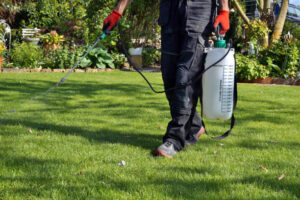
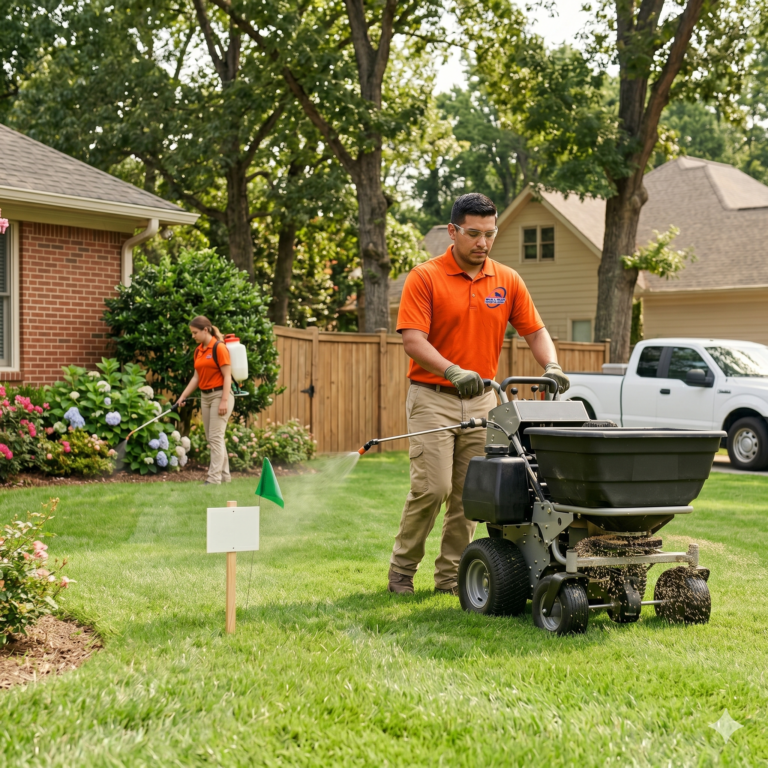
A typical combined visit usually starts with a walk-through of the property to check turf health, identify any visible pest activity, and look at conditions that tend to invite problems, such as mulch beds against the foundation, overgrown shrubs, or areas where water pools. From there, the technician applies whatever lawn treatments are scheduled for that visit, whether that’s fertilization, weed control, or aeration, alongside any pest treatments the property needs, such as perimeter spraying or targeted grub control.
Homeowners should expect clear communication about what was applied, why, and what to watch for before the next visit. A reputable company will also explain any conditions that need attention on the homeowner’s end, like trimming vegetation away from the house or fixing a drainage issue, since these small changes often make treatments more effective. Over several visits, this kind of ongoing communication builds a clearer picture of the property’s specific patterns, allowing future treatments to be planned more precisely rather than reactively.
Why Local Experience Matters in Chantilly
Not every lawn and pest issue looks the same from one part of Northern Virginia to another. Soil composition, tree cover, and even neighborhood layout all affect which pests show up and when. A provider offering lawn and pest control Chantilly homeowners can rely on will understand the specific seasonal patterns in this area, from when grubs typically hatch to which weeds tend to take over Chantilly’s clay-heavy soil.
That local familiarity also means treatment timing is based on what’s actually happening in the neighborhood rather than a generic regional calendar. A company with roots in the community is more likely to catch early signs of a broader outbreak, such as an uptick in a particular pest across several properties, and adjust its approach before the problem spreads further. This kind of pattern recognition is something that develops over repeated seasons of servicing the same area, and it’s part of what separates a truly local provider from one simply operating in the region.
Recognizing When a Property Needs More Frequent Visits
Some properties simply need more attention than others, and recognizing the signs early can prevent a manageable issue from becoming a bigger one. A yard bordering a wooded lot, a property with a history of drainage problems, or a home where pest activity has been recurring year after year despite treatment are all situations where a more frequent service schedule tends to make sense. Technicians who visit a property regularly are also in a better position to notice these patterns over time, since a single visit rarely reveals the full picture of what’s actually driving repeated issues.
Homeowners who’ve dealt with the same pest problem multiple seasons in a row, even after treatment, should bring this history up directly with their provider, since it often points to an underlying condition, such as a persistent moisture issue or an untreated neighboring property, that needs to be addressed specifically rather than simply repeating the same treatment and expecting a different result.
What Homeowners Can Do Between Professional Visits
Even with a recurring service in place, a few habits between visits help treatments go further. Keeping mulch beds pulled back a few inches from the foundation reduces one of the most common pathways pests use to reach the house, while trimming shrubs and tree limbs away from siding removes another. Homeowners who mow at a consistent, slightly taller height also give their lawn a better chance of outcompeting weeds and shading out the kind of thin, thatchy conditions pests prefer.
Keeping an eye out for standing water after storms, whether in a low spot in the yard, a clogged gutter, or a forgotten container, is another simple step that pays off, since it removes one of the easiest breeding opportunities for mosquitoes before it ever becomes a problem the technician has to address on the next visit. None of these habits replace professional treatment, but they do help maintain results between scheduled services.
Frequently Asked Questions
How often should lawn and pest control services be scheduled? Most properties benefit from a recurring schedule, since ongoing lawn treatments and pest prevention work better than one-time visits. The right frequency depends on the property’s size, existing conditions, and the specific issues being addressed, so a walk-through assessment is usually the best starting point.
Can lawn and pest control be done at the same time as regular lawn mowing? Lawn and pest control treatments are typically separate from routine mowing, since they involve specific products and timing that don’t always align with a mowing schedule. Many providers coordinate the two so homeowners aren’t dealing with overlapping visits.
Is combined lawn and pest control safe for pets and children? Reputable providers use products labeled for residential use and provide guidance on re-entry times after treatment. Homeowners should always ask about specific product safety information before a visit if they have pets or young children who spend time outdoors.
Setting Realistic Expectations for Results
Homeowners starting a combined lawn and pest control program for the first time should expect gradual improvement rather than an overnight transformation. A lawn that’s been stressed for multiple seasons, or a pest issue that’s been building for a while, typically takes several visits before the full benefit becomes visible. This is a normal part of the process, and a provider who sets these expectations clearly upfront, rather than promising immediate results, is generally more trustworthy than one who overpromises just to close a sale.
Bull Run Turf Care & Pest Control 4229 Lafayette Center Dr STE 1825, Chantilly, VA 20151, United States