Key Takeaways
- Grub damage is a regional issue across Northern Virginia, not something unique to any single neighborhood or municipality.
- Warm, moist soil conditions in late summer create ideal egg-laying conditions for the beetles responsible for grub populations.
- Confirming an actual grub problem before treating helps ensure grub control efforts are targeted rather than applied unnecessarily.
Why Grubs Are a Regional Problem, Not Just a Chantilly One
Grub damage doesn’t respect neighborhood or jurisdiction boundaries. Japanese beetles and other species responsible for grub populations are active across Northern Virginia broadly, which means lawns throughout the region face similar risk factors regardless of specific location. Understanding grub control as a regional concern, rather than something isolated to one particular area, helps property owners recognize that consistent seasonal treatment matters no matter where in Northern Virginia they’re located.
Conditions That Attract Grubs to Northern Virginia Lawns
Adult beetles are drawn to lawns with consistent moisture during their egg-laying period in mid to late summer, which means well-watered, healthy-looking lawns can sometimes be more attractive to egg-laying females than drier, less maintained turf. This is a somewhat counterintuitive point for many homeowners, who assume a well-cared-for lawn is inherently less likely to develop a grub problem. In reality, watering practices during peak egg-laying season can influence how attractive a lawn is to egg-laying beetles.
How to Confirm You Actually Have a Grub Problem
The Tug Test and Other At-Home Checks
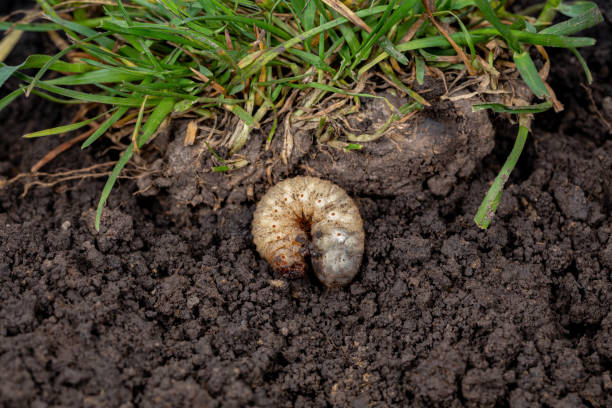
A simple way to check for grubs is to cut a small square section of turf, roughly a foot on each side, and peel it back to inspect the soil beneath. If you count more than a handful of grubs in that area, treatment is likely warranted. This kind of direct check helps avoid unnecessary treatment on lawns that may be showing similar symptoms from an entirely different cause, such as drought stress or disease.
Timing Treatment for Maximum Effectiveness
Preventive treatments applied in early to midsummer target grubs while they’re young and most vulnerable, before they’ve had a chance to cause significant root damage. Curative treatments, applied later once damage is already visible, can still reduce the population but are working against damage that’s already underway. Because grub life cycles are consistent across the region, this general timing framework applies broadly to lawns throughout Northern Virginia rather than varying significantly by specific location.
Preventing Future Grub Damage
Beyond timed treatments, maintaining a generally healthy, well-fertilized lawn helps turf recover more quickly from any grub feeding that does occur, since strong root systems are more resilient to partial damage than weak ones. Regular monitoring during late summer, when adult beetles are most active and laying eggs, allows property owners to catch developing populations before they translate into visible turf damage the following season.
Homeowners across the broader region searching for grub control northern Virginia services are often looking for a provider who understands these regional patterns and can apply consistent, well-timed treatment regardless of specific neighborhood. If you’re noticing early signs of trouble, searching grub control near me is a practical way to get a professional assessment before damage becomes significant.
FAQs
Is grub activity worse in some parts of Northern Virginia than others? Grub pressure tends to be fairly consistent across the region, though lawns with heavier watering during peak beetle egg-laying season in midsummer may see somewhat higher attractiveness to egg-laying adults.
How do I know if my lawn damage is from grubs or something else? Checking beneath the surface with a simple tug test or small soil sample is the most reliable way to confirm grubs are the actual cause before assuming that’s what’s damaging your lawn.
Can grub damage be repaired once it’s already occurred? Yes, though repair typically requires overseeding or reseeding damaged areas in addition to treating the grub population itself, since the pest control treatment alone doesn’t restore lost turf.
Bull Run Turf Care & Pest Control 4229 Lafayette Center Dr STE 1825, Chantilly, VA 20151, United States