Key Takeaways
- Grub damage often mimics drought stress, which leads many homeowners to water more instead of addressing the actual root cause.
- Increased digging activity from birds, skunks, or raccoons is frequently an early sign that grubs are active beneath the surface.
- Preventive treatment applied before summer gives lawns the best chance of avoiding significant grub damage later in the season.
What Lawn Grubs Are and Why Summer Prevention Matters
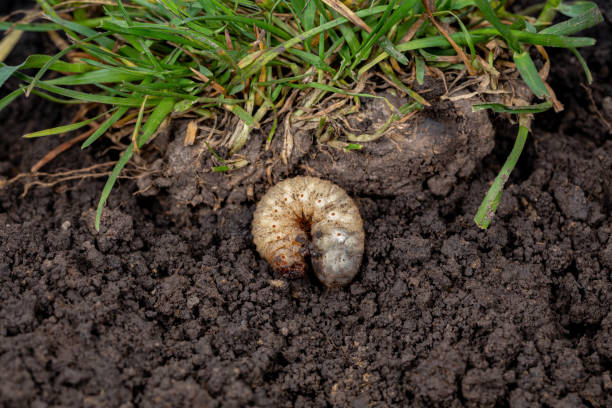
Lawn grubs are the larval stage of beetles that live just beneath the surface of the soil, feeding on grass roots as they develop. Because this feeding happens underground, damage often isn’t obvious until it’s fairly advanced, which is why understanding the early warning signs and acting before summer arrives makes a meaningful difference in how much damage a lawn ultimately experiences.
The Early Warning Signs to Watch For
Turf Damage Patterns
Sections of lawn that turn brown or feel spongy underfoot, particularly in irregular patches rather than evenly across the whole yard, are a common early sign of grub feeding beneath the surface. Unlike drought stress, which tends to affect the entire lawn fairly uniformly, grub damage often shows up as isolated patches where roots have been severed.
Wildlife Digging in the Lawn
An uptick in birds pecking at the lawn, or skunks and raccoons digging up patches of turf overnight in search of a food source, often points to grubs living just beneath the surface. This kind of animal activity frequently appears before visible turf damage does, making it a useful early indicator for homeowners paying attention to their yard.
How Grubs Develop Through the Summer Months
Adult beetles lay eggs in the soil during summer, and the resulting grubs begin feeding on grass roots shortly after hatching. This feeding continues through the warmer months before grubs move deeper into the soil as temperatures cool in fall, then return closer to the surface again the following spring to resume feeding before eventually pupating into adult beetles. Understanding this cycle helps explain why summer is such an important window for preventive treatment.
Preventive Treatment Windows Before Damage Sets In
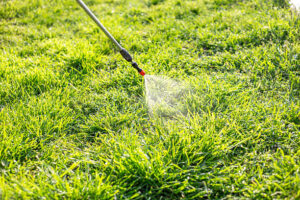
Preventive treatments applied in early to midsummer target grubs while they’re young and most vulnerable, addressing the population before significant root damage has had a chance to occur. This approach tends to be considerably more effective than waiting until damage is already visible, since at that point the treatment is working against harm that’s already underway rather than preventing it in the first place.
What to Do If You’re Already Seeing Damage
If turf damage has already appeared, treatment can still reduce the current grub population and prevent further harm, though the lawn itself will likely need additional recovery steps like overseeding to fill in areas where roots were lost. Fertilization and, in some cases, aeration can also support faster recovery by giving new grass roots the conditions they need to establish more quickly in damaged areas.
Homeowners noticing early warning signs before summer fully arrives are often searching for grub control near me to get ahead of the problem before significant damage occurs. Acting during this preventive window tends to produce far better outcomes than waiting until brown patches and wildlife digging make the problem impossible to ignore.
FAQs
When is the best time to start preventive grub treatment? Early to midsummer is generally the ideal window, since this targets grubs while they’re young and most vulnerable, before significant root damage has occurred.
How can I tell if animal digging in my lawn is actually related to grubs? If digging is concentrated in specific patches rather than spread evenly, and appears alongside brown or spongy turf, grubs are a likely cause worth confirming with a simple soil check.
Will one summer of preventive treatment solve grub problems permanently? Preventive treatment significantly reduces risk for that season, but since new beetles can lay eggs each summer, ongoing seasonal treatment is generally recommended to keep grub populations under control year after year.
Bull Run Turf Care & Pest Control 4229 Lafayette Center Dr STE 1825, Chantilly, VA 20151, United States