
Key Takeaways
- Fleas and ticks thrive in shaded, humid areas of the yard, including tall grass, leaf litter, and dense shrubs.
- Tick-borne illnesses are a genuine health concern in Northern Virginia, making yard treatment more than just a matter of comfort.
- Regular flea and tick control treatment reduces risk for both pets and family members who spend time outdoors.
Why Chantilly Yards Are Prone to Fleas and Ticks
Chantilly’s humid climate and mix of wooded and grassy residential areas create favorable conditions for fleas and ticks throughout much of the year. These pests thrive in shaded, moist environments, which means yards with mature trees, dense shrubs, or areas of taller grass tend to see higher populations than open, well-maintained lawns.
Health Risks to Pets and Family Members
Tick-Borne Illness Concerns in Northern Virginia
Ticks in this region are known carriers of several illnesses that can affect both pets and people, making tick presence in a yard more than just an inconvenience. Fleas, while generally less associated with serious illness in humans, can cause significant discomfort for pets and are notoriously difficult to fully eliminate once they’ve established indoors, since a yard infestation often leads directly to an indoor one via pets.
Where Fleas and Ticks Hide in Your Yard
Fleas and ticks tend to concentrate in specific areas rather than spreading evenly across a yard. Shaded spots along fence lines, areas with leaf litter or brush piles, and the edges where lawn meets wooded or overgrown areas are common hiding spots. Ticks in particular tend to wait on tall grass or vegetation for a host to brush past, which is why maintaining shorter grass in high-traffic areas can help reduce exposure.
How Professional Flea and Tick Treatment Works
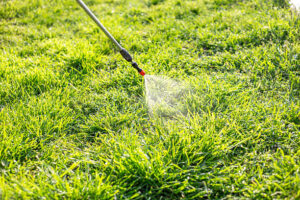
Professional treatment typically targets the specific areas of a yard most likely to harbor fleas and ticks, rather than treating the entire property uniformly. This often includes shaded areas, the perimeter of wooded sections, and spots where pets spend the most time. Because flea and tick populations can rebound relatively quickly, treatment is generally most effective when applied on a recurring schedule throughout the warmer months when these pests are most active.
Reducing Risk Between Treatments
Keeping grass mowed to a reasonable height, removing leaf litter and brush piles, and creating a clear boundary between maintained lawn and any wooded or overgrown areas all help reduce the habitat fleas and ticks rely on. Checking pets regularly after outdoor time, particularly after visits to shaded or wooded areas, remains an important habit even with regular yard treatment in place.
Families dealing with flea or tick issues in their yard often search flea and tick control near me to find local treatment options quickly, especially once pets or family members start showing signs of bites. A recurring flea and tick control Chantilly plan targets the specific conditions in your yard that are allowing these pests to thrive.
FAQs
How often should my yard be treated for fleas and ticks? Treatment is generally most effective on a recurring schedule throughout the warmer months, since flea and tick populations can rebound relatively quickly between visits.
Is yard treatment enough, or do I also need to treat my pets directly? Yard treatment reduces the overall population your pets are exposed to, but it’s generally recommended alongside direct flea and tick prevention products for pets as an added layer of protection.
What areas of my yard are most likely to have fleas and ticks? Shaded areas, leaf litter, brush piles, and the border where maintained lawn meets wooded or overgrown vegetation tend to have the highest concentrations of both pests.
Bull Run Turf Care & Pest Control 4229 Lafayette Center Dr STE 1825, Chantilly, VA 20151, United States