Key Takeaways:
- Eco-friendly pest control uses reduced-risk products and targeted application methods that can be just as effective as traditional treatment when applied correctly.
- The biggest difference often lies in application strategy and product selection rather than a significant gap in overall effectiveness.
- Eco-friendly treatment is especially appealing for households with children, pets, or gardens, where minimizing chemical exposure is a priority.
As more homeowners become conscious of what’s being applied in and around their homes, eco-friendly pest control has grown from a niche request into a mainstream option offered by most reputable providers. But a common question remains: does choosing an eco-friendly approach mean sacrificing effectiveness compared to traditional pest control treatment? Understanding how these methods actually compare can help you make an informed decision based on your household’s specific needs and priorities.
This article breaks down what eco-friendly pest control actually involves, how it compares to traditional treatment, and who tends to benefit most from choosing this approach.
What Makes Pest Control “Eco-Friendly”?
Eco-friendly pest control generally refers to treatment approaches that use reduced-risk products, often derived from natural or plant-based sources, combined with more targeted application methods designed to minimize chemical use while still effectively addressing pest activity. Rather than relying solely on broad-spectrum synthetic pesticides, eco-friendly treatment plans often emphasize prevention, exclusion, and precise, targeted application.
This doesn’t mean eco-friendly treatment avoids all products entirely. Many eco-conscious pest control plans still use EPA-registered products, but prioritize those with lower toxicity profiles and apply them in more targeted, controlled ways rather than broad, blanket spraying.
Why Application Method Matters as Much as Product Choice
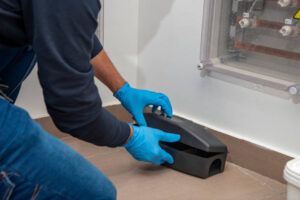
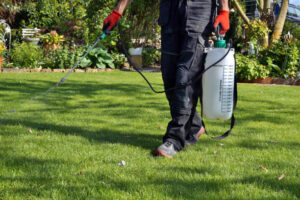
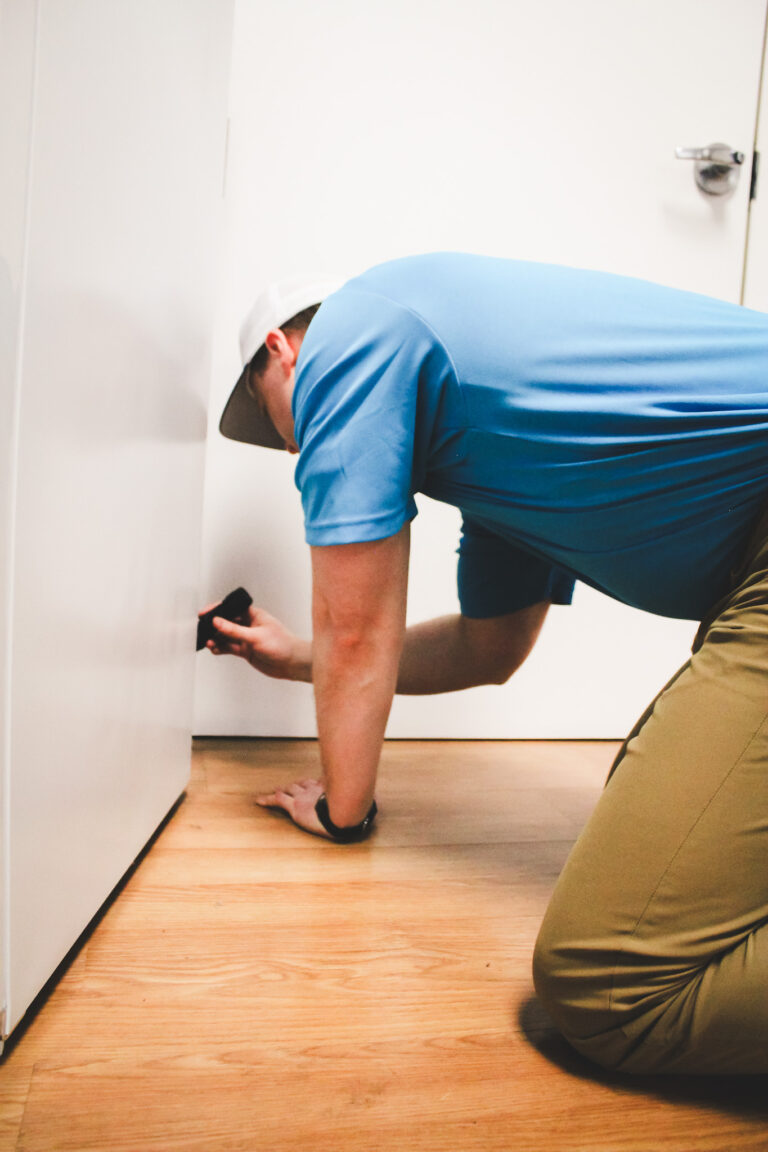
One of the most significant differences between eco-friendly and traditional pest control often isn’t the products themselves, but how they’re applied. Targeted application directly at entry points, nesting areas, and high-activity zones, rather than broad perimeter spraying, reduces overall chemical use while maintaining strong effectiveness against the actual pest pressure present.
Is Eco-Friendly Treatment as Effective?
In most cases, yes, particularly when the treatment plan is built around proper identification and targeted application rather than relying on a single, less potent product to address every pest situation. The effectiveness gap, where it exists, often comes down to application strategy and thoroughness rather than the inherent strength of eco-friendly products themselves.
That said, some severe or persistent infestations may require a more aggressive treatment approach initially, with eco-friendly methods used for ongoing maintenance and prevention once the initial issue has been brought under control. A knowledgeable provider should be able to explain this distinction clearly based on your specific situation.
When Traditional Treatment May Still Be Necessary
For certain severe infestations, particularly those involving structural pests like termites or significant rodent populations, traditional treatment methods may be more appropriate for initial control, with eco-friendly approaches incorporated for long-term prevention and maintenance afterward. A thorough provider should assess your specific situation rather than defaulting to one approach regardless of severity.
Who Benefits Most From Eco-Friendly Pest Control?
Eco-friendly pest control tends to be particularly appealing for a few specific situations.
Households with young children or pets often prioritize reduced chemical exposure, particularly for treatments applied indoors or in areas where kids and pets spend significant time.
Households with vegetable gardens or edible landscaping benefit from eco-friendly approaches that minimize the risk of chemical exposure affecting food-producing plants near treated areas.
Environmentally conscious homeowners simply prefer minimizing their overall chemical footprint, even when traditional treatment wouldn’t pose a significant practical risk.
Why Transparency About Products Matters
Regardless of whether you choose an eco-friendly or traditional approach, a reputable provider should be transparent about exactly what products are being used and why. This transparency allows you to make an informed decision based on your household’s specific priorities, rather than simply trusting a label without understanding what’s actually being applied.
What to Ask When Choosing an Eco-Friendly Provider
A few questions help clarify whether a provider’s eco-friendly approach will genuinely meet your needs:
- What specific products are used, and what makes them lower-risk?
- How does the treatment approach differ from standard pest control?
- Is eco-friendly treatment effective for the specific pest issue I’m dealing with?
- Are follow-up visits included if initial treatment doesn’t fully resolve the issue?
Getting clear answers to these questions helps ensure you’re choosing a provider with genuine eco-friendly expertise, not just a marketing label applied to standard treatment.
Combining Eco-Friendly Methods With Effective Results
The best eco-friendly pest control plans don’t sacrifice results for the sake of reduced chemical use. Instead, they rely on more precise identification, targeted application, and preventative measures like exclusion work to achieve comparable results to traditional treatment, while minimizing unnecessary chemical exposure throughout the property.
Schedule an Eco-Friendly Pest Control Consultation
If minimizing chemical exposure is a priority for your household, eco-friendly pest control offers an effective alternative to traditional treatment when applied by a knowledgeable provider. A consultation can help determine the right approach based on your specific pest concerns and household priorities.
For homeowners searching for eco-friendly pest control near me, reaching out for a consultation is the best way to discuss treatment options suited to both your pest issue and your environmental preferences.
Frequently Asked Questions
Is eco-friendly pest control less effective than traditional treatment?
Not necessarily. When applied with proper identification and targeted application, eco-friendly treatment can be just as effective for most common pest issues, though severe infestations may initially require a more aggressive approach.
What products are typically used in eco-friendly pest control?
Eco-friendly plans often use reduced-risk, sometimes plant-based products, combined with targeted application methods that minimize overall chemical use while still effectively addressing pest activity.
Is eco-friendly pest control safe for homes with gardens?
Yes, this is one of the main reasons households choose eco-friendly treatment, since it reduces the risk of chemical exposure affecting nearby vegetable gardens or edible landscaping.
Bull Run Turf Care & Pest Control
4229 Lafayette Center Dr STE 1825, Chantilly, VA 20151, United States