

Before You Dive In — 3 Key Takeaways:
- Fairfax County’s dense commercial corridors — from Tysons to Route 1 — create ideal conditions for pest pressure that affects businesses year-round.
- Commercial pest control goes beyond extermination: it includes documentation, compliance, and integrated prevention strategies.
- Proactive pest management protects your business reputation, avoids health code violations, and reduces long-term costs.
Fairfax County is home to one of the most economically dynamic business communities in the entire Mid-Atlantic region. From the gleaming office towers near Tysons Corner to the restaurants and retail centers lining Route 50, and the warehouses and industrial facilities clustered near I-66, the county’s commercial landscape is dense, diverse, and unforgiving when it comes to business reputation.
In that environment, a pest problem is never just a pest problem. For a Fairfax restaurant, a single cockroach sighting reported on a health inspection form can trigger a mandated closure. For a Tysons office building, a rodent in the server room can mean both a liability issue and a dramatic spike in facilities complaints. Commercial pest control fairfax businesses need isn’t a luxury or an afterthought — it’s a fundamental part of responsible facility management.
The Unique Commercial Pest Challenges Facing Fairfax County Businesses
Fairfax County presents a specific set of commercial pest challenges that set it apart from other Northern Virginia jurisdictions. The county’s diverse geography — ranging from dense urban corridors to mature wooded suburbs — means that commercial properties face pest pressure from multiple directions simultaneously.
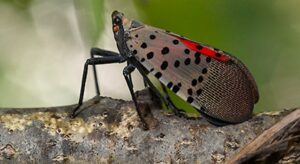
Properties near the Beltway corridor and older commercial developments along Route 1 and Route 7 deal with building stock that dates back decades, creating the kind of structural gaps, aging plumbing, and utility penetrations that give rodents and cockroaches easy access. Meanwhile, the proximity of commercial properties to the county’s extensive park system and wooded areas means that pressure from seasonal pests — stinging insects, spotted lanternflies, and overwintering rodents — is a constant reality.
Commercial pest control in Fairfax County must account for both the structural vulnerabilities of individual facilities and the environmental pest pressure of the surrounding landscape — a combination that requires genuine local expertise to manage effectively.
Which Fairfax Industries Face the Highest Pest Risk?
Not all commercial properties face equal pest pressure. Based on the nature of their operations, certain Fairfax County industries consistently face the highest infestation risk:
Restaurants and food service face the most complex pest environment of any commercial sector. Constant food availability, moisture from dishwashing and food prep, warmth from cooking equipment, and high foot traffic from delivery and customer access create conditions that virtually every pest species finds attractive.
Hospitality facilities — hotels and extended-stay properties — face the additional threat of bed bugs, which are introduced by guests and spread rapidly through shared spaces. A bed bug complaint in a hospitality facility can be devastating online.
Government contractor facilities and federal office buildings in Fairfax County often have strict facility standards that require documented pest management programs as part of their lease or contract compliance requirements.
Retail centers see pest introduction through high-volume deliveries of packaging and goods, as well as through the consistent foot traffic that makes it difficult to maintain sealed perimeters.
Healthcare facilities treat any pest activity as a compliance emergency. Rodents or insects in a medical setting create infection control concerns that go far beyond ordinary pest management.
What Integrated Pest Management (IPM) Means for Your Fairfax Business
The gold standard for commercial pest management in Fairfax County is Integrated Pest Management — a science-based approach that prioritizes inspection, monitoring, and targeted interventions over broad-spectrum chemical applications. IPM focuses on understanding why pests are present, addressing the root causes of their access and harborage, and applying chemical treatments only when and where they’re truly necessary.
For Fairfax County businesses, IPM is the approach that delivers the best combination of effectiveness, safety, and regulatory compliance. Unlike reactive spray-and-pray programs, IPM-based service produces documentation at every visit, creates a cumulative record of pest activity trends, and builds toward long-term reduction in pest pressure rather than simply controlling whatever outbreak is currently visible.
Searching for commercial pest control near me and finding a provider who can clearly articulate an IPM approach is one of the most reliable indicators that you’re dealing with a qualified, professional company.
IPM Documentation: Why Your Health Inspector Will Ask for It
Fairfax County health inspectors conduct both announced and unannounced inspections of food service facilities, and pest control documentation is a standard component of what they review. An IPM-based commercial pest control provider documents every service visit with a written log that includes the date of service, the technician’s findings, the treatment applied, pest activity levels observed, and any corrective actions recommended.
This paper trail demonstrates to inspectors that your facility has an active, compliant pest management program — not just reactive treatment when problems appear. Businesses without this documentation start every health inspection at a disadvantage.
The Most Common Commercial Pests in Fairfax, VA
Rodents — mice and rats — are the most structurally damaging and health-threatening commercial pest in Fairfax County. They chew through wiring, contaminate food supplies, and spread disease through their droppings and urine. Older commercial buildings along Fairfax County’s busiest corridors are particularly vulnerable.
German cockroaches are the dominant cockroach species in food service environments throughout Northern Virginia. Unlike American cockroaches, which typically enter from outside, German cockroaches are introduced inside facilities — often through delivery packaging — and breed explosively in warm, moist environments like kitchen equipment gaps, behind refrigerators, and under commercial dishwashers.
Fruit flies are a year-round issue in food service, breeding in any fermenting organic matter — floor drain buildup, overripe produce, spilled beverages — in quantities that standard cleaning misses.
Ants — particularly odorous house ants and pavement ants — infiltrate food storage and prep areas through the smallest gaps in building envelopes, forming colonies that can number in the millions and are extremely difficult to eliminate without species-specific baiting strategies.
Stinging insects — yellowjackets, European hornets, and paper wasps — build nests on exterior walls, awnings, and roofline gaps of Fairfax County commercial buildings every spring and summer, creating safety and liability risks for employees and customers using exterior entrances.
Why German Cockroaches Are the #1 Commercial Pest Threat in Northern Virginia
German cockroaches deserve special mention because they are, by a significant margin, the most difficult commercial pest to control once established. A single female German cockroach can produce up to 40 eggs per case and may produce five to six cases in her lifetime — meaning a small introduction can become a major infestation in weeks.
Critically, German cockroaches have developed resistance to many common consumer-grade insecticides. Spraying with over-the-counter products often causes colony scatter — splitting the population into new harborage areas throughout the facility — which actually makes the infestation worse. Only species-specific gel baiting and professional crack-and-crevice treatment reliably eliminates German cockroach colonies.
Scheduling Commercial Pest Control in Fairfax: How Often Is Enough?
The right treatment frequency for your Fairfax County facility depends on your industry, pest risk level, and regulatory requirements:
Food service and restaurants: Monthly service is the minimum standard for most Virginia health inspectors. High-volume operations or facilities with recurring pest history benefit from bi-monthly service.
Offices and retail: Quarterly service is appropriate for most low-risk commercial environments, with additional visits scheduled during peak pest seasons.
Healthcare and government facilities: Service frequency is typically defined by contract requirements. Monthly or bi-monthly service with documented IPM protocols is standard.
Bull Run Turf Care & Pest Control's Commercial Services in Fairfax
Bull Run Turf Care & Pest Control brings licensed, locally experienced commercial pest management to Fairfax County businesses of all sizes. Their commercial service model is built around the IPM principles that Fairfax County’s regulatory environment demands, with a documentation system that gives business owners and property managers the paper trail they need for compliance purposes.
Bull Run’s flexible scheduling — including early morning, evening, and weekend service windows — ensures that commercial treatments happen at times that minimize disruption to your business operations. For urgent situations, their local presence in the Chantilly area means faster emergency response than national pest control chains can typically provide.
Frequently Asked Questions
Can pest control be scheduled after business hours to avoid disruption?
Absolutely. Bull Run Turf Care & Pest Control offers flexible scheduling for commercial clients who need service outside of standard business hours. Early morning treatment before staff arrives, evening service after closing, or weekend applications can all be arranged to minimize operational disruption. Coordinating timing with your service provider from the outset of your contract is the most effective approach.
What happens if pests return between scheduled treatments?
Reputable commercial pest control providers stand behind their service with re-service guarantees that cover return visits between scheduled treatments at no additional charge when pest activity is reported. If your service agreement doesn’t include this guarantee, it’s worth negotiating before you sign. Guaranteed re-service is a hallmark of a confident, professional commercial pest management provider.
How do I know if my current pest control provider is effective?
Signs that your current provider may not be delivering adequate results include: recurring pest sightings between treatment visits, inability to produce written service documentation on request, no inspection component at service visits, reactive-only scheduling (they only come when you call with a problem), and consistently rotating technicians who aren’t familiar with your facility’s specific vulnerabilities. A strong commercial provider inspects proactively, documents consistently, and maintains service continuity.
Fairfax County’s business environment is too competitive and too closely watched by health inspectors and online reviewers to leave pest management to chance. Connect with Bull Run Turf Care & Pest Control to schedule a commercial facility assessment and build a proactive program that protects your business before a pest problem becomes a public one.
Bull Run Turf Care & Pest Control 4229 Lafayette Center Dr STE 1825, Chantilly, VA 20151, United States