Key Takeaways:
- A complete commercial lawn care plan typically combines recurring mowing, seasonal turf treatments, and property cleanup into one coordinated service.
- Loudoun County’s mix of office parks, retail centers, and community properties each have slightly different commercial lawn care needs.
- A thorough provider should offer clear documentation of what’s included, what’s billed separately, and how service scales for larger properties.
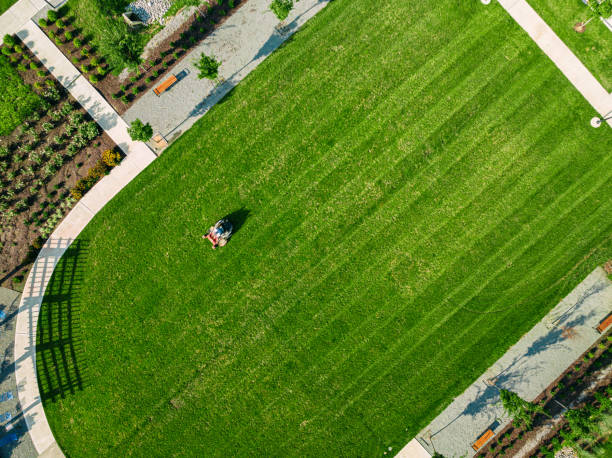
Commercial lawn care covers more ground, literally and figuratively, than most property owners expect when they first start comparing providers. Beyond basic mowing, a complete commercial plan typically includes seasonal turf treatments, scheduled cleanup, and the equipment needed to maintain consistency across large, multi-acre properties. Understanding exactly what’s included helps property managers and business owners in Loudoun County set realistic expectations and compare providers accurately.
This article breaks down the core components of a commercial lawn care plan, how needs vary across different property types, and what a thorough service agreement should clearly outline.
What’s Typically Included in Commercial Lawn Care
A standard commercial lawn care plan generally includes several recurring services scheduled throughout the growing season.
Mowing, edging, and trimming form the core of most plans, scheduled weekly during peak growing season and adjusted to biweekly or monthly as growth slows later in the year. Consistency here is what most directly affects a property’s day-to-day appearance.
Seasonal turf treatments, including fertilization, weed control, and aeration, are typically included or offered as scheduled add-ons, helping maintain healthy, dense turf across large common areas, entrance landscaping, and parking lot islands.
Cleanup and debris removal after each visit is standard, ensuring walkways, parking areas, and entrances stay clear, particularly important for properties with regular public or employee foot traffic.
Why Scope of Service Varies by Property Size
Larger commercial properties, particularly those with multiple buildings, parking structures, or extensive common areas, often require more detailed service agreements that specify exactly which sections are included in routine mowing versus areas that may need separate scheduling or specialized equipment. Clarifying this scope upfront helps avoid confusion once service begins.
How Commercial Lawn Care Needs Vary by Property Type
Loudoun County’s commercial landscape includes a wide range of property types, each with slightly different lawn care priorities.
Office parks and business campuses typically prioritize consistent, professional curb appeal across building entrances and shared parking areas, since these spaces are seen daily by employees, clients, and visitors.
Retail centers often need lawn care scheduled around high customer traffic, with particular attention to entrance landscaping and visible roadside areas that directly affect first impressions for passing customers.
HOA and community properties require coordination across shared common areas, community entrances, and amenity spaces, often with additional communication between the provider and a property management company or community board.
Why One-Size-Fits-All Plans Often Fall Short
A generic commercial lawn care package that doesn’t account for a property’s specific layout, traffic patterns, or visibility can leave gaps in service, either over-servicing low-priority areas or under-servicing high-visibility spaces that matter most for a property’s overall appearance. A thorough provider should tailor the plan based on the actual property rather than applying a fixed, generic template.
What a Thorough Service Agreement Should Include
When comparing commercial lawn care providers, look for agreements that clearly outline the following details:
- Exact scope of mowing and maintenance areas covered
- Mowing frequency and how it adjusts seasonally
- Which seasonal treatments are included versus billed separately
- Cleanup and debris removal procedures after each visit
- Policy for handling missed visits due to weather
Clear documentation upfront helps avoid misunderstandings and ensures both the property owner and provider are aligned on expectations from the start.
Why Equipment and Crew Size Affect Service Quality
Commercial properties require larger mowers, more efficient crews, and the ability to complete service within a defined time window without disrupting business operations. A provider without the appropriate equipment or crew capacity may struggle to maintain consistent scheduling on larger properties, leading to service delays or inconsistent results across different sections of the property.
Commercial Lawn Care Across the Broader Region
For property managers overseeing multiple commercial locations, working with a provider experienced in commercial lawn care northern virginia properties more broadly helps ensure consistent service standards across every site, rather than relying on different providers with varying levels of expertise and equipment at each location.
Get a Custom Commercial Lawn Care Quote
Understanding exactly what’s included in a commercial lawn care plan helps property managers and business owners in Loudoun County compare providers accurately and avoid unexpected gaps in service. A thorough provider should be transparent about scope, scheduling, and pricing from the very first conversation.
For property managers and business owners searching for commercial lawn care near me in Loudoun County, reaching out for a property assessment is the best way to get a plan tailored to your property’s specific size, layout, and visibility needs.
Frequently Asked Questions
What’s typically included in a commercial lawn care plan?
Most plans include recurring mowing, edging, and cleanup, with seasonal treatments like fertilization, weed control, and aeration included or available as scheduled add-ons.
Does commercial lawn care differ based on property type?
Yes. Office parks, retail centers, and HOA communities each have different priorities, from employee-facing curb appeal to customer visibility to coordinated common area maintenance.
What should a commercial lawn care agreement clearly outline?
A thorough agreement should specify the exact areas covered, mowing frequency, which seasonal treatments are included versus billed separately, and the provider’s policy for weather-related delays.
Bull Run Turf Care & Pest Control
4229 Lafayette Center Dr STE 1825, Chantilly, VA 20151, United States