Key Takeaways
Spotted lanternfly populations grow exponentially without early intervention. A small number of egg masses left untreated can multiply into a large infestation within a single season. Treatment timing depends on the insect’s life cycle. Nymphs, adults, and egg masses each respond differently to treatment, making the timing of intervention as important as the treatment itself. Waiting until an infestation is visible often means more extensive, costlier treatment. Addressing the problem in its early stages is typically far more manageable than trying to control an established population.
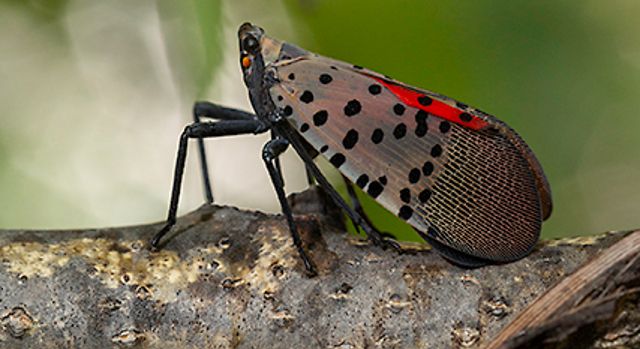
The spotted lanternfly’s spread across Northern Virginia has made early treatment one of the most important factors in controlling infestations before they become unmanageable. What often starts as a small, easy-to-miss presence on a single tree can escalate quickly, and understanding why timing matters so much can help homeowners avoid the more difficult and costly process of controlling a fully established population.
Because the insect’s spread has been relatively rapid over the past several years, many homeowners are still learning what an early-stage infestation actually looks like, which means opportunities for early intervention are often missed simply due to a lack of familiarity with the warning signs.
The Spotted Lanternfly’s Spread Across Northern Virginia
A spotted lanternfly exterminator northern Virginia homeowners search for has become an increasingly common need as the insect continues to establish itself throughout the region. What makes this pest particularly challenging is its rapid reproduction rate combined with its ability to travel between properties, both on its own and by hitching rides on vehicles, outdoor furniture, and firewood.
Because of this mobility, even properties that show no signs of infestation one season can see a noticeable population the following year, particularly if nearby trees or neighboring properties have gone untreated. This regional spread pattern is part of why some form of proactive monitoring, rather than waiting for signs of trouble, has become increasingly common advice among pest professionals in the area.
Why Early Treatment Makes a Measurable Difference
The difference between treating a small population early and waiting until an infestation is fully established often comes down to how many life stages are present and how widespread the egg masses have become.
Life Cycle Stages and Treatment Timing
Spotted lanternflies move through several distinct life stages each year, from egg masses laid in fall through nymph stages in spring and summer before reaching adulthood. Each stage responds differently to treatment, and addressing the population while it’s still concentrated in early nymph stages or egg masses is generally more effective than trying to control large numbers of mobile, jumping adults later in the season.
The Cost of Waiting Until Infestations Are Visible
By the time an infestation becomes visibly obvious, with dozens or hundreds of insects covering trees and structures, the population has often already spread egg masses across multiple locations on the property. This typically means treatment needs to be more extensive, addressing not just the visible adults but also searching for and treating egg masses that will otherwise hatch again the following spring, which extends both the scope and cost of the overall treatment plan.
What Homeowners Should Expect From a Spotted Lanternfly Exterminator
A professional spotted lanternfly exterminator typically begins with a thorough property inspection to identify host trees, existing egg masses, and any signs of active feeding. From there, treatment plans are built around the specific life stages present, often combining trunk treatments, targeted spraying, and manual egg mass removal to address the population from multiple angles rather than relying on a single method.
Because reinfestation from nearby, untreated properties is common in areas with high lanternfly activity, ongoing monitoring and follow-up treatment are often part of a realistic long-term plan, particularly for properties near wooded buffers or undeveloped land.
How to Choose a Spotted Lanternfly Exterminator Near Me
When searching for a spotted lanternfly exterminator near me, homeowners should prioritize providers with specific experience treating this pest rather than general pest control services, since lanternfly control requires knowledge of the insect’s life cycle and preferred host plants. Asking how a provider approaches off-season treatment, such as egg mass removal during fall and winter, is a good indicator of how proactive their overall strategy is.
A provider familiar with the seasonal patterns across Northern Virginia can also set realistic expectations for how long treatment will take and what results homeowners should expect to see over time, which helps avoid the frustration of expecting immediate, complete elimination.
Monitoring for Reinfestation After Initial Treatment
Even after a property’s population has been significantly reduced, ongoing monitoring remains an important part of long-term control. Periodic checks for new egg masses, particularly heading into fall, help catch any reintroduction before it has a chance to establish into a larger population the following year. This is especially relevant for properties near wooded buffers or undeveloped land, where new insects migrating in from untreated areas remain a realistic possibility even years after the original infestation was addressed.
Many providers build this kind of monitoring directly into a season-long service plan, treating the first year’s intensive treatment as the foundation for a lighter, maintenance-level schedule in subsequent years rather than assuming the problem is permanently resolved after a single season of work.
Monitoring for Reinfestation After Initial Treatment
Because spotted lanternflies don’t respect property boundaries, some of the most effective long-term results across Northern Virginia have come from coordinated treatment efforts involving multiple neighboring properties rather than a single isolated yard. When several homeowners on the same street schedule treatment around the same time, the overall population pressure in the immediate area tends to drop more significantly than when only one property is treated while others nearby remain untouched.
This kind of coordination isn’t always practical, but even informal conversations with neighbors about treatment timing can help. A professional exterminator working across a neighborhood is often well-positioned to flag which nearby properties appear to be contributing to reinfestation, giving homeowners a clearer picture of where the ongoing pressure is actually coming from.
Frequently Asked Questions
How quickly can a spotted lanternfly population grow if left untreated? Populations can expand significantly within a single season, particularly during peak summer feeding months, since each egg mass laid in fall can produce dozens of new insects the following year.
Is it possible to fully eliminate spotted lanternflies from a property? Because spotted lanternflies travel between properties, complete elimination is difficult to guarantee, but consistent, well-timed treatment can significantly reduce populations and keep numbers manageable over time.
What should homeowners do if they spot an egg mass? Egg masses can be scraped off and destroyed if accessible, but a professional inspection is often necessary to locate masses in less obvious spots, such as higher branches or the undersides of outdoor structures.
Long-Term Outlook for Spotted Lanternfly Management
While spotted lanternflies are likely to remain present throughout Northern Virginia for the foreseeable future, consistent, well-timed treatment has proven effective at keeping populations manageable on individual properties. Homeowners who commit to a season-long approach, rather than reactive spot treatment, tend to see population pressure decline noticeably over consecutive years, even if complete elimination isn’t realistic given the pest’s continued presence across the broader region.
Bull Run Turf Care & Pest Control 4229 Lafayette Center Dr STE 1825, Chantilly, VA 20151, United States