Key Takeaways:
- Professional exterminators can significantly reduce spotted lanternfly populations through targeted treatment of host trees, egg masses, and active infestation sites.
- Complete elimination is difficult since spotted lanternflies can migrate from neighboring properties, making ongoing seasonal treatment more effective than a single visit.
- Early intervention, especially egg mass removal in late fall and winter, plays a major role in reducing next season’s population before it ever hatches.
Spotted lanternflies have rapidly become one of the most disruptive invasive pests in the region, swarming trees, patios, and outdoor spaces in overwhelming numbers during late summer and fall. For homeowners dealing with an active infestation, the obvious question is whether an exterminator can actually solve the problem, or whether spotted lanternflies are simply something to tolerate each season.
This article explains what professional spotted lanternfly treatment actually involves, how effective it is at reducing populations, and why a seasonal, ongoing approach tends to produce better results than a single one-time visit.
Can Spotted Lanternflies Actually Be Eliminated?
Complete, permanent elimination of spotted lanternflies on a single property is difficult, largely because these insects are highly mobile and can migrate in from neighboring trees, wooded areas, and properties throughout the season. Even with thorough treatment, new lanternflies can arrive from surrounding areas, particularly if nearby properties have untreated host trees like the Tree of Heaven, a preferred breeding site for this species.
That said, professional treatment can dramatically reduce the population present on and around your property, significantly improving the usability of outdoor spaces and reducing the swarming, staining, and plant damage associated with heavy infestations.
Why Spotted Lanternflies Are Difficult to Control Completely
Unlike pests that nest exclusively on a single property, spotted lanternflies are strong, fast-moving insects capable of traveling significant distances. This means even a property treated thoroughly can still see lanternfly activity if surrounding areas remain untreated, which is why regional, community-wide awareness plays a role in overall population control alongside individual property treatment.
What Does Professional Spotted Lanternfly Treatment Include?
A comprehensive treatment approach typically targets the pest at multiple stages of its life cycle rather than relying on a single method.
Host tree treatment is often central to an effective plan, since spotted lanternflies are strongly drawn to specific tree species, particularly the Tree of Heaven. Treating or removing these host trees significantly reduces the attraction and breeding success of lanternflies on a property.
Egg mass removal and treatment addresses the pest before it ever hatches. Spotted lanternfly egg masses, often found on tree bark, outdoor furniture, and even vehicles, can be scraped off and destroyed or treated during fall and winter months, directly reducing the following season’s population.
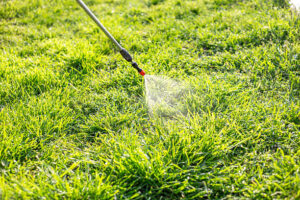
Targeted insecticide application is used to address active nymphs and adult lanternflies during peak activity season, typically applied to host trees and high-traffic areas where lanternflies congregate.
Why Timing Affects Treatment Effectiveness
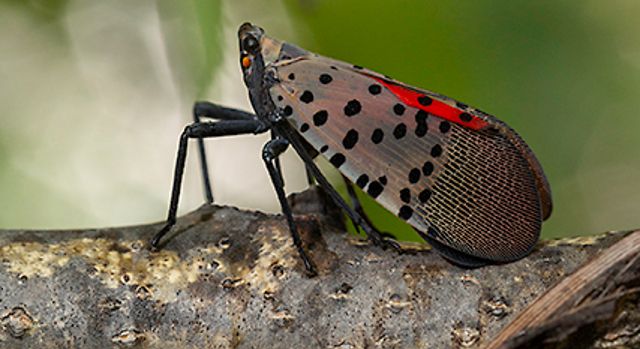
Spotted lanternflies go through several life stages throughout the year, from egg masses in fall and winter to nymphs in spring and adults by mid-to-late summer. Treatment timed to specific life stages tends to be more effective than a single, generically timed application, which is why professional plans often involve multiple visits spaced throughout the year rather than one isolated treatment.
Why DIY Spotted Lanternfly Control Often Falls Short
Homeowners often attempt DIY methods like manually squashing visible lanternflies or using sticky bands on tree trunks. While these methods can reduce some visible activity, they typically don’t address the underlying egg masses or host tree attraction driving the larger infestation, meaning populations often rebound the following season.
DIY insecticide applications also carry risk if not applied correctly, particularly around trees that attract beneficial pollinators, making professional application both more effective and safer for the surrounding landscape.
The Role of Egg Mass Removal in Long-Term Control
Each spotted lanternfly egg mass can contain dozens of eggs, meaning a relatively small number of overlooked egg masses can lead to a significant population the following season. Thorough, professional spotted lanternfly exterminator treatment places significant emphasis on locating and addressing egg masses during the dormant season, which is one of the most effective ways to reduce population numbers before the next active season even begins.
What Results Should You Expect From Treatment?
While complete elimination isn’t typically realistic given the pest’s mobility, homeowners who invest in professional treatment generally see a significant reduction in lanternfly activity, particularly around treated host trees and high-traffic outdoor areas. Multi-visit seasonal plans tend to produce more consistent, lasting results than a single treatment, since they address the pest across its full life cycle rather than just the active adult stage.
Why Seasonal, Recurring Treatment Performs Best
Because spotted lanternflies move through distinct life stages and can migrate from untreated areas, an ongoing seasonal treatment plan, addressing egg masses in winter, nymphs in spring, and adults in summer and fall, produces more reliable long-term reduction than a single isolated visit. This layered approach addresses the pest at its most vulnerable points throughout the year.
Spotted Lanternfly Control for Chantilly Properties
Local tree populations, particularly the prevalence of Tree of Heaven in wooded and undeveloped areas, significantly affect spotted lanternfly pressure for properties in this region. A spotted lanternfly exterminator Chantilly homeowners trust should have direct experience identifying local host trees and treating properties based on the specific seasonal patterns common to the area.
Schedule Spotted Lanternfly Treatment
If spotted lanternflies have become a recurring problem on your property, professional treatment offers the most effective way to reduce their numbers and protect your trees and outdoor spaces. Treatment timed around the pest’s life cycle, rather than a single reactive visit, produces the most lasting results.
For homeowners searching for spotted lanternfly exterminator near me, reaching out before peak season ensures your property is treated at the most effective points in the lanternfly life cycle.
Frequently Asked Questions
Can an exterminator completely get rid of spotted lanternflies?
Complete elimination is difficult due to the pest’s mobility and ability to migrate from neighboring properties, but professional treatment can significantly reduce populations and outdoor activity on your property.
When is the best time to treat for spotted lanternflies?
Treatment is most effective when timed across the pest’s life cycle, including egg mass removal in fall and winter and targeted treatment of nymphs and adults during spring and summer.
Do I need ongoing treatment, or is one visit enough?
Ongoing, seasonal treatment generally produces better results than a single visit, since it addresses the pest at multiple life stages and accounts for new lanternflies migrating in from untreated areas.
Bull Run Turf Care & Pest Control
4229 Lafayette Center Dr STE 1825, Chantilly, VA 20151, United States