Key Takeaways
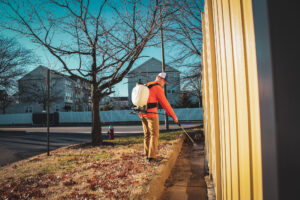
Pre-emergent stops weeds before you ever see them. It keeps sprouting weed seeds from developing, so they never make it above the soil.
Fall treatment goes after winter weeds. Weeds like annual bluegrass, henbit, and chickweed sprout as the soil cools in fall, so treatment has to be down before that happens.
Timing is everything. Put it down too late, and pre-emergent misses the very weeds it’s meant to stop.
Most people think about weeds in the spring, when crabgrass and dandelions start popping up. But some of the most stubborn weeds in Chantilly lawns actually sprout in the fall and spend all winter quietly settling in. By the time you notice them in March, they’ve already got a good foothold. That’s where fall pre-emergent weed control Chantilly homeowners use really earns its keep. We’re Bull Run Turf Care & Pest Control, and we take care of lawns all over our community. Here’s how pre-emergent works, why fall timing matters so much, and how to keep your lawn clean all year.
What Is Pre-Emergent Weed Control?
Pre-emergent is a treatment that goes down before weeds show up. It forms a thin barrier in the top layer of soil, and when weed seeds start to sprout, that barrier stops the seedlings from developing. They never make it to the surface.
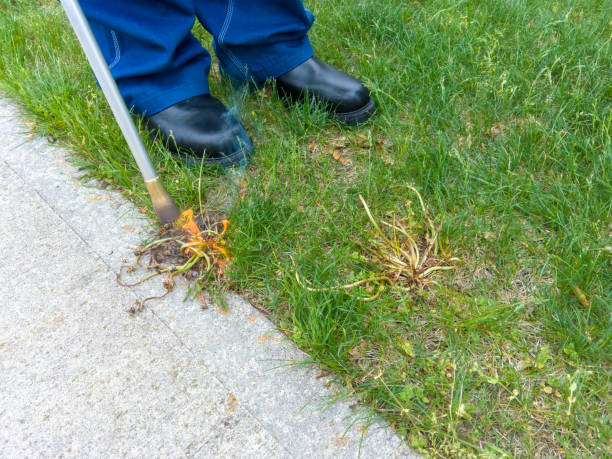
That’s different from post-emergent weed control, which goes after weeds that are already growing. Pre-emergent is all about prevention. Once a weed has broken through the soil, pre-emergent won’t touch it.
Why Prevention Works So Well
It’s a lot easier to stop a weed before it grows than to get rid of one that’s already rooted and dropping seeds. A well-timed pre-emergent can keep whole waves of weeds from ever showing up, which means a cleaner lawn and a lot less work later.
Why Fall Pre-Emergent Matters in Chantilly
Weeds don’t all sprout at the same time. Summer weeds, like crabgrass, sprout in spring as the soil warms. Winter weeds sprout in late summer and fall as the soil cools. They grow slowly through the winter, then flower and drop seed in early spring.
Common Winter Weeds
Annual bluegrass, often called Poa annua, is one of the most common winter weeds in Northern Virginia. It forms light green clumps that stand out against darker grass and puts out seed heads even when it’s mowed short. Henbit and purple deadnettle have square stems and little purple flowers in early spring. Common chickweed spreads out in low mats that can crowd out grass in thin spots.
All of these can be stopped with a fall pre-emergent before they sprout.
Chantilly’s Soil and Neighborhoods
Lawns around Chantilly warm up and cool down at slightly different rates depending on sun, shade, and soil. An open lawn in a newer neighborhood might cool off at a different pace than a shady lawn near Rocky Run Stream Valley Park or Ellanor C. Lawrence Park. A good program keeps an eye on these differences so the pre-emergent is down at the right time for your yard.
Timing Pre-Emergent Correctly
Timing is the biggest factor in whether pre-emergent works. Put it down too early, and the barrier can break down before the weeds sprout. Put it down too late, and the weeds are already up, so it won’t do anything.
For winter weeds, you’re aiming for late summer to early fall, before the soil cools enough to trigger germination. For crabgrass and other summer weeds, you’re aiming for early spring, before the soil warms up enough for those seeds to sprout. A lot of lawns do best with both a fall and a spring application.
Pre-Emergent and Overseeding
Here’s the catch. Pre-emergent can stop grass seed from growing too, because it can’t tell the difference between weed seeds and grass seeds. If you’re planning to aerate and overseed this fall, the timing and product have to be coordinated so your new grass can still come in. A good lawn program plans these together so you don’t have to choose between a thicker lawn and fewer weeds.
Why Store-Bought Products Often Disappoint
You can find bags of pre-emergent at any hardware store, but the results are hit or miss. The biggest problem is timing. A lot of people put it down too late, after the weeds have already sprouted. Uneven spreading leaves gaps in the barrier, and a heavy rain right after you put it down can affect how well it works.
And if you’re overseeding, a store-bought pre-emergent can keep the new grass from growing too, leaving thin spots that weeds move right into later.
Understanding Weed Life Cycles
Knowing how different weeds grow helps explain why timing matters so much and why pre-emergent is only one piece of the puzzle.
Summer Annuals
Summer annuals, like crabgrass and goosegrass, sprout in spring as the soil warms, grow all summer, drop seed, and die with the first hard frost. Their seeds sit in the soil all winter, waiting for spring. Since they start from seed every single year, a spring pre-emergent works really well against them.
Winter Annuals
Winter annuals, like annual bluegrass, henbit, purple deadnettle, and chickweed, run on the opposite schedule. They sprout in late summer and fall as the soil cools, hang on through winter as small plants, then flower and drop seed in early spring before dying off as it warms up. A fall pre-emergent stops them before they start, which is exactly why fall timing matters so much for a clean spring lawn.
Perennials
Perennial weeds, like dandelions, clover, wild violets, and nutsedge, live for more than a year. They come back from roots, runners, or underground tubers, not just from seed. Pre-emergent can help limit new seedlings, but perennials that are already established need a post-emergent treatment to get them under control.
Putting It All Together
Since weeds run on different schedules, a strong lawn program uses pre-emergent in both spring and fall, targeted post-emergent treatments for weeds that are already up, and good lawn care habits that build thick grass. When those pieces work together, each one makes the others work better.
How Bull Run Turf Care & Pest Control Handles Pre-Emergent Weed Control
Our lawn programs time pre-emergent for both spring and fall, built around how lawns actually grow here in Northern Virginia. Before we put anything down, we look at your lawn’s condition, the weeds you’re dealing with, and any plans for aeration or overseeding, so everything works together.
Our Gold Care lawn plan is $29.99 a month and includes 5 visits with 10 applications over the year, covering fertilization and weed control. If you want pest protection too, our Best of Both plan covers lawn and pest service for $60.99 a month. Every visit is backed by our 100% satisfaction guarantee.
Our owner, Paul Eden, is a Virginia Certified Horticulturist with more than 35 years of experience, and our team knows the weeds that show up in Chantilly lawns year after year.
Serving Chantilly Neighborhoods
We take care of lawns all over Chantilly, including Sully Station, Brookfield, Greenbriar, Poplar Tree, and Armfield Farm, plus the rest of Fairfax and Loudoun Counties.
Finding Pre-Emergent Weed Control Near Me
When you search for pre-emergent weed control near me, pick a local team that understands our seasons. Someone nearby can shift timing when fall shows up early or late and make sure your lawn is protected before the weeds sprout.
Good pre-emergent weed control is one of the easiest ways to keep your lawn clean all year. Instead of pulling weeds every spring, you stop them before they even start.
Get Ahead of Next Year’s Weeds
The weeds you’ll be looking at next spring are getting ready to sprout right now. Call us at 571-430-5697 between 9:00 AM and 5:00 PM to get your fall pre-emergent scheduled.
Frequently Asked Questions
Will pre-emergent kill weeds that are already growing?
No. Pre-emergent only stops weeds that haven’t sprouted yet. Weeds that are already up need a post-emergent treatment, which we include in our lawn programs as needed.
Can I overseed after applying pre-emergent?
Pre-emergent can keep grass seed from growing, so the timing and product have to be planned around overseeding. We coordinate both so your new grass can come in while the weeds stay in check.
Do I need pre-emergent in both spring and fall?
A lot of lawns benefit from both. Spring applications stop crabgrass and other summer weeds, and fall applications stop winter weeds like annual bluegrass, henbit, and chickweed.
Bull Run Turf Care & Pest Control 4229 Lafayette Center Dr STE 1825, Chantilly, VA 20151, United States